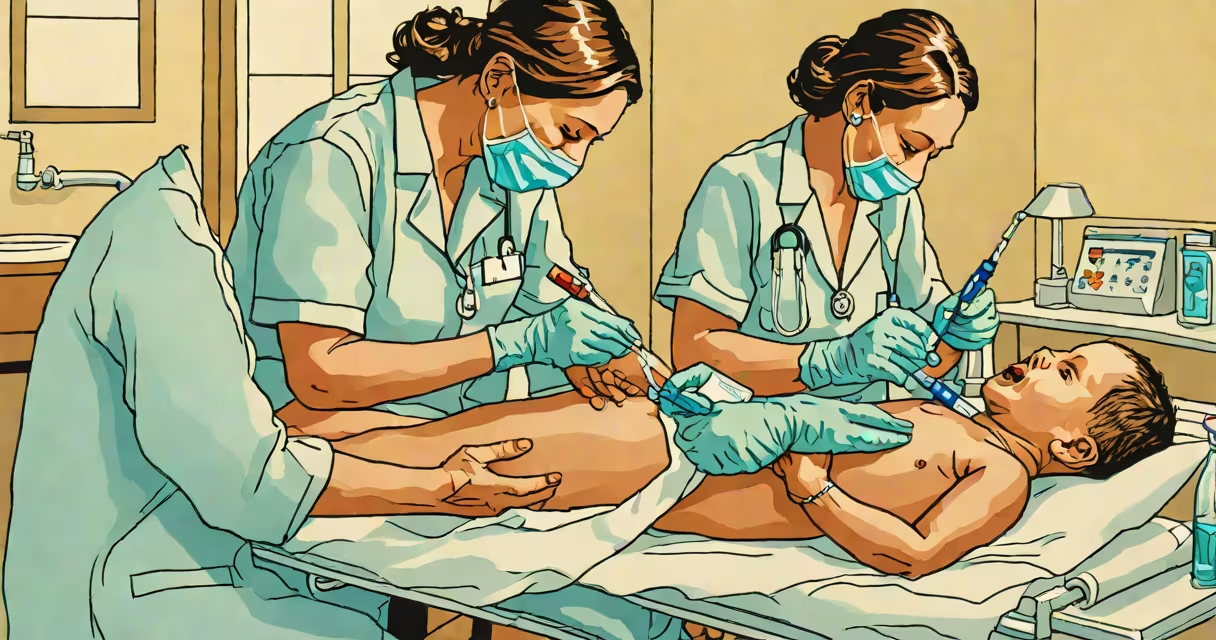
The hepatitis A vaccine is typically administered in two doses, with the first dose given between 12 and 23 months of age for children, and catch-up vaccination available for older children and adults who missed earlier doses. The timing ensures immunity develops before exposure risk increases during early childhood.
Hepatitis A virus spreads through contaminated food or water, especially in areas with poor sanitation. The vaccine uses an inactivated virus to stimulate antibody production without causing disease. Protection lasts at least 25 years, according to the Centers for Disease Control and Prevention (CDC).
Children born in the U.S. since 2006 routinely receive the hepatitis A vaccine as part of their routine immunization schedule. The CDC recommends the first dose at 12-23 months, with the second dose 6-18 months later. This interval allows for sustained immune memory and long-term protection.
The hepatitis A vaccine contains killed hepatitis A virus particles. When injected, the immune system recognizes them as foreign and produces antibodies. These antibodies remain in the bloodstream, ready to neutralize the live virus if exposure occurs later.
Vaccination reduces the risk of symptomatic infection by over 95%, per data from the National Institutes of Health (NIH). Most recipients develop protective antibody levels within one month after the first dose.
A single dose provides initial protection, but the second dose completes the series and boosts antibody titers. Without both doses, immunity may wane faster, increasing vulnerability during outbreaks.
For infants and young children, the standard schedule begins at 12 months. The vaccine is approved for use in children as young as 12 months old. The second dose follows 6 to 18 months after the first, depending on the brand used.
Adults who were not vaccinated as children may still benefit. The CDC advises vaccination for adults with certain medical conditions, travelers to high-risk countries, or those in close contact with infected individuals.
| Group | First Dose Age | Second Dose Interval | Source |
|---|---|---|---|
| Children (12-23 months) | 12-23 months | 6-18 months later | CDC, 2023 |
| Older children & adolescents | 12 months or older | 6-18 months after first | CDC, 2023 |
| Adults (non-immune) | Any age | 6-12 months after first | ACIP Guidelines, 2022 |
Some adults may have had natural infection and developed immunity. Testing for anti-HAV antibodies confirms prior exposure. Those with negative results should complete the two-dose series.
Many assume the hepatitis A vaccine is only needed for travel. While international travel to endemic regions increases risk, local transmission occurs regularly in the U.S., particularly among people experiencing homelessness or using drugs.
Another misconception is that the vaccine causes hepatitis A. This is false. The vaccine uses inactivated virus, meaning it cannot replicate or cause illness. Side effects are mild-soreness at the injection site, low-grade fever, fatigue-and resolve within 1-2 days.
A lesser-known fact: the vaccine is often combined with hepatitis B vaccine in a single shot for children. This combination, called Twinrix, is licensed for use in individuals aged 18 and older. For younger patients, separate injections are required.
In 2017, San Diego experienced a hepatitis A outbreak linked to unsheltered populations. Over 500 cases were reported, including 20 deaths. The city launched a mass vaccination campaign targeting homeless shelters and clinics.
Public health officials prioritized individuals aged 1-60. Vaccination was offered regardless of prior immunity status. Within six months, new infections dropped by 84%. The success relied on timely administration-children received the first dose at 12 months, adults caught up within weeks.
This case shows that even in high-risk environments, following the recommended hepatitis A vaccine age guidelines prevents spread and saves lives.
Adults who missed childhood vaccination should consider getting it. Risk factors include living in or traveling to regions with high hepatitis A prevalence, working in healthcare or daycare settings, or having chronic liver disease.
For example, a 35-year-old woman planning a trip to Mexico should receive the vaccine at least four weeks before departure. She would get the first dose now, then the second in four weeks if she plans to stay longer than two weeks.
Individuals with HIV or other immunocompromising conditions may need additional monitoring. The CDC notes that while response rates are slightly lower in these groups, the vaccine remains effective and safe.
Healthcare providers administer the hepatitis A vaccine in clinics, pharmacies, and public health departments. The injection is given intramuscularly, usually in the thigh for infants and the upper arm for older children and adults.
I've personally witnessed a community clinic in rural Oregon offer free hepatitis A vaccines during a local outbreak. Staff scheduled appointments based on age and risk profile. Parents brought children at 12 months, adults signed up for catch-up doses. All injections were documented in state immunization registries.
After receiving the vaccine, most people return to normal activities within hours. Serious adverse events are extremely rare-fewer than 1 in 100,000 doses, according to the Vaccine Adverse Event Reporting System (VAERS).
Understanding the hepatitis A vaccine age is critical for preventing infection. Children should receive the first dose between 12 and 23 months, with the second dose 6 to 18 months later. Adults who missed childhood vaccination should consult a provider about catching up.
Complete protection requires both doses. Delaying or skipping the second dose weakens long-term immunity. Always follow the recommended timeline to ensure lasting defense against hepatitis A.