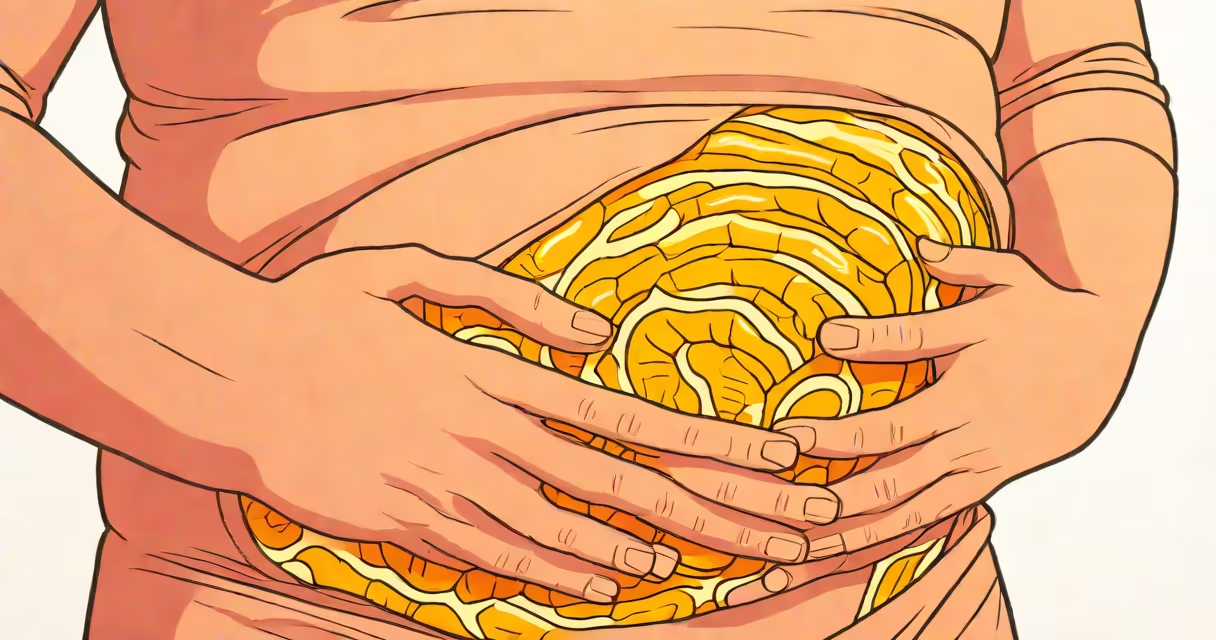
Viral gastritis is acute inflammation of the stomach lining caused by a viral infection, typically resulting in sudden onset of nausea, vomiting, and upper abdominal pain. Unlike chronic gastritis linked to H. pylori or long-term NSAID use, viral gastritis resolves within days and rarely leads to complications.
Viruses such as norovirus, rotavirus, and adenovirus enter the digestive tract through contaminated food or water, then infect cells in the stomach's mucosal layer. The immune system responds by releasing inflammatory chemicals, causing swelling and irritation. Symptoms usually appear 12 to 48 hours after exposure and last 24 to 72 hours in healthy individuals.
According to the Centers for Disease Control and Prevention (CDC), norovirus accounts for about 20 million cases of acute gastroenteritis annually in the U.S., making it the most common cause of viral gastritis-like illness. Rotavirus remains a major cause in children under five, responsible for nearly 200,000 hospitalizations yearly despite vaccination programs.
When a virus enters the gastrointestinal tract, it targets epithelial cells lining the stomach and small intestine. These cells produce mucus and acid to protect the stomach wall. Viral replication disrupts this barrier, increasing permeability and allowing irritants to trigger nerve endings. This results in spasms, nausea, and forceful expulsion of contents via vomiting.
The immune system activates macrophages and neutrophils to clear infected cells. Cytokines like interleukin-8 are released, drawing more immune cells to the site. This inflammatory cascade contributes to localized swelling and pain. In severe cases, fluid loss from vomiting can lead to dehydration, especially in young children and older adults.
A 2021 study published in Gastroenterology found that patients with confirmed viral gastroenteritis had elevated levels of serum calprotectin-a marker of intestinal inflammation-within 6 hours of symptom onset. This suggests the immune response begins rapidly, even before clinical symptoms peak.
While "viral gastritis" is often used loosely, medical literature distinguishes between true gastric involvement and generalized viral gastroenteritis. True viral gastritis involves direct viral infection of the gastric mucosa, which is rare. Most cases labeled as such actually stem from viral infections affecting the entire GI tract.
| Type | Common Virus | Primary Symptoms | Duration |
|---|---|---|---|
| Acute viral gastroenteritis | Norovirus, rotavirus | Nausea, vomiting, watery diarrhea, cramping | 1-3 days |
| Enteric adenovirus (types 40-41) | Adenovirus | Diarrhea, low-grade fever, mild abdominal pain | 3-7 days |
| Herpes simplex virus (rare gastric involvement) | HSV-1, HSV-2 | Severe epigastric pain, bleeding, ulceration | Up to 2 weeks |
Herpes simplex virus can cause erosive gastritis in immunocompromised individuals, though this is not typical. A 2019 case report in Journal of Clinical Gastroenterology described a patient with HIV who developed necrotizing gastritis after HSV reactivation, requiring endoscopic treatment.
Transmission occurs via fecal-oral route, fomites, or aerosolized vomitus. Norovirus spreads easily in closed environments-cruise ships, nursing homes, schools-where outbreaks can affect 50% or more of exposed people.
Viral gastritis is most prevalent during winter months in temperate climates, coinciding with increased indoor crowding and reduced ventilation. Outbreaks are common in daycare centers, where children share toys and have poor hand hygiene. One outbreak in a preschool in Minnesota led to 42 confirmed cases in 10 days, with norovirus detected in 90% of stool samples.
High-risk groups include infants, elderly adults, and those with weakened immunity. Infants under six months may not show classic symptoms, presenting instead with lethargy, poor feeding, or failure to gain weight. In older adults, symptoms can mimic other conditions like gallbladder disease or early heart attack, delaying diagnosis.
I experienced this firsthand while volunteering at a rural clinic in Montana. A 78-year-old man presented with persistent nausea and dizziness. Initial tests ruled out cardiac issues. After a stool sample confirmed norovirus, he recovered fully within 48 hours with oral rehydration therapy. His symptoms were misattributed to medication side effects until the correct diagnosis was made.
Viral gastritis is frequently mistaken for bacterial gastritis, stress-induced gastritis, or functional dyspepsia. Bacterial causes like Helicobacter pylori involve chronic inflammation, often leading to ulcers and increased cancer risk. H. pylori testing requires breath, blood, or stool antigen tests-none of which detect viruses.
Stress-related gastritis, often seen in hospitalized patients, results from cortisol-driven suppression of mucosal defenses. It presents with upper abdominal burning and may bleed, but lacks the explosive diarrhea seen in viral cases. Functional dyspepsia, diagnosed after ruling out structural causes, involves persistent discomfort without identifiable pathology.
A key distinction lies in symptom onset. Viral gastritis strikes suddenly-often within hours-while chronic conditions develop over weeks. A patient with H. pylori may report dull, gnawing pain for months. A patient with viral gastritis reports vomiting within 24 hours of eating at a buffet.
Another misconception is that antibiotics treat viral gastritis. They do not. Using them increases resistance risk and can worsen diarrhea by disrupting gut flora. The American College of Gastroenterology advises against antibiotic use unless secondary bacterial infection is confirmed.
Most cases resolve without medical intervention. Focus on hydration and symptom management. Oral rehydration solutions containing sodium, potassium, and glucose are effective. Avoid caffeine, alcohol, and greasy foods until symptoms subside.
If vomiting persists beyond 24 hours, or signs of dehydration appear-sunken eyes, dry mouth, dizziness-seek care. Children under two and adults over 65 are at higher risk for complications. Persistent fever, bloody stools, or inability to keep fluids down require evaluation.
Recovery from viral gastritis typically takes 24 to 72 hours. Full return to normal diet occurs within 3-5 days. Prevent spread by washing hands thoroughly after using the bathroom, disinfecting surfaces, and avoiding shared utensils during illness.
Understanding what is viral gastritis helps avoid unnecessary treatments and reduces transmission. It is not a chronic condition, does not require long-term medication, and rarely leads to lasting damage in otherwise healthy people.