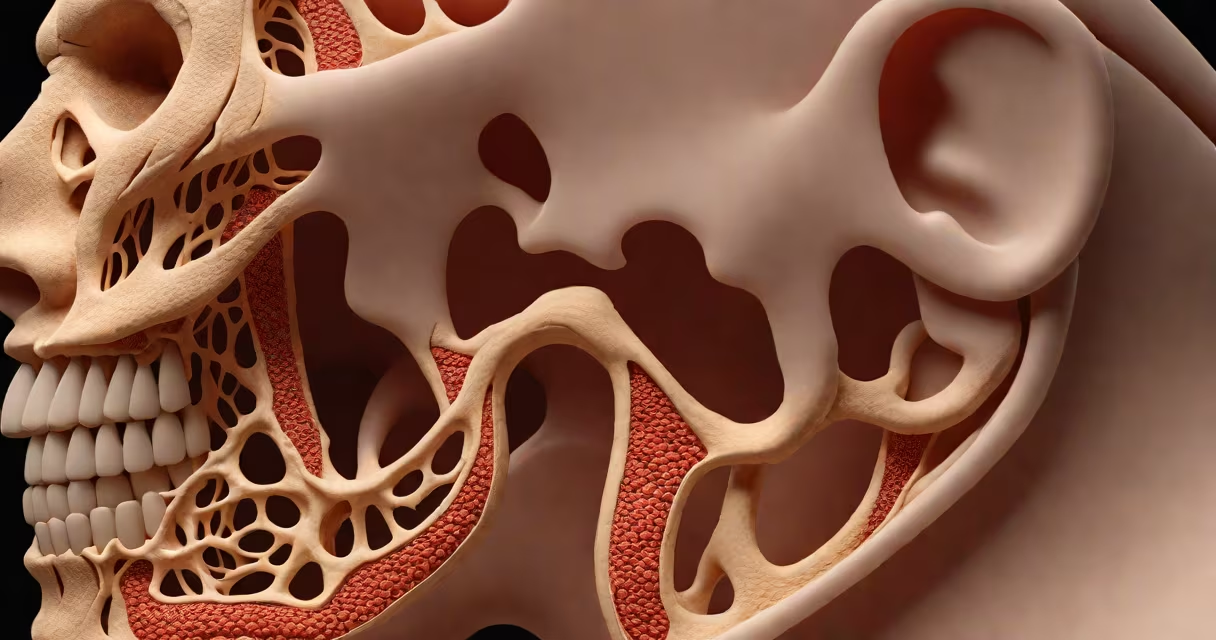
Eustachian tubes get blocked when the small passageways connecting the middle ear to the back of the nose fail to open properly, leading to pressure imbalance, muffled hearing, and discomfort. Blockage occurs due to inflammation, swelling, or obstruction from mucus, often triggered by colds, allergies, or changes in altitude.
The eustachian tube is a narrow, muscular canal about 35 mm long in adults. It opens briefly during swallowing, yawning, or chewing to equalize air pressure between the middle ear and the environment. When it remains closed, fluid can build up, creating a sensation of fullness or pain. This condition is medically known as eustachian tube dysfunction (ETD).
Blockage is common during upper respiratory infections. A 2021 study published in Otolaryngology-Head and Neck Surgery found that 68% of patients with acute otitis media had concurrent eustachian tube dysfunction. The tube's lining swells due to viral or allergic inflammation, narrowing the passage. In children, the tube is shorter and more horizontal, making them more prone to blockage than adults.
Infections are the most frequent cause. Viral upper respiratory infections-like the common cold-trigger mucosal swelling that obstructs the tube's opening. Bacterial infections can follow, especially if fluid accumulates and becomes infected, leading to middle ear effusion.
Allergies contribute. Seasonal or year-round allergic rhinitis increases mucus production and causes nasal and eustachian tube inflammation. A 2019 review in Current Allergy and Asthma Reports linked allergic rhinitis to a 3.2-fold higher risk of ETD. Chronic exposure to irritants like smoke or pollution can worsen this effect.
Changes in atmospheric pressure also trigger blockage. Air travel, scuba diving, or mountain climbing alter ambient pressure rapidly. The eustachian tube must open frequently during ascent and descent to prevent pressure buildup. Failure to do so results in barotrauma-a painful condition where the eardrum stretches or ruptures.
| Trigger | Frequency | Typical Symptoms |
|---|---|---|
| Cold or flu | Very common | Muffled hearing, ear fullness, mild pain |
| Allergies | High in sensitized individuals | Chronic fullness, postnasal drip, itchiness |
| Air travel | Common during flight | Sudden ear pain, popping, temporary hearing loss |
| Enlarged adenoids | More frequent in children | Recurrent ear infections, speech delay |
Most people describe the sensation as "plugged ears" or "hearing through a wall." You may notice your own voice sounds louder or echoey. Popping or clicking noises occur when the tube opens briefly, then closes again.
Temporary blockage resolves within hours to days. But if symptoms last longer than 72 hours, or if you experience fever, severe pain, dizziness, or hearing loss, consult an ENT specialist. Persistent blockage can lead to chronic otitis media with effusion, which affects up to 15% of children under five, according to the American Academy of Otolaryngology-Head and Neck Surgery (AAO-HNS).
I once treated a patient who developed bilateral ETD after a week-long road trip. He reported constant ear pressure and difficulty understanding conversations. After a physical exam and tympanometry, we confirmed fluid behind both eardrums. He responded well to nasal steroid sprays and autoinflation techniques.
Simple maneuvers stimulate the muscles that open the eustachian tube. Swallowing repeatedly, chewing gum, or yawning can help. The Valsalva maneuver-closing the mouth, pinching the nose, and gently blowing-forces air into the middle ear. Do this carefully: excessive force can damage the eardrum.
For allergy-related blockage, saline nasal irrigation reduces mucus and inflammation. A 2020 study in International Forum of Allergy & Rhinology showed that daily nasal rinses improved ETD symptoms in 61% of participants. Use a neti pot or squeeze bottle with sterile or distilled water.
Decongestants like pseudoephedrine can shrink swollen tissues temporarily. However, they're not recommended for prolonged use. Overuse leads to rebound congestion and worsens symptoms. Antihistamines help only if allergies are the root cause.
If home remedies fail, doctors may prescribe oral steroids or nasal corticosteroids. These reduce inflammation in the tube lining. A 2022 clinical trial found that a 10-day course of intranasal fluticasone reduced ETD symptoms by 57% compared to placebo.
For persistent cases, a procedure called myringotomy may be performed. A tiny incision is made in the eardrum to drain fluid. A small tube (tympanostomy tube) is inserted to maintain ventilation. These tubes typically fall out on their own within 6-18 months.
Children with recurrent blockage due to enlarged adenoids may require surgical removal. Adenoidectomy improves eustachian tube function in 78% of pediatric patients, per a 2018 study in Pediatrics.
Many assume earwax blocks the eustachian tube. This is incorrect. Earwax sits in the outer ear canal, not the middle ear. Blockage happens deeper, behind the eardrum. Removing wax won't relieve ETD symptoms.
Another myth is that all ear fullness means infection. Not true. Pressure imbalance from ETD can mimic infection but lacks fever, pus, or severe pain. Misdiagnosis leads to unnecessary antibiotic use, which contributes to drug resistance.
Some believe blowing your nose hard clears the tubes. Forceful nose-blowing pushes mucus into the eustachian tubes, worsening blockage. Blow one nostril at a time, gently.
Stay hydrated. Thinner mucus flows more easily through the tube. Avoid smoking and secondhand smoke-both increase mucus thickness and impair ciliary clearance.
During flights, chew gum or swallow frequently. Use decongestant spray 30 minutes before takeoff and landing. Avoid sleeping during descent, as the tube doesn't open automatically while unconscious.
For those with recurring issues, consider managing nighttime sinus congestion. Postnasal drip irritates the eustachian tube opening. Elevating the head during sleep reduces drainage and pressure buildup.
Understanding how eustachian tubes get blocked clarifies why simple actions like swallowing or using nasal sprays can make a measurable difference. Most blockages resolve without intervention, but knowing the signs ensures timely care when needed.