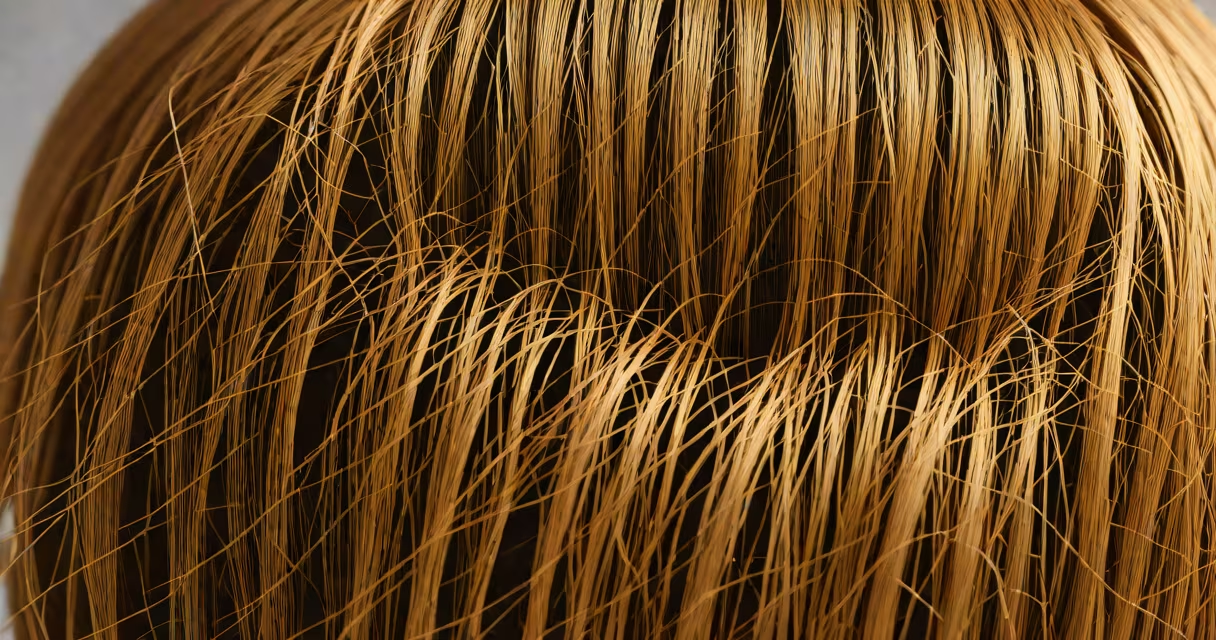
Thinning hair results from a mix of genetics, hormones, stress, and poor nutrition. Preventing it requires targeted actions: maintaining scalp health, adjusting diet, using clinically proven topical treatments, and avoiding damaging habits like tight hairstyles or excessive heat styling.
Thinning occurs when hair follicles shrink over time, producing finer, shorter strands until they stop growing altogether. This process is most often driven by dihydrotestosterone (DHT), a hormone derivative linked to androgenetic alopecia-the most common form of hair loss. The condition affects about 50% of men and 30% of women by age 50, according to the American Academy of Dermatology.
Early intervention slows progression. A 2021 study published in the Journal of Clinical and Aesthetic Dermatology showed that consistent use of minoxidil reduced visible thinning in 68% of participants after 12 months. Starting preventive measures before noticeable shedding begins increases long-term success rates.
Hair growth follows a cycle: anagen (growth), catagen (transition), telogen (rest), and exogen (shedding). Normally, 85-90% of scalp hairs are in the anagen phase. When this balance shifts-due to hormonal changes, illness, or nutrient deficiencies-more follicles enter resting and shedding phases prematurely.
Androgenetic alopecia involves DHT binding to receptors in follicles, shortening the anagen phase and shrinking the follicle size. Over time, this leads to miniaturization: hair becomes progressively thinner and lighter until it stops emerging. The pattern typically starts at the temples and crown in men, and diffuse thinning across the scalp in women.
Other causes include telogen effluvium (stress-induced shedding), autoimmune conditions like alopecia areata, and nutritional deficiencies such as low iron, vitamin D, or biotin. These are reversible with proper diagnosis and treatment.
Topical treatments approved by the FDA include minoxidil (5% solution or foam) and finasteride (oral prescription). Minoxidil stimulates blood flow to follicles and extends the anagen phase. Finasteride inhibits 5-alpha-reductase, reducing DHT production. Both require continuous use-stopping leads to reversal of benefits within 3-6 months.
Diet plays a key role. A 2020 review in Nutrients found that diets rich in omega-3 fatty acids, zinc, iron, and B vitamins support follicular function. Low serum ferritin levels (<30 ng/mL) correlate strongly with increased hair shedding. Supplementation under medical supervision can reverse deficiency-related thinning.
Scalp care matters too. Harsh shampoos with sulfates strip natural oils and disrupt the microbiome. A 2022 study in the International Journal of Trichology showed that daily washing with sulfate-free cleansers improved hair density over six months compared to conventional products.
| Method | Effectiveness (Clinical Evidence) | Time to Noticeable Change |
|---|---|---|
| Minoxidil 5% foam | 68% show improvement at 12 months (J Clin Aesthet Dermatol) | 3-6 months |
| Finasteride 1 mg daily | 50% reduction in hair loss progression (NEJM study) | 6-9 months |
| Zinc supplementation (deficient individuals) | Improved hair count in 70% of patients (Dermatol Ther) | 3-4 months |
| Sulfate-free shampoo routine | Increased hair density in 45% of users (Int J Trichol) | 6 months |
Many assume hair thinning is inevitable with age. While genetics play a major role, early intervention can delay onset and reduce severity. A 2019 study in the British Journal of Dermatology found that people who began minoxidil use before age 30 had better outcomes than those starting later.
Some believe frequent washing causes thinning. The opposite is true-accumulated sebum and debris clog follicles, impairing growth. Washing every 2-3 days with a mild cleanser supports scalp hygiene without stripping essential oils.
Another error is relying solely on supplements. While biotin may help those with documented deficiency, taking high doses offers no benefit and can interfere with lab tests. The National Institutes of Health states that biotin supplements do not improve hair thickness in people with normal levels.
I noticed my part widening at 21. My dermatologist confirmed early-stage androgenetic alopecia via dermoscopy. I started using 5% minoxidil twice daily and switched to a sulfate-free shampoo. After nine months, my hairline stabilized, and new vellus hairs emerged around the temples. I've maintained this routine for two years with no further thinning.
This outcome aligns with clinical data: early treatment yields better preservation of existing follicles. Waiting until thinning is severe reduces the chance of regrowth.
If you're losing more than 100 hairs per day consistently, or notice patches of baldness, consult a dermatologist. Blood tests for iron, ferritin, vitamin D, thyroid function, and testosterone levels help identify treatable causes.
Conditions like scalp psoriasis or seborrheic dermatitis can mimic thinning. They cause flaking and inflammation that damage follicles. Treating the underlying skin issue often restores hair growth.
Preventing hair thinning isn't about quick fixes. It's about consistent, evidence-based choices: protect your scalp, eat for follicle health, avoid trauma, and act early. How to avoid thinning of hair starts with recognizing it's preventable-not just manageable.