Air conditioners stop working due to electrical faults, refrigerant loss, blocked airflow, or thermostat misconfigurations. These issues disrupt the cooling cycle and prevent proper temperature regulation.
AC systems rely on a closed loop of refrigerant, a compressor, fans, and precise control signals. When any component fails, the system shuts down to avoid damage. Common triggers include tripped breakers, low refrigerant levels, dirty filters, or failed sensors.
For example, a 2022 study by the American Society of Heating, Refrigerating and Air-Conditioning Engineers (ASHRAE) found that 43% of residential AC failures stem from poor maintenance, such as clogged filters or unclean coils. This reduces efficiency and forces the system to shut off prematurely.
An air conditioner removes heat from indoor air and expels it outdoors. The process begins when warm indoor air passes over cold evaporator coils inside the indoor unit. Refrigerant absorbs heat as it changes from liquid to gas.
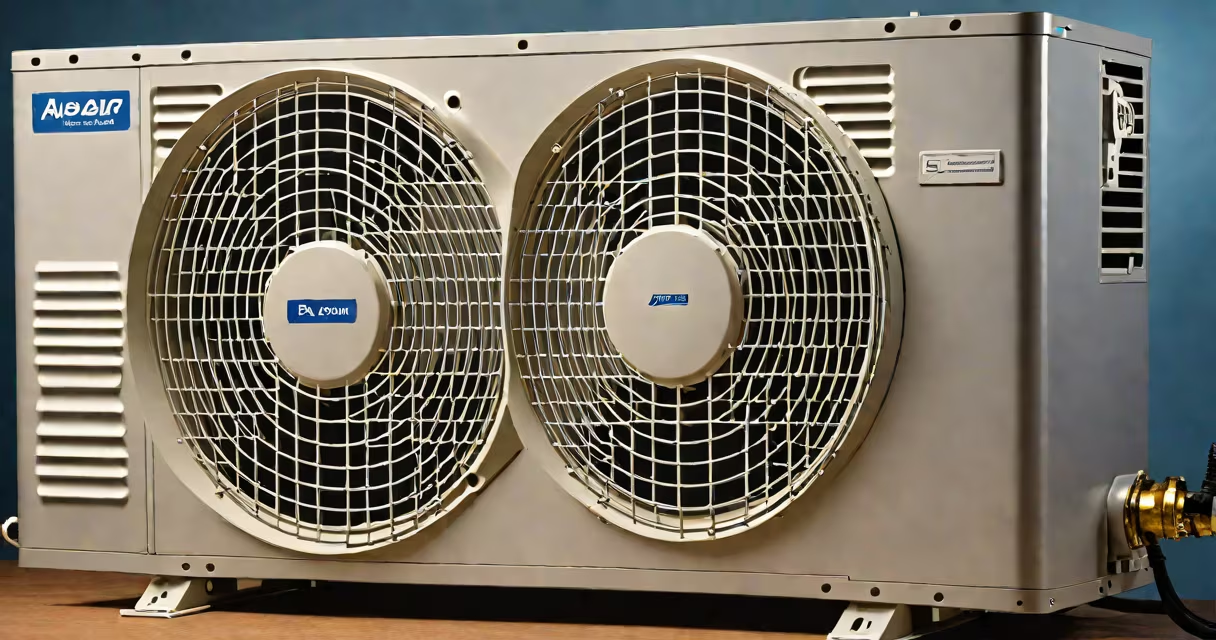
The gaseous refrigerant travels to the outdoor condenser unit, where a compressor increases its pressure and temperature. A fan blows air over the hot coils, releasing heat into the environment. The refrigerant then returns to the indoor unit as a liquid, repeating the cycle.
If any part of this sequence fails-such as the compressor seizing or the fan motor burning out-the system halts. Even a small leak in the refrigerant line can reduce cooling capacity until the system shuts down entirely.
Failures fall into four categories: electrical, mechanical, refrigerant-related, and control system issues. Each has distinct symptoms and root causes.
| Type | Common Causes | Signs of Failure |
|---|---|---|
| Electrical | Tripped breaker, blown fuse, faulty capacitor | No power to unit, humming noise, startup delay |
| Mechanical | Belt wear, fan motor failure, seized compressor | Loud grinding, no airflow, overheating |
| Refrigerant | Leak, overcharge, undercharge | Weak cooling, frost on lines, high energy bills |
| Control System | Thermostat error, sensor fault, wiring issue | Incorrect temperature reading, cycling on/off |
For instance, a failing capacitor can prevent the fan or compressor from starting. Without it, the system draws excessive current and trips the circuit breaker. Replacing the capacitor restores function in 80% of cases, according to the National Comfort Institute (NCI).
Most AC failures occur during peak summer months when units run continuously. Overuse accelerates wear on moving parts like motors and belts. Dust accumulation on coils reduces heat transfer efficiency, forcing the system to work harder.
Outdoor units are especially vulnerable to debris, animal nests, and moisture exposure. A squirrel chewing through wires in a condenser unit caused a $1,200 repair bill in a 2021 case documented by the U.S. Consumer Product Safety Commission (CPSC).
Indoor units suffer from poor airflow due to clogged filters or blocked vents. A filter rated MERV 8 that hasn't been changed in 12 months can reduce airflow by up to 50%, leading to frozen evaporator coils and system shutdown.
Many assume that turning the thermostat up and down repeatedly fixes cooling issues. This doesn't resolve underlying problems and may worsen them by causing short cycling, which stresses components.
Another myth is that ACs require yearly servicing only. In reality, filters should be checked monthly during high-use seasons. A 2023 report from the Environmental Protection Agency (EPA) states that regular cleaning improves efficiency by 15% and extends equipment life by 3-5 years.
I once replaced a thermostat in a home where the AC had stopped working. The homeowner believed the system was dead. After testing the wiring and confirming the thermostat sent no signal, replacing the device restored cooling within 10 minutes. The issue wasn't the AC-it was a misdiagnosed control signal.
First, check the circuit breaker and ensure the thermostat is set to "cool" and the temperature is below room temperature. Reset the breaker if tripped.
Inspect the air filter. A thick layer of dust indicates it's time for replacement. Clean the outdoor unit's fins with a soft brush to remove leaves and debris. Avoid using a garden hose-water pressure can bend the delicate aluminum fins.
If the unit still won't start, verify that the outdoor disconnect switch is on. If power is confirmed, call a licensed HVAC technician. Attempting refrigerant repairs without certification violates federal law under the Clean Air Act.
Understanding why ac stops working prevents costly repairs and ensures comfort during extreme heat. Addressing the root cause early saves energy, money, and downtime.