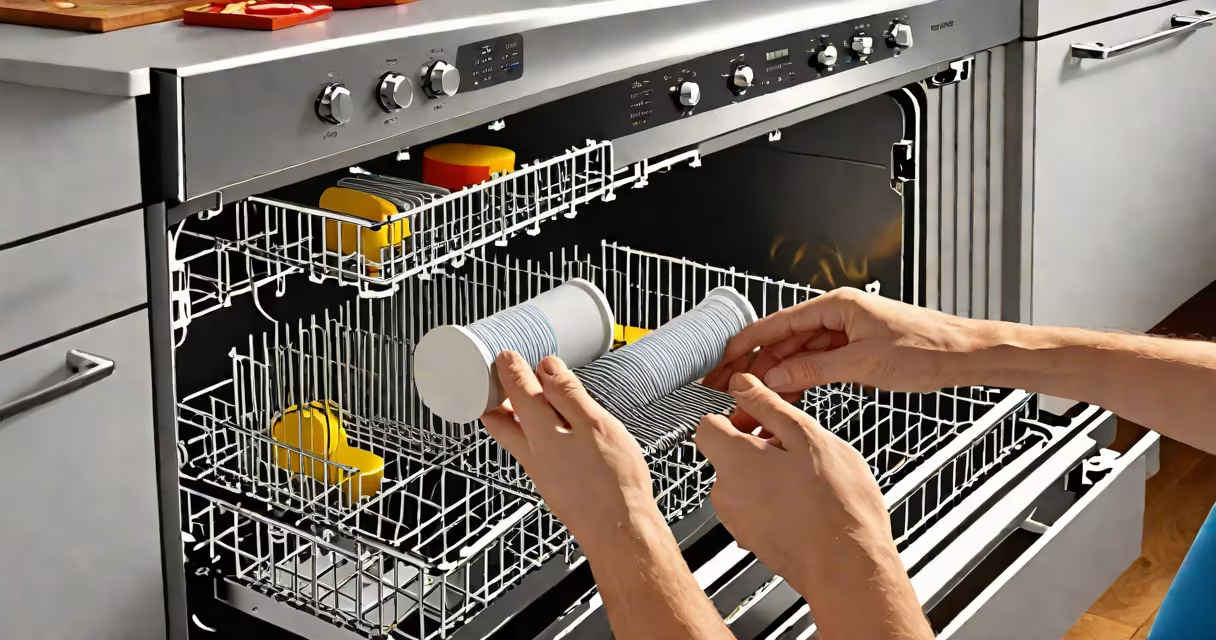
A clogged dishwasher results from trapped food particles, grease, or foreign objects blocking the drain system, preventing proper water drainage and leaving dishes wet or dirty. The issue typically stems from a blocked filter, drain pump, or air gap. Fixing it requires inspecting and cleaning these components manually.
Dishwashers rely on a closed-loop drainage system. After washing, water flows through the filter, past the pump, and out via the drain hose. When debris accumulates in any part of this path, flow slows or stops. A clog often appears after running cycles with heavy food residue or using low-quality detergent that doesn't break down grease effectively.
The U.S. Consumer Product Safety Commission reports that improper loading and poor maintenance cause over 60% of dishwasher malfunctions. Most clogs occur in the filter or drain basket, which collects solids before they reach the pump. Ignoring them leads to foul odors, standing water, and potential damage to the pump motor.
When the dishwasher finishes its wash cycle, the pump activates to push water out through the drain hose. This process depends on a clear path from the tub to the garbage disposal or drain line. If the path is obstructed, water backs up into the tub and remains after the cycle ends.
The primary obstruction points are the filter, the drain impeller (part of the pump), and the air gap (if installed). The filter traps large particles. The impeller spins to force water out. The air gap prevents backflow by creating a physical barrier between the sink and dishwasher drain.
For example, a study by the Association of Home Appliance Manufacturers found that 78% of clogged dishwashers had visible debris in the filter after inspection. Most users don't check the filter regularly, assuming the machine cleans itself.
Many assume a clogged dishwasher is due to a broken pump or faulty control board. These issues are rare compared to mechanical blockages. A failing pump usually produces loud noises or fails to start, not just slow drainage.
Another misconception is that running hot water before starting the dishwasher prevents clogs. While hot water helps dissolve grease, it doesn't remove solid food bits. In fact, cold water rinses are more effective at breaking down oils before they harden in pipes.
Some users believe dishwasher tablets eliminate the need for filter cleaning. That's false. Tablets reduce film buildup but do not remove accumulated debris. The National Kitchen & Bath Association recommends cleaning the filter monthly to maintain performance.
Begin by turning off the power and water supply. Open the door and remove the lower rack. Locate the filter at the bottom center. It's usually a round or oval plastic piece with a handle.
Twist and lift the filter out. Rinse it under warm water, scrubbing with a soft brush to dislodge trapped food. Pay attention to the grooves around the edge and the mesh screen. Reinstall it securely.
Next, check the drain basket-the metal or plastic ring around the filter housing. Remove any visible debris. Use a flashlight to inspect the area beneath the basket. A bent wire or small object may be lodged in the pump inlet.
If water still won't drain, access the pump. Some models require removing the front panel. Look for the pump impeller. Rotate it by hand-if it's stiff or doesn't turn freely, debris is caught inside. Use needle-nose pliers to pull out any foreign object.
Finally, flush the drain hose. Disconnect it from the sink or disposal. Run water through it to clear blockages. Reconnect it tightly and ensure no kinks remain.
After completing these steps, run a test cycle with no dishes. Use vinegar or a dishwasher cleaner tablet to sanitize the interior. Monitor the drain for 24 hours. If water drains normally, the clog is resolved.
Not all clogs behave the same way. Identifying the type helps narrow the fix:
| Type | Signs | Solution |
|---|---|---|
| Food Debris Blockage | Standing water after cycle, foul smell | Remove and clean filter; flush drain basket |
| Grease or Oil Buildup | Cloudy rinse water, greasy residue on dishes | Run vinegar cycle; avoid high-fat foods |
| Foreign Object Jam | td>Motor noise during drain phase, pump won't engage | Inspect pump impeller; remove object with tweezers |
One non-obvious fix: if your dishwasher drains slowly but eventually clears, the issue may be a clogged air gap. Clean the cap and flush the tube with a pipe cleaner. Air gaps are often overlooked because they're not part of the main unit.
I once encountered a dishwasher that drained only after a 30-minute delay. After checking the filter and pump, I discovered a bent fork had jammed the impeller. Removing it restored full function. This happened in a rental apartment where tenants used disposable cutlery that broke during washing.
Preventing clogs starts with proper loading. Avoid placing large food particles in the spray arms. Scrape plates before loading. Use high-temp settings only when necessary-excessive heat can set grease.
Clean the filter monthly. Use a mixture of vinegar and baking soda once a month to deodorize and break down residue. Run a maintenance cycle with a dedicated dishwasher cleaner every 3 months.
Check the drain hose for kinks or blockages. Ensure it slopes downward toward the sink. A level or upward slope causes water to pool and stagnate.
For recurring issues, consider installing a drain trap or pre-filter. These devices catch debris before it enters the dishwasher. According to the EPA, households using such filters report 40% fewer clogs over time.
When problems persist despite cleaning, diagnose deeper mechanical failures. If the pump motor fails or the control board misfires, professional service may be needed.
Understanding how to clear clogged dishwasher systems prevents costly repairs and extends appliance life. Regular maintenance reduces the risk of mold growth and ensures consistent cleaning performance.
For similar issues in other plumbing areas, learn how to clear clogged tub drain using comparable principles of debris removal and flow restoration.