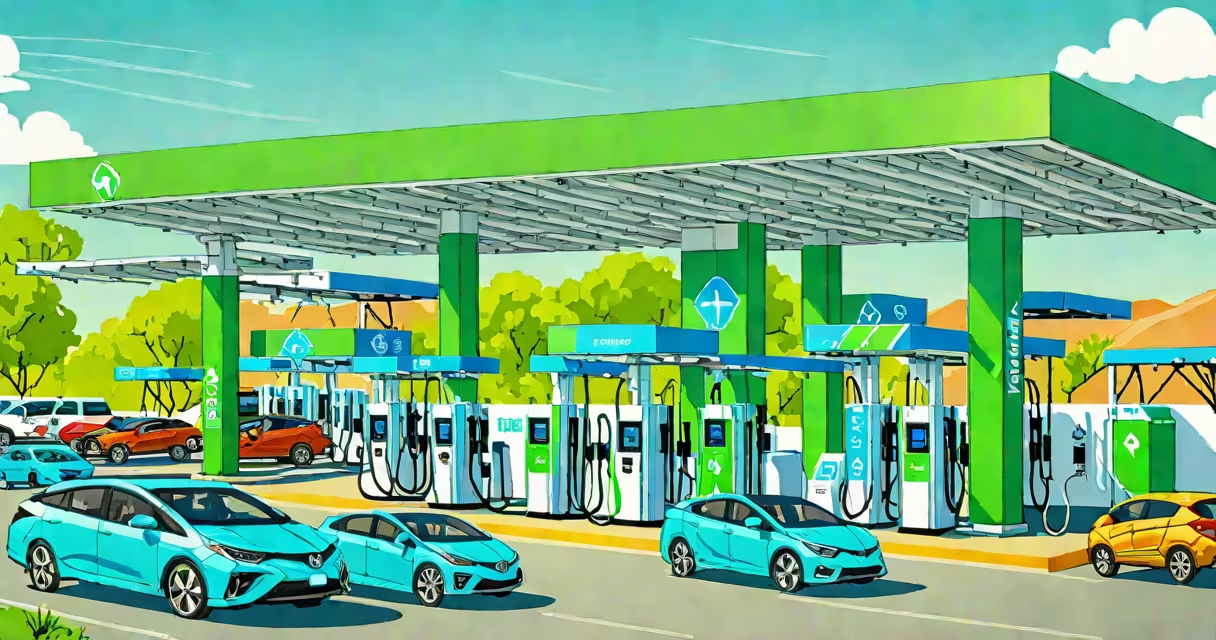
A hydrogen stocks list identifies publicly traded companies involved in producing, distributing, or using hydrogen as a clean energy carrier, particularly green hydrogen generated via electrolysis powered by renewables. These firms span fuel cell manufacturers, hydrogen infrastructure developers, and industrial gas producers transitioning toward low-carbon methods.
Green hydrogen-produced using renewable electricity to split water into hydrogen and oxygen-is central to decarbonizing heavy industry, long-haul transport, and seasonal energy storage. The global push for net-zero emissions has elevated hydrogen from niche research to a strategic energy vector. According to the International Energy Agency (IEA), hydrogen could supply 18% of global energy demand by 2050 under a sustainable development scenario.
Investors tracking a hydrogen stocks list focus on firms with tangible projects, proven technology, and access to capital. Not all hydrogen-related equities are equal: some are pure-play startups with unproven revenue models, while others are established industrial giants expanding into hydrogen as part of broader sustainability strategies.
Public companies in the hydrogen space generate value through three primary channels: hydrogen production, distribution and storage, and end-use applications. Producers use electrolyzers to convert water and renewable power into hydrogen gas. Distributors build pipelines, liquid transport systems, or truck-based delivery networks. End-users include automakers deploying hydrogen fuel cell vehicles, steelmakers replacing coal in blast furnaces, and utilities storing surplus wind and solar energy as hydrogen.
Revenue streams vary. Some firms sell hydrogen as a commodity-like Linde plc or Air Liquide-supplying refineries and chemical plants. Others operate under long-term contracts with governments or corporations to deliver hydrogen for industrial processes. Fuel cell vehicle makers such as Toyota Motor Corporation and Nikola Corporation rely on hydrogen infrastructure partnerships to support fleet deployment.
Market performance reflects both technological progress and policy tailwinds. The U.S. Inflation Reduction Act (IRA) allocates $9 billion in tax credits for clean hydrogen production, creating a direct financial incentive for domestic investment. This legislation has driven a 60% increase in hydrogen project announcements since 2022, according to the U.S. Department of Energy's Hydrogen Shot initiative.
The following table outlines key categories within a hydrogen stocks list, with representative firms and their core activities:
| Type | Examples | Primary Activity | Key Metric |
|---|---|---|---|
| Electrolyzer Manufacturers | Plug Power (PLUG), ITM Power (LSE: ITM) | Design and scale production of proton exchange membrane (PEM) and alkaline electrolyzers | System capacity (MW/year) |
| Hydrogen Infrastructure Developers | TC Energy (TCE), Air Liquide (AL) | Build hydrogen pipeline networks and refueling stations | Number of stations or km of pipeline planned |
| Industrial Gas Producers (Transitioning) | Linde plc (LIN), Praxair (now part of Linde) | Produce hydrogen via steam methane reforming, now adding green hydrogen capacity | Percentage of green hydrogen in portfolio |
| Fuel Cell Vehicle & Truck Makers | Toyota (TM), Nikola (NKLA) | Manufacture hydrogen-powered passenger cars and heavy-duty trucks | Units sold or fleet contracts signed |
Many large-cap industrial gas companies are not pure-play hydrogen firms. Linde plc, for example, generates over 90% of its hydrogen output from fossil fuels but is investing heavily in green hydrogen projects-such as a 100 MW electrolyzer plant in Germany-to meet EU Green Deal targets. Investors must distinguish between companies with existing green hydrogen capacity versus those with long-term plans.
One widespread error is assuming all hydrogen is "green." Most hydrogen today-over 95%, per IEA data-is gray hydrogen, produced from natural gas via steam methane reforming. This process emits carbon dioxide unless paired with carbon capture. Blue hydrogen, which captures CO₂ from reforming, still relies on fossil fuels. True green hydrogen requires renewable electricity and electrolysis.
Another misconception is equating hydrogen stocks with high volatility or speculative risk. While early-stage firms like Plug Power have seen sharp price swings, larger industrial players such as Air Liquide and Linde offer stable dividend yields and consistent earnings. In 2023, Linde reported €2.4 billion in adjusted EBITDA, with 12% growth in its renewable hydrogen segment.
A lesser-known fact: hydrogen is not a primary energy source. It's an energy carrier. Like electricity, it must be produced from another source. Its value lies in flexibility-storing excess renewable energy, enabling long-distance transport, and powering high-temperature industrial processes where batteries fall short.
In 2022, Plug Power secured a $100 million contract from New York State to deploy hydrogen fuel cell systems in public transit buses and freight trucks across the Hudson Valley. The project uses 100% green hydrogen produced at a 10 MW electrolyzer facility powered by nearby wind farms.
Plug Power's stock rose 22% in six months following the announcement. The company operates a network of hydrogen refueling stations and supplies fuel cells to logistics operators like Walmart and Amazon. In Q3 2023, Plug Power delivered 1,800 fuel cell units and expanded its infrastructure footprint to 45 locations in North America.
This case illustrates how a hydrogen stocks list isn't just about future potential-it includes firms with deployed assets, contracted revenue, and measurable environmental impact. The success of such projects hinges on policy support, infrastructure investment, and private-sector collaboration.
For investors seeking up-to-date, curated hydrogen stocks lists, financial platforms like Bloomberg, Refinitiv, and S&P Global offer screening tools based on ESG criteria, hydrogen exposure percentages, and R&D spend. The U.S. Department of Energy maintains a public database of hydrogen projects, including company involvement and funding status.
Some firms appear on multiple lists due to diversified operations. For example, Tesla Inc. (TSLA) is not typically included in hydrogen stocks lists because its focus remains on battery-electric vehicles and energy storage. However, companies like Cummins Inc. (CMI)-which produces diesel engines and now offers hydrogen fuel cell systems for commercial fleets-are increasingly relevant.
When building a portfolio, consider diversification across the hydrogen value chain. A balanced approach might include a mix of electrolyzer makers, infrastructure developers, and industrial users. Avoid overconcentration in single-stage firms without clear paths to profitability.
As the global energy transition accelerates, a well-researched hydrogen stocks list becomes a practical tool for identifying firms positioned at the intersection of climate goals and economic opportunity. Focus on companies with demonstrable projects, transparent reporting, and alignment with international decarbonization frameworks.