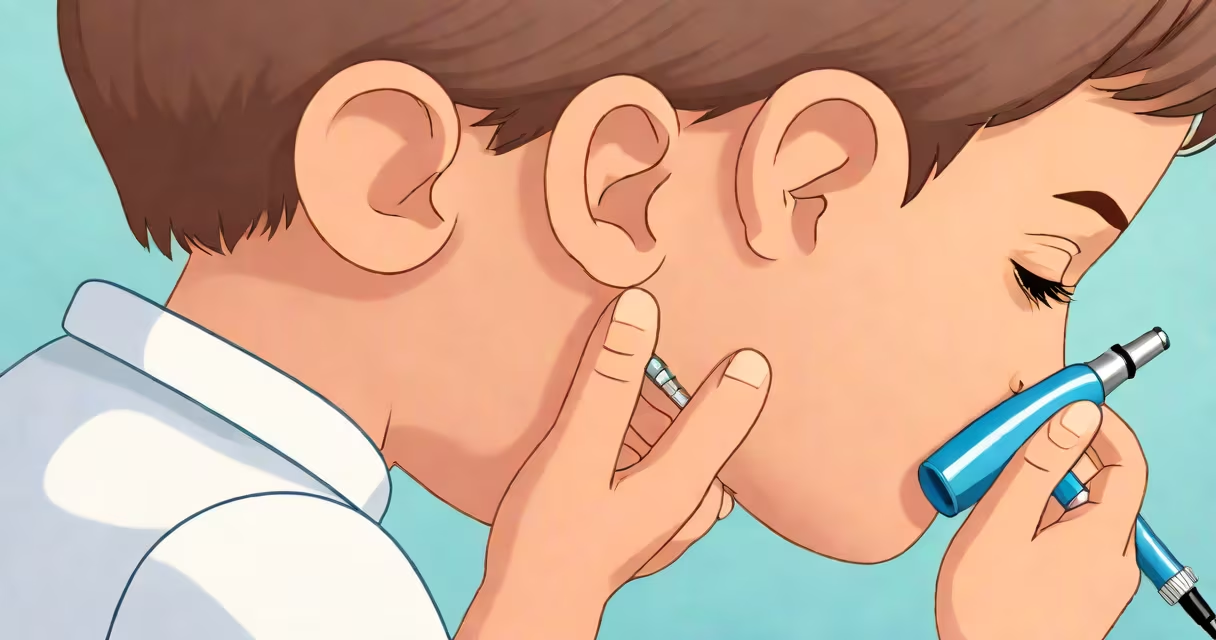
An ear infection is a painful condition caused by inflammation or fluid buildup in the middle ear, often due to a viral or bacterial infection. It commonly affects children but can occur in adults. Symptoms such as ear pain, fever, hearing loss, and ear drainage help identify it.
Ear infections develop when the Eustachian tube-connecting the middle ear to the back of the throat-fails to drain fluid properly. This creates a breeding ground for bacteria or viruses. The most common type is otitis media, which accounts for over 75% of pediatric ear infections, according to the American Academy of Pediatrics (AAP).
Not all ear discomfort stems from infection. Conditions like swimmer's ear (otitis externa) affect the outer ear canal and require different treatment. Misdiagnosis happens in up to 30% of cases when symptoms overlap, especially in young children who cannot verbalize pain.
Pain behind the ear or deep in the ear canal is the most frequent symptom. In children, this may appear as pulling at the ear, irritability, or difficulty sleeping. Adults often report a dull, throbbing ache that worsens when lying down.
Fever above 100.4°F (38°C) occurs in about 40% of cases in children under five, per the Centers for Disease Control and Prevention (CDC). Hearing changes-like muffled sounds or temporary hearing loss-are common during active infection. Some people describe a "plugged" feeling, similar to being underwater.
Fluid drainage from the ear is a red flag. Clear or yellowish discharge suggests infection. Blood-tinged fluid may indicate a ruptured eardrum, which requires medical evaluation. A study in *Pediatrics* found that 15% of children with acute otitis media experienced spontaneous eardrum rupture.
Doctors confirm ear infections using an otoscope-a handheld device with a light and magnifying lens. They look for a bulging, red, or cloudy eardrum. A pneumatic otoscope adds pressure to test eardrum movement; lack of motion indicates fluid buildup.
For persistent or recurrent infections, audiometry testing may assess hearing loss. Imaging like CT scans is rarely needed but used if complications like mastoiditis are suspected. The AAP recommends observation for up to 72 hours in children aged 6 months to 2 years with mild symptoms, unless high risk factors exist.
One overlooked sign is balance issues. Inner ear involvement can cause dizziness or vertigo. This occurs in about 5% of adult cases, often mistaken for migraines or vestibular neuritis. If dizziness lasts more than 24 hours, consult a specialist.
There are three main types: otitis media (middle ear), otitis externa (outer ear), and otitis interna (inner ear). Each differs in location, cause, and treatment.
| Type | Location | Primary Cause | Distinctive Symptom |
|---|---|---|---|
| Otitis media | Middle ear | Viral/bacterial infection | Ear pain, fever, hearing loss |
| Otitis externa | Outer ear canal | Water exposure, skin irritation | Itching, severe pain with jaw movement |
| Otitis interna | Inner ear | Bacterial invasion, autoimmune response | Dizziness, nausea, imbalance |
Swimmer's ear is often mislabeled as a general "ear infection." It affects the external auditory canal and typically follows water exposure. Pain worsens when the earlobe is pulled. Treatment involves antibiotic drops, not oral antibiotics.
Adults sometimes mistake sinus pressure or temporomandibular joint (TMJ) pain for ear infection. TMJ disorders cause referred pain near the ear and can mimic infection. A 2021 study in *The Journal of Otolaryngology* found that 12% of adults diagnosed with ear infection actually had TMJ-related pain.
Seek medical attention if symptoms last longer than 48 hours, fever exceeds 102.2°F (39°C), or discharge is bloody or foul-smelling. Children under six months with any ear symptoms should be evaluated promptly.
I once observed a 3-year-old boy with persistent ear pain and low-grade fever. His parents assumed it was a cold. After a visit, the doctor detected fluid behind the eardrum and prescribed antibiotics. Within 48 hours, the child's pain resolved. Early diagnosis prevented complications like chronic fluid buildup.
Recurrent infections-defined as three episodes in six months or four in a year-may require tympanostomy tubes. These small tubes placed in the eardrum drain fluid and reduce recurrence. The CDC reports that about 1 in 10 children with recurrent otitis media undergoes this procedure.
For immediate relief, over-the-counter pain relievers like ibuprofen or acetaminophen help manage pain and fever. Warm compresses applied to the outer ear can ease discomfort. Avoid inserting cotton swabs or objects into the ear canal.
Antibiotics are not always needed. Many middle ear infections resolve on their own. The AAP advises watchful waiting for mild cases in older children. However, if symptoms worsen or persist beyond 72 hours, antibiotics are recommended.