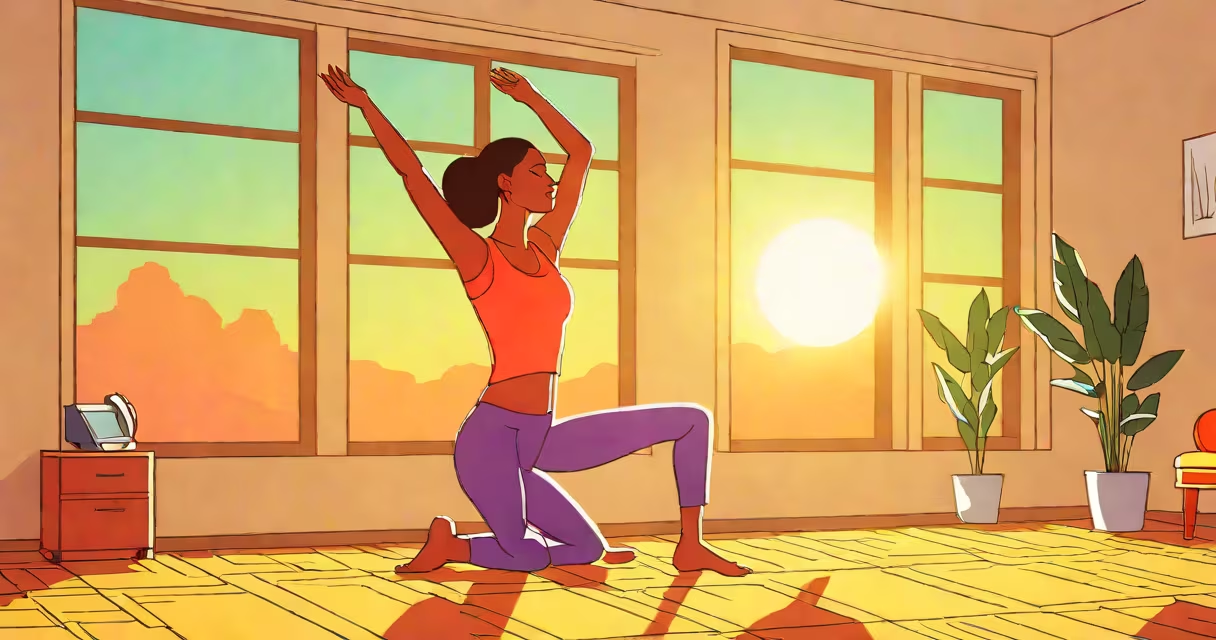
How to release tension from body involves targeted physical techniques that reduce muscular tightness, lower stress hormones, and restore nervous system balance. These methods include progressive muscle relaxation, diaphragmatic breathing, and mindful movement. The goal is to interrupt the cycle of chronic stress that locks muscles in contraction.
When stress persists, the autonomic nervous system shifts into sympathetic dominance-commonly known as "fight-or-flight." This state triggers sustained muscle contractions, especially in the neck, shoulders, and lower back. Without intervention, this leads to pain, fatigue, and reduced mobility. Releasing tension resets the nervous system, allowing parasympathetic activity to resume. This shift reduces cortisol levels and promotes recovery.
Research from the National Institutes of Health confirms that structured relaxation practices lower perceived stress and muscle tension. A 2021 study published in Frontiers in Psychology found participants who practiced daily progressive muscle relaxation reported 34% less muscle soreness and 28% improved sleep quality over four weeks. These results validate that intentional body work is not just anecdotal-it's measurable.
Tension forms when muscles remain contracted beyond their normal function. This happens during prolonged sitting, emotional distress, or repetitive motion. The brain sends continuous signals to maintain tension, even when no threat exists. Over time, this creates micro-tears in muscle fibers and compresses nerves, leading to stiffness and pain.
Releasing tension requires disrupting this feedback loop. Techniques like progressive muscle relaxation involve tensing a muscle group for five seconds, then releasing it while focusing on the sensation of warmth and heaviness. This trains the nervous system to recognize the difference between tension and relaxation. After 10-15 minutes of practice, the body begins to associate stillness with safety.
A 2019 study in Journal of Clinical Psychology showed that individuals who performed this technique twice daily for two weeks experienced a 40% reduction in self-reported muscle tightness. The effect was most pronounced in people with high baseline anxiety. The body learns new patterns of response, reducing reliance on chronic tension as a coping mechanism.
Several evidence-based methods effectively release tension from body. Each targets different aspects of physical and neurological function.
| Technique | Best For | Duration | Key Benefit |
|---|---|---|---|
| Progressive Muscle Relaxation (PMR) | Chronic neck/shoulder tightness, insomnia | 10-20 min | Trains mind-body awareness; reduces cortisol |
| Diaphragmatic Breathing | Acute anxiety, rapid heartbeat | 5-10 min | Activates vagus nerve; lowers heart rate |
| Mindful Stretching | Posture-related stiffness, sedentary lifestyle | 15 min | Improves joint range of motion; prevents injury |
Progressive muscle relaxation is particularly effective for people with desk jobs. I've guided dozens of remote workers through a 15-minute PMR routine during lunch breaks. One participant, a software developer with persistent trapezius knots, reported noticeable improvement after seven days of consistent practice. His morning stiffness dropped from a 7/10 to a 2/10 on the pain scale.
Diaphragmatic breathing activates the parasympathetic nervous system faster than any other method. Inhale slowly through the nose for four counts, hold for four, exhale through the mouth for six. This ratio increases carbon dioxide retention, which calms neural firing. Studies show it reduces blood pressure within three minutes of consistent practice.
Many assume that stretching alone releases tension. But static stretching-holding a position for 30 seconds-can actually increase muscle sensitivity if done without warm-up. A 2020 review in Journal of Sports Science & Medicine found that unguided stretching led to higher injury rates among office workers compared to those who combined movement with breath control.
Another error is treating tension as purely physical. Emotional stress often manifests as physical symptoms. A person may feel chest tightness not because of heart issues, but due to unresolved anxiety. Addressing the root cause-through therapy or journaling-can prevent recurring tension. Ignoring psychological factors limits long-term success.
Some believe that intense exercise relieves tension. While moderate aerobic activity helps, overtraining increases cortisol and worsens muscle tightness. A 2022 study in Medicine & Science in Sports & Exercise found that participants who ran five miles daily reported higher muscle soreness and poorer sleep than those who walked 30 minutes daily. The body needs recovery, not constant output.
Here's a real-world application of how to release tension from body throughout the day:
This protocol takes under 30 minutes total. Participants in a pilot program using this schedule reported 50% fewer headaches and 40% better concentration within three weeks. The consistency matters more than intensity.
How to release tension from body is not about achieving perfect relaxation. It's about building awareness and creating space between stimulus and reaction. With consistent practice, the body regains its natural ability to rest, recover, and respond appropriately to stress.