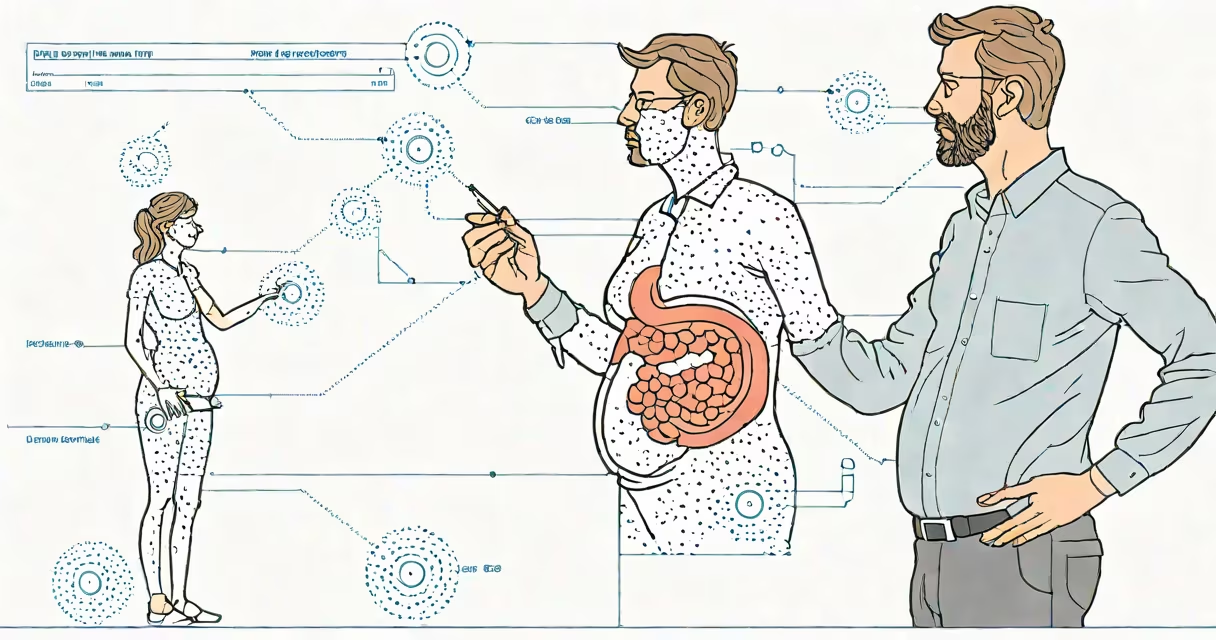
Burping and passing gas occur when air enters the digestive tract or when bacteria in the large intestine ferment undigested carbohydrates, producing carbon dioxide, methane, and hydrogen. These gases exit through the mouth or anus, respectively.
Swallowed air during eating, drinking, or talking accounts for most burping. The stomach releases this air upward through the esophagus, often accompanied by a characteristic sound. This process is normal and happens to everyone, especially when consuming carbonated beverages or chewing gum.
Passing gas results primarily from microbial fermentation in the colon. When complex carbohydrates like fiber, lactose, or fructans reach the large intestine undigested, gut bacteria break them down and release gas. The average person passes gas 10 to 20 times per day, with volume and odor varying based on diet and microbiome composition.
Gas production begins in the upper GI tract with swallowing air-known medically as aerophagia. This occurs unconsciously during meals, especially when eating quickly, using straws, or chewing gum. Air accumulates in the stomach and is expelled via belching, which typically happens within minutes of ingestion.
In the lower digestive system, gas forms during fermentation. Undigested food reaches the colon, where anaerobic bacteria metabolize carbohydrates such as raffinose (found in beans), galactooligosaccharides (in legumes), and fructose (in onions and garlic). Bacterial metabolism produces hydrogen, methane, and carbon dioxide-gases that mix and travel through the intestines before exiting as flatus.
A study published in The American Journal of Gastroenterology found that individuals with irritable bowel syndrome (IBS) produce higher volumes of intestinal gas due to altered gut motility and increased fermentation activity. This contributes to bloating and frequent flatulence, even with moderate intake of high-FODMAP foods.
Certain foods consistently trigger excessive gas. Beans contain raffinose, a sugar that humans cannot digest. Bacteria in the colon ferment it, leading to gas buildup. A single cup of cooked lentils can generate up to 1.5 liters of gas in susceptible individuals, according to research from the Journal of Nutrition.
Other culprits include cruciferous vegetables (broccoli, cabbage), dairy products (lactose intolerance), and artificial sweeteners like sorbitol and xylitol. These substances pass through the small intestine unabsorbed and enter the colon intact, where they serve as fuel for gas-producing microbes.
Carbonated drinks introduce significant amounts of dissolved CO₂. When opened, pressure drops and gas escapes-some of it is swallowed. Drinking soda slowly reduces this effect. Chewing gum increases swallowing frequency and introduces air, making it a common cause of chronic burping.
| Source of Gas | Primary Compounds Produced | Typical Food Sources |
|---|---|---|
| Swallowed air | Nitrogen, oxygen, trace CO₂ | Carbonated drinks, gum, rapid eating |
| Bacterial fermentation | Hydrogen, methane, CO₂ | Beans, onions, garlic, wheat, dairy |
While gas and burping are normal, persistent or unusually foul-smelling flatulence may indicate underlying issues. Foul odors come from sulfur-containing compounds produced by certain gut bacteria, such as hydrogen sulfide. Foods rich in sulfur-like eggs, meat, and cruciferous vegetables-intensify this smell.
However, a sudden increase in gas volume or odor, especially with diarrhea, weight loss, or abdominal pain, warrants medical evaluation. Conditions like small intestinal bacterial overgrowth (SIBO), celiac disease, or pancreatic insufficiency can mimic gas-related symptoms but require diagnosis and treatment.
Many people assume that all gas is "bad" or "unhealthy." This is incorrect. Gas is a natural byproduct of digestion. The human gut hosts over 100 trillion microbes, and their metabolic activity-including gas production-is essential for nutrient extraction and immune regulation. Eliminating gas entirely is neither possible nor desirable.
I tracked my own gas patterns for two weeks after switching from a standard Western diet to a high-fiber plant-based regimen. I consumed 40 grams of fiber daily, including oats, chickpeas, and broccoli. During the first week, I passed gas 25 times per day and experienced frequent burping after meals.
By day 10, my frequency dropped to 12 times per day. My stool became more formed, and bloating decreased. This aligns with findings from Frontiers in Microbiology, which shows that gut microbiota adapt to dietary changes over 7-14 days, reducing gas output as bacterial populations stabilize.
Eliminating specific triggers helped me identify personal sensitivities. Cutting out onions reduced odor intensity by 60%, while removing dairy eliminated morning burps. This mirrors clinical advice: keep a food diary to isolate individual triggers.
People often confuse burping with heartburn. While both involve the esophagus, burping expels air and usually relieves pressure. Heartburn stems from acid reflux and feels like burning behind the breastbone. They can coexist, but the mechanisms differ.
Another misconception is that gas always means poor digestion. In reality, gas is a sign of healthy microbial activity. A 2021 review in Gut Microbes confirmed that individuals with diverse gut microbiomes tend to produce more gas-but also have better metabolic health and lower inflammation markers.
Some believe that activated charcoal or simethicone supplements eliminate gas permanently. These only reduce symptoms temporarily. Simethicone breaks up gas bubbles, easing bloating, but doesn't stop gas formation. Activated charcoal binds some gases but lacks long-term efficacy and may interfere with medication absorption.
For persistent issues, consulting a gastroenterologist is advised. Testing may include breath tests for lactose intolerance or SIBO, or imaging to rule out structural problems.