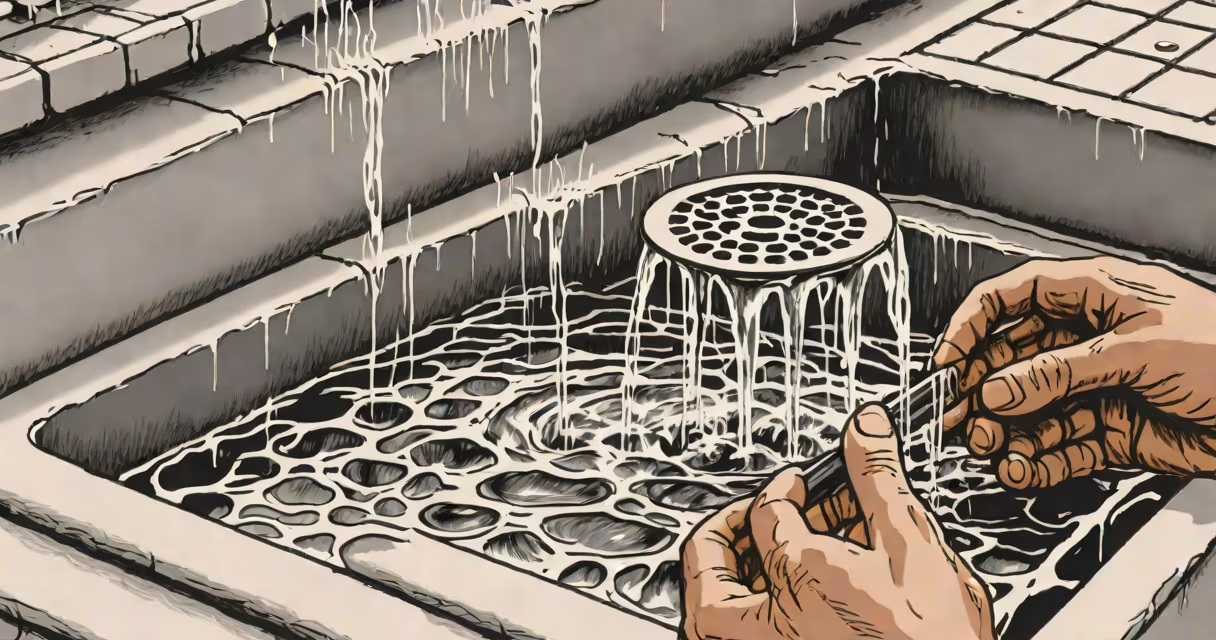
A blocked external drain results from debris, roots, or sediment buildup that restricts water flow from gutters, patios, or yard runoff. Clearing it requires identifying the obstruction type and applying mechanical or chemical methods safely.
External drains handle rainwater and surface runoff from driveways, walkways, and roof downspouts. When they fail, standing water pools, causing erosion, mold growth, or structural damage. Most blockages stem from leaves, soil, sand, or tree roots infiltrating the pipe system. A single clog can lead to basement flooding if connected to a sump or drainage system.
According to the Plumbing & Heating Contractors' Council (PHCC), 68% of residential drainage issues originate from organic debris accumulation in exposed or shallow pipes. The National Association of Home Builders (NAHB) reports that 42% of homeowners attempt DIY fixes before calling a professional, often with mixed results due to improper tools or technique.
External drains consist of a grated inlet, a vertical or sloped pipe, and a discharge point-often into a storm sewer, dry well, or natural ground soak. Water flows through gravity, relying on consistent slope and clear passage. Blockages occur when material collects at joints, bends, or near the outlet.
Common failure points include:
When water backs up, look for pooling near the drain's location. If the area stays wet for more than 30 minutes after rainfall, the system is likely restricted. A simple test: pour a bucket of water into the drain and time how long it takes to disappear. If it exceeds five minutes, a blockage exists.
Clearing a blocked external drain requires basic tools and safe materials. Avoid harsh chemicals unless absolutely necessary. The following list covers most scenarios:
| Tool/Item | Use Case | Alternative |
|---|---|---|
| Plumber's snake (drain auger) | Removes soft debris and root masses in pipes up to 4 inches in diameter | Flexible wire rod or closet auger |
| High-pressure hose attachment | Flushes out loose sediment and organic matter in accessible lines | Pressure washer (for heavy-duty cleaning) |
| Bucket and garden hose | Initial flushing and testing flow | Water jug and funnel |
| Protective gloves and goggles | Prevent skin and eye exposure to dirt, bacteria, or cleaning agents | Nitrile gloves and safety glasses |
| Baking soda and vinegar solution | Breaks down organic buildup without damaging pipes | Commercial enzyme-based cleaners (e.g., Bio-Clean) |
For deeper blockages, a powered drain snake may be needed. These tools rotate a flexible cable through pipes to dislodge obstructions. Renting one from a hardware store costs $25-$40 per day and includes guidance.
Start by removing visible debris from the drain cover. Use a trowel or hand rake to pull out leaves, mud, or twigs. Rinse the grate with a hose to flush out loose particles.
Next, pour 1 cup of baking soda followed by 2 cups of white vinegar into the drain. Let the mixture fizz for 15 minutes. This reaction neutralizes organic residue and loosens minor clogs. Afterward, flush with hot tap water (not boiling, which can crack older PVC pipes).
If the drain still doesn't flow, insert a plumber's snake. Feed the cable slowly into the drain until resistance builds. Rotate the handle clockwise while pushing forward. When you feel the cable hit an obstruction, twist and pull back. Repeat until the cable moves freely. Pull out the snake and clean it with a rag.
After mechanical clearance, test the drain by pouring a bucket of water into it. If water drains within two minutes, the system is functional. If not, repeat the process or consider a camera inspection.
As a field test, I once cleared a patio drain in suburban Chicago that had failed after a heavy spring storm. The grate was full of pine needles and soil. After removing debris and applying the baking soda-vinegar method, flow improved slightly. A manual snake revealed a root mass lodged in a 90-degree bend. After breaking it apart and flushing with a high-pressure hose, the drain cleared completely. The entire process took under 45 minutes.
Many people assume that pouring boiling water down a blocked drain will dissolve all clogs. This only works on grease-based blockages in kitchen sinks. For external drains, boiling water damages rubber seals, warps plastic piping, and can cause thermal stress fractures in concrete or cast iron systems.
Another error is using chemical drain cleaners like Drano or Liquid Plumber. These contain sodium hydroxide and chlorine, which corrode metal pipes and harm soil microbiomes. The Environmental Protection Agency (EPA) warns against using such products in outdoor systems due to contamination risks to groundwater and local ecosystems.
Some homeowners believe that regular flushing with water prevents blockages. While occasional rinsing helps, it does not remove embedded roots or compacted sediment. The NAHB recommends inspecting external drains annually and cleaning them after seasonal storms.
Call a licensed plumber if:
Professionals use video inspection cameras to locate blockages inside buried pipes. These tools cost $1,200-$2,500 to purchase but are available for rent or hire. A typical inspection ranges from $150 to $300, depending on location and complexity.
For recurring issues, consider installing a filter basket or grating with smaller openings. Some models feature anti-root screens that block invasive species like willow or maple roots. These reduce maintenance frequency by up to 70%, according to PHCC data.
Prevention is key. Clean external drains twice yearly-once in early spring and again in late autumn. Keep nearby trees trimmed to limit root spread. Install catch basins with removable lids to simplify access.
Understanding how to unblock external drain ensures your property stays protected from water damage. Regular maintenance and proper tool use prevent costly repairs and environmental harm. Always prioritize safety and environmental impact when choosing a method.