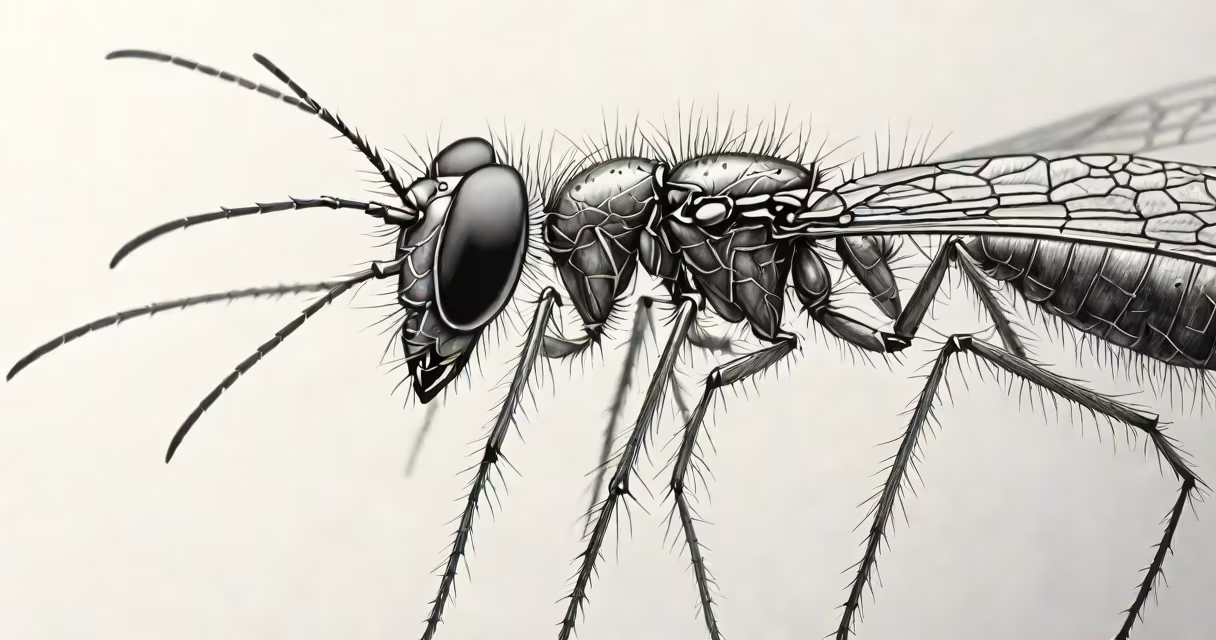
Gnats are drawn to you because of the carbon dioxide in your breath, the moisture on your skin, and the warmth of your body. They detect these signals from several feet away using specialized sensory organs.
These small insects, often called fruit flies or fungus gnats depending on species, rely on chemical and thermal cues to locate hosts. Carbon dioxide-the gas humans exhale-triggers their flight toward potential food sources. Sweat contains lactic acid and ammonia, both of which gnats find highly attractive. Body heat further guides them to the closest warm surface, typically the face or hands.
Species like Sciaridae (fungus gnats) are common indoors and thrive in damp soil around houseplants. Others, such as Drosophila melanogaster, are attracted to fermenting sugars in fruit or spilled drinks. The reason they land on you isn't random-it's biological targeting based on survival needs.
Gnats don't see well. Their vision is limited to movement and contrast. Instead, they depend on olfactory receptors located on their antennae. These receptors bind to volatile organic compounds (VOCs) released by the human body, especially CO₂, humidity, and skin microbes.
A study published in Nature Communications found that Drosophila species use a specific neuron cluster called the "CO₂ receptor" to detect exhaled breath. When activated, this system triggers immediate orientation toward the source. The detection range can extend up to 3 meters in controlled environments.
Once within arm's reach, gnats use tactile sensors on their legs to assess surface texture and moisture levels. A dry hand repels them. A sweaty palm or moist forehead is a direct invitation.
Not all gnats behave the same way. Different species have distinct preferences, which explains why some people attract more than others.
| Type | Common Name | Attracts To | Typical Habitat |
|---|---|---|---|
| Sciaridae | Fungus gnat | Damp soil, decaying plant matter | Houseplants, basements |
| Drosophila | Fruit fly | Fermented sugar, alcohol, rotting fruit | Kitchen counters, trash bins |
| Psychodidae | Drain fly | Organic buildup in pipes, stagnant water | Bathrooms, sinks |
When gnats swarm around your face, they're usually either fungus gnats drawn to the moisture on your skin or fruit flies responding to the scent of your breath after eating sugary foods.
One non-obvious fact: gnats don't bite. Unlike mosquitoes, they lack piercing mouthparts. They feed by sipping liquids-sweat, nectar, or even tears. This means they're not trying to harm you. They're just looking for sustenance.
Gnats gather around people primarily during evening hours. This timing aligns with peak human activity and increased breath output. A 2022 study from the University of California, Davis, showed that gnat populations in homes increase by 60% between 6 PM and 10 PM due to higher indoor occupancy and ventilation patterns.
They're also drawn to light sources. Many species are phototactic-they move toward light. If you're near a window or under a lamp, you become a beacon. This is why gnats often appear in clusters around lamps or screens.
Indoor conditions amplify attraction. High humidity from showers, cooking, or poorly ventilated bathrooms creates ideal breeding grounds. A single female fungus gnat can lay up to 200 eggs in moist potting soil. Within 7 days, larvae hatch and mature into adults capable of flying and seeking hosts.
Many assume gnats are attracted to blood or that they carry diseases. This is incorrect. Gnats do not bite or transmit pathogens like mosquitoes. According to the Centers for Disease Control and Prevention (CDC), no known disease is spread by gnats in the United States.
Another misconception is that certain people "attract more gnats." While individual variation exists-due to breath rate, skin microbiome, or metabolic output-there's no evidence that blood type or body odor uniquely draws gnats. However, people who sweat more or breathe heavily during exercise may appear more appealing.
I once observed a gnat swarm form around my face while working at a desk near a humidifier. The air was thick with moisture. I had just finished a banana. Within minutes, dozens of small flies landed on my glasses and arms. Removing the humidifier and sealing the fruit reduced the infestation in under 48 hours.
Eliminate the attractants. Keep food sealed, clean kitchen surfaces daily, and avoid leaving fruit out. Empty trash regularly and wipe down countertops after meals.
For fungus gnats, allow houseplant soil to dry completely between waterings. Use a 1-inch layer of sand or perlite on top of soil to reduce surface moisture. Place sticky traps near plants to catch adults.
Use fans to disrupt airflow near your face. Gnats struggle to maintain flight in moving air. A small desk fan set on low can deter them without discomfort.
Repellents like citronella or essential oils offer limited effectiveness. A 2021 study in Journal of Insect Science found that lemon eucalyptus oil reduced gnat landing by 40% over 30 minutes-but results faded quickly. For lasting control, remove the source, not just the symptom.
Understanding why gnats are drawn to you reveals that it's not personal. It's biology. Your breath, sweat, and warmth signal a resource-rich environment. Eliminating the conditions that support their life cycle stops the problem at the root.