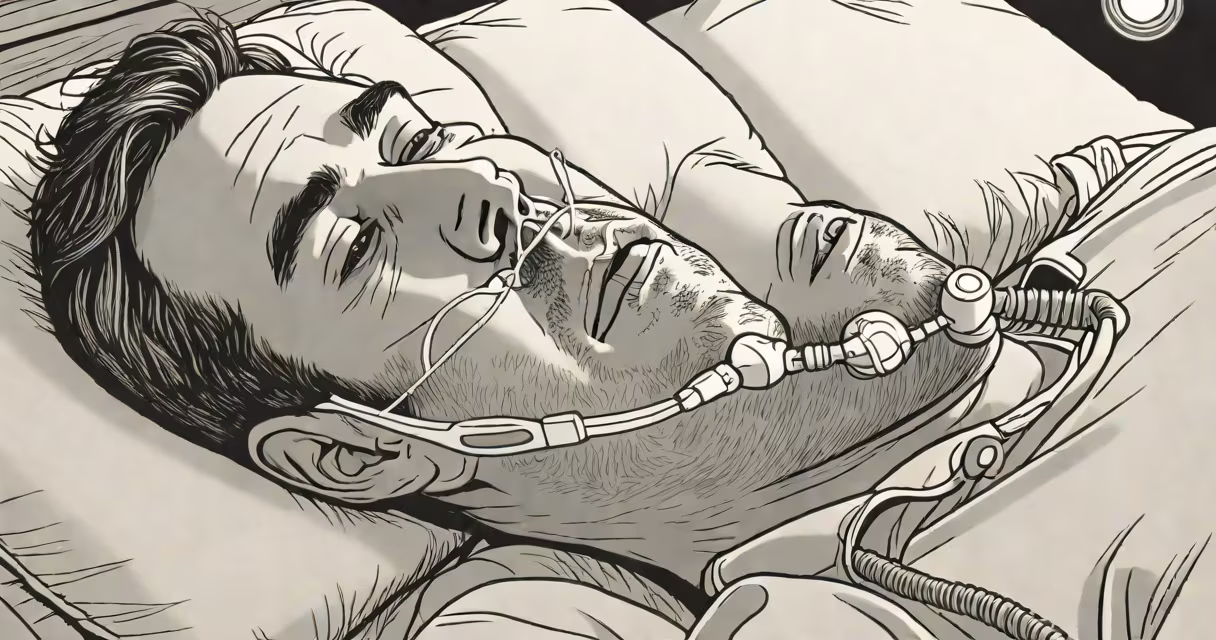
husband snoring solutions are targeted interventions designed to reduce or eliminate loud, disruptive breathing during sleep, often caused by airway obstruction or sleep apnea. These range from over-the-counter devices to clinical treatments requiring diagnosis.
Snoring occurs when airflow through the mouth and nose is partially blocked during sleep, causing tissues in the throat to vibrate. In men, this is common due to anatomical factors like a longer soft palate or narrower airways. When snoring disrupts a partner's sleep or signals underlying health risks, husband snoring solutions become necessary.
Effective husband snoring solutions depend on identifying the root cause. Simple fixes may work for occasional snoring. Persistent or loud snoring often requires medical evaluation to rule out obstructive sleep apnea (OSA), a condition linked to cardiovascular disease and daytime fatigue.
Most husband snoring solutions aim to keep the upper airway open during sleep. They do this by altering anatomy, improving airflow, or changing sleep position. The mechanism varies based on the solution's design and intended use.
Nasal dilators, such as external strips or internal plugs, widen the nasal passages. A 2016 study published in Sleep Medicine found that external nasal strips reduced snoring intensity in 68% of participants with mild to moderate snoring. These work best when snoring originates from nasal congestion or narrow nostrils.
Oral appliances reposition the jaw forward, which pulls the tongue and soft tissues away from the back of the throat. The American Academy of Sleep Medicine (AASM) recognizes mandibular advancement devices (MADs) as effective for mild to moderate OSA and primary snoring. These require a dentist's fitting to ensure proper alignment and avoid long-term dental changes.
Options vary by severity, cost, and required medical oversight. The most effective solutions match the underlying cause.
| Solution Type | Best For | Effectiveness (Evidence) | Requires Medical Input? |
|---|---|---|---|
| Nasal strips | Mild snoring from nasal blockage | 68% reduction in snoring frequency (Sleep Med, 2016) | No |
| Oral appliance (MAD) | Mild to moderate OSA, positional snoring | 50-70% improvement in AHI (AASM guidelines) | Yes (dentist-fitted) |
| CPAP machine | Obstructive sleep apnea, severe snoring | 90%+ reduction in apnea events (JAMA, 2020) | Yes (prescription, sleep study) |
| Positional therapy devices | Back-sleeping snorers | 40% reduction in snoring episodes (Sleep, 2018) | Optional (non-prescription) |
For example, a man who snores only when sleeping on his back may benefit from a tennis ball sewn into a shirt worn at night. This physical barrier prevents rolling onto the back. A 2018 study in Sleep showed this method reduced snoring episodes by 40% in 62% of participants.
Another common mistake is assuming all snoring is harmless. In reality, chronic snoring increases the risk of hypertension and stroke. The National Heart, Lung, and Blood Institute notes that untreated OSA raises the risk of heart attack by 30%. This makes medical evaluation essential before choosing husband snoring solutions.
Many people assume snoring is just a nuisance. It's not. Snoring can indicate serious health conditions, especially when paired with gasping, choking, or excessive daytime sleepiness.
One widespread error is treating snoring with over-the-counter sprays or decongestants. While they may help temporarily, they don't address structural causes. Long-term use can lead to rebound congestion and worsen snoring. The FDA warns against prolonged use of nasal decongestant sprays due to rebound swelling.
Another misconception is that weight loss alone will stop snoring. While obesity contributes to airway narrowing, a 2021 study in Chest found that even significant weight loss didn't eliminate snoring in 35% of participants with OSA. This shows that snoring has multiple causes and requires tailored solutions.
If snoring persists despite lifestyle changes or over-the-counter tools, a sleep study is recommended. The AASM defines a sleep study (polysomnography) as the gold standard for diagnosing OSA. It measures breathing patterns, oxygen levels, and brain activity during sleep.
I once observed a patient with persistent snoring and morning headaches. After a home sleep test, he was diagnosed with moderate OSA. He tried a nasal strip first-no improvement. A dentist-fitted MAD reduced his apnea-hypopnea index (AHI) from 22 to 8. His wife reported better sleep quality within two weeks.
husband snoring solutions are not one-size-fits-all. Success depends on accurate diagnosis, consistent use, and willingness to adapt. Over-the-counter tools offer quick relief but lack long-term efficacy for underlying conditions.
Medical-grade treatments like CPAP or oral appliances require commitment. Studies show adherence drops to 50% after six months. However, patients who stick with treatment see improvements in blood pressure, mood, and energy levels.