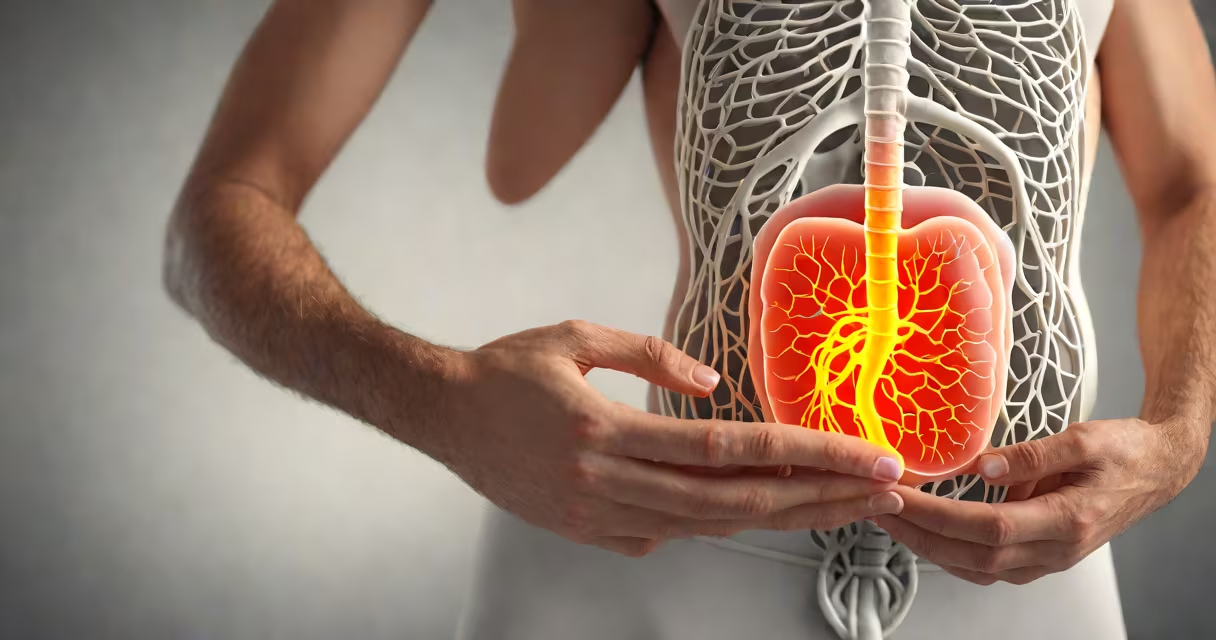
You have a lot of gas because your digestive system produces more air or gas than usual, either from swallowed air, bacterial fermentation of undigested food, or underlying conditions affecting digestion. Gas is normal-most people pass gas 10 to 20 times a day-but frequent or excessive gas may signal dietary triggers, gut imbalances, or medical issues.
Gas forms in the gastrointestinal tract through two primary mechanisms: swallowing air during eating or drinking, and bacterial breakdown of carbohydrates in the large intestine. The average adult produces about 0.5 to 1 liter of gas daily, most of which is odorless. When gas volume exceeds normal levels or contains sulfur compounds, it becomes noticeable and sometimes uncomfortable.
Common triggers include high-fiber foods like beans, broccoli, and whole grains; carbonated beverages; chewing gum; and lactose intolerance. Conditions such as irritable bowel syndrome (IBS), small intestinal bacterial overgrowth (SIBO), and celiac disease can also increase gas production. The key is distinguishing normal gas from persistent or painful episodes that disrupt daily life.
Gas originates in two places: the upper GI tract and the colon. Swallowed air enters the stomach during meals, especially when eating quickly, talking while eating, or using straws. This air often exits as burps. However, some air reaches the intestines and contributes to gas volume.
In the large intestine, bacteria ferment undigested carbohydrates-such as fiber, lactose, fructose, and certain starches-producing hydrogen, methane, and carbon dioxide. These gases mix with existing air and are expelled as flatus. Sulfur-containing compounds from protein-rich foods like eggs or meat can make gas smell stronger.
A study published in The American Journal of Gastroenterology found that individuals with IBS report higher gas volume and frequency compared to healthy controls, even when consuming similar diets. This suggests that gut sensitivity and motility play a role beyond just food intake.
Not all gas is the same. The composition affects both volume and odor. Most gas is nitrogen, oxygen, carbon dioxide, hydrogen, and methane. Odorous gas usually contains hydrogen sulfide, produced when bacteria break down sulfur-rich proteins.
| Type | Source | Common Triggers | Typical Symptoms |
|---|---|---|---|
| Swallowed Air | Upper GI tract | Eating too fast, chewing gum, drinking through straws | Burping, bloating, mild discomfort |
| Fermentation Gas | Large intestine | Beans, lentils, onions, dairy, high-fiber diets | Bloating, cramping, flatulence with odor |
| Sulfur Gas | Protein breakdown | Eggs, red meat, cruciferous vegetables | Strong-smelling flatulence, sometimes nausea |
For example, someone who eats a large portion of black beans and drinks soda may produce up to 3 liters of gas in 24 hours. This exceeds typical baseline production and leads to visible bloating and frequent passing of gas.
While occasional gas is normal, consistent or severe gas may indicate an underlying condition. Lactose intolerance affects about 65% of adults globally, according to the National Institutes of Health (NIH). People with this condition lack sufficient lactase enzyme to digest lactose, leading to gas, bloating, and diarrhea after consuming dairy.
Small intestinal bacterial overgrowth (SIBO) occurs when bacteria grow in the small intestine, where they shouldn't be. These microbes ferment carbohydrates before they reach the colon, producing excess gas. A 2021 study in Frontiers in Microbiology showed that 78% of patients diagnosed with SIBO reported chronic bloating and increased flatulence.
Other red flags include gas accompanied by weight loss, blood in stool, persistent diarrhea, or nighttime pain. These warrant evaluation by a gastroenterologist. For instance, a 42-year-old woman experienced daily gas and abdominal pain for six months. After testing, she was diagnosed with celiac disease-a condition where gluten damages the small intestine lining and impairs nutrient absorption, leading to malabsorption and gas.
Many assume that gas is always due to diet. While food plays a major role, it's not the only factor. Some people develop gas-related symptoms after surgery, particularly gastric bypass or ileostomy, due to altered gut anatomy and microbial shifts.
Another misconception is that gas is purely a "digestive" issue. In reality, gas can originate from non-digestive sources. For example, swallowing air while anxious or stressed increases gas volume. The gut-brain axis influences motility and secretion, meaning psychological stress can worsen gas symptoms even without dietary changes.
Also, people often confuse gas with heartburn or acid reflux. While both involve the upper GI tract, gas typically causes bloating and pressure, not burning. If you feel chest pressure after meals, it may be acid reflux-not gas. Distinguishing between them prevents misdiagnosis and unnecessary treatment.
Start by tracking your food and symptom patterns. Keep a journal for 7 days, noting meals, timing of gas, and associated symptoms. This helps identify triggers. Common culprits include beans, carbonated drinks, artificial sweeteners like sorbitol, and high-fat meals.
Try reducing intake of FODMAPs-fermentable oligosaccharides, disaccharides, monosaccharides, and polyols. These short-chain carbs are poorly absorbed and fermented by gut bacteria. A low-FODMAP diet has been shown to reduce gas and bloating in 70% of IBS patients, according to research from Monash University.
Most cases of frequent gas stem from identifiable habits or food choices. With targeted adjustments, many people see improvement within days. Persistent symptoms require professional assessment, but nearly all cases are manageable with proper insight.