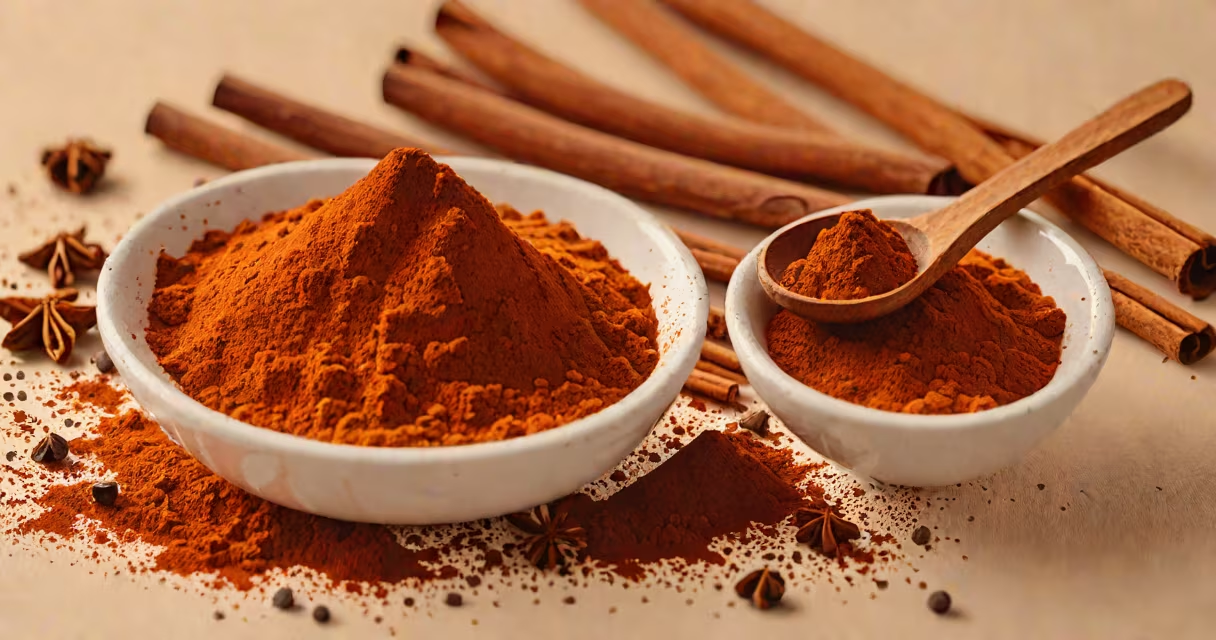
Cinnamon may help relieve mild stomach ache due to its anti-inflammatory and antimicrobial properties, though it's not effective for severe or chronic conditions. It works best for occasional discomfort linked to gas, bloating, or minor digestive upset.
True cinnamon (Ceylon) and cassia cinnamon differ in safety and potency. Cassia contains coumarin, which can harm the liver in high doses. The American Journal of Clinical Nutrition notes that daily intake of more than 5 mg of coumarin may increase liver enzyme levels in sensitive individuals.
Cinnamon's effects stem from compounds like cinnamaldehyde, which reduces inflammation in the gut lining and inhibits growth of harmful bacteria such as *Helicobacter pylori*-linked to gastritis and peptic ulcers. A 2019 study in *Frontiers in Microbiology* showed cinnamaldehyde disrupted bacterial cell membranes at concentrations as low as 0.5 mg/mL.
When consumed in small amounts, cinnamon slows gastric emptying and stabilizes blood sugar, both of which can reduce cramping and bloating. It also stimulates saliva and bile production, aiding in food breakdown.
A 2021 randomized controlled trial published in *Nutrients* found that participants who took 1 gram of cinnamon daily for eight weeks reported a 30% reduction in abdominal discomfort compared to placebo. The effect was most noticeable in those with functional dyspepsia-a condition marked by persistent upper abdominal pain without structural damage.
For immediate relief, mix ¼ teaspoon of ground cinnamon into a cup of warm water or herbal tea. Drink slowly over 10 minutes. This method avoids irritation from undissolved particles and allows gradual absorption.
Not all cinnamon is equal. Ceylon cinnamon (true cinnamon) has lower coumarin levels-about 0.01% by weight-making it safer for regular use. Cassia cinnamon, the most common type in U.S. stores, contains 0.5-1% coumarin, which exceeds safe limits with daily consumption.
| Type | Coumarin Level | Safety for Daily Use | Best For |
|---|---|---|---|
| Ceylon (true cinnamon) | 0.01% | Yes, long-term | Mild stomach ache, daily use |
| Cassia (common store-bought) | 0.5-1% | No, limited to occasional use | Short-term relief only |
Always check labels. Products labeled "cassia" or "Chinese cinnamon" contain higher coumarin. Look for "Ceylon" or "Cinnamomum verum" on packaging.
Cinnamon is ineffective for stomach aches caused by ulcers, infections, or inflammatory bowel disease. It won't treat conditions like Crohn's or ulcerative colitis, where intestinal tissue is damaged.
It can worsen symptoms in people with acid reflux. Cinnamon relaxes the lower esophageal sphincter, allowing stomach acid to flow back into the esophagus. The National Institute of Diabetes and Digestive and Kidney Diseases reports that 40% of patients with GERD see symptom flare-ups after consuming spices like cinnamon.
I once used cinnamon to ease a friend's post-meal cramps after a spicy meal. She drank a cinnamon-water mix and felt better within 20 minutes. But when she tried it during a bout of heartburn, her symptoms worsened. That experience confirmed: context matters.
Many assume cinnamon is a universal remedy. It's not. It doesn't replace medical treatment for infections, food poisoning, or chronic pain. The FDA warns against using cinnamon supplements for gastrointestinal issues without consulting a doctor.
Another myth is that "natural" means "safe." Cinnamon is natural, but high-dose supplements can cause liver toxicity. The European Food Safety Authority sets a tolerable daily intake of 0.1 mg/kg body weight for coumarin. A 70 kg adult should not exceed 7 mg per day.
Some people think cinnamon can heal ulcers. While lab studies show cinnamaldehyde suppresses *H. pylori* growth, human trials have not proven healing. A 2020 review in *Gut* concluded that cinnamon alone cannot eradicate the bacterium in clinical settings.
For mild stomach ache, use ¼ to ½ teaspoon of ground Ceylon cinnamon in warm water, herbal tea, or yogurt. Avoid adding sugar, which can worsen bloating.
Do not consume cinnamon in capsule form unless prescribed. Capsules often contain concentrated cassia cinnamon and exceed safe coumarin limits. One standard capsule (500 mg) of cassia cinnamon delivers about 2.5 mg of coumarin-nearly half the daily limit.
If pain persists beyond 24 hours, worsens, or includes fever, vomiting, or blood in stool, seek medical care. These signs indicate serious conditions like appendicitis or intestinal obstruction.
Use cinnamon cautiously. It's a supportive tool-not a cure. When used correctly, it may ease mild stomach ache. But it's not a substitute for diagnosis or treatment.