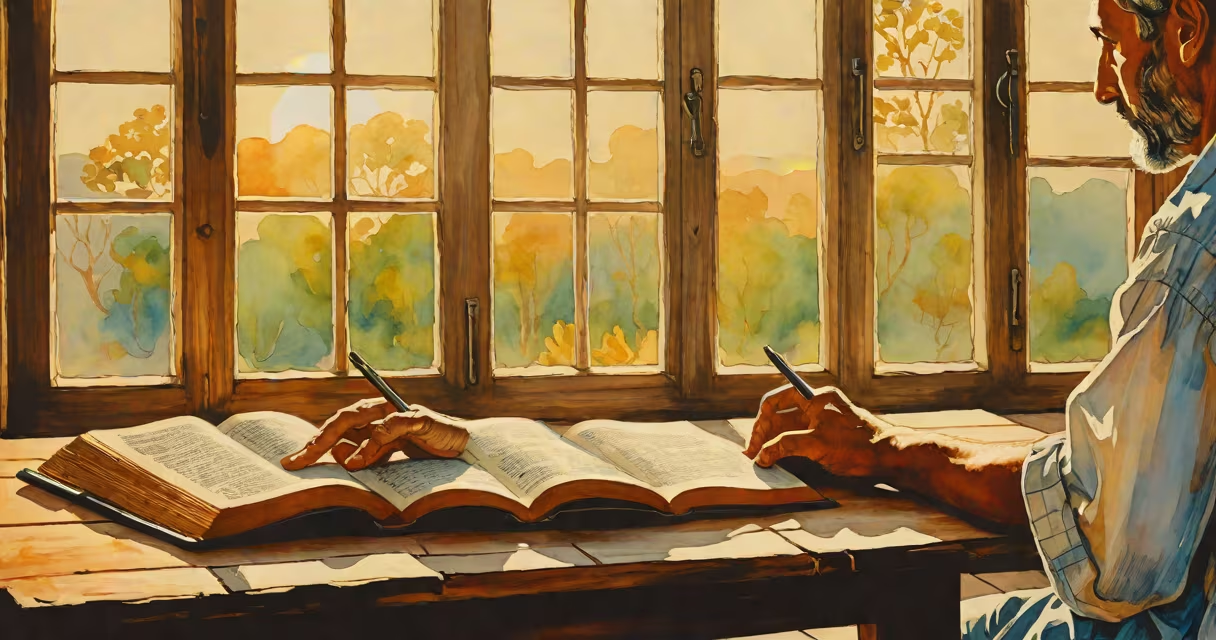
lectio divina meditation is a four-stage Christian spiritual practice involving slow, deliberate reading of Scripture to encounter divine presence. It moves beyond intellectual study into attentive listening, emotional response, and silent communion with God.
This method originated in early monastic communities and was formalized by Benedict of Nursia in the 6th century. It remains central to Catholic and many Protestant devotional life. The process unfolds in four steps: lectio (reading), meditatio (reflection), oratio (prayer), and contemplatio (resting in God's presence).
Unlike casual Bible reading, lectio divina requires stillness, repetition, and silence. You don't analyze the text-you let it speak. A single verse may take 15 minutes. The goal isn't understanding, but being understood.
The process begins with selecting a short passage-usually one biblical verse or a few lines. Choose something manageable. For example, Matthew 11:28: "Come to me, all you who are weary and burdened, and I will give you rest."
First, read the passage aloud slowly. Let your voice slow down. Pause between phrases. Listen for a word or phrase that lingers. That's the invitation to attention.
Next, reflect silently on that word. Ask: What does this mean in my life right now? How does it touch my emotions? Is there a memory, fear, or longing it stirs? This is meditatio-not thinking about the text, but letting the text think through you.
Then move into oratio. Speak back to God using your own words. Not a performance. Not a script. Just honesty. Say, "I am tired. I carry weight I didn't ask for. I want rest." This is prayer shaped by Scripture, not liturgy.
Finally, enter contemplatio. Sit in silence. No thoughts. No goals. Just being in God's presence. This stage lasts five to ten minutes. It's not empty-it's full. The silence is not absence; it's presence.
Lectio divina is not one-size-fits-all. It varies by tradition and personal rhythm. Some do it daily. Others reserve it for Sundays or retreats. The core structure stays consistent, but timing and setting differ.
| Stage | Focus | Time Estimate | Common Mistake |
|---|---|---|---|
| lectio | Reading Scripture slowly | 3-5 min | Skimming or rushing |
| meditatio | Reflecting on a word or phrase | 5-10 min | Over-analyzing or forcing meaning |
| oratio | Praying in response | 5-7 min | Using canned prayers or religious jargon |
| contemplatio | Resting in God's presence | 5-10 min | Trying to "feel" something or achieve a state |
Some traditions use a fifth stage-action-but it's not part of the original model. The four stages are complete in themselves. Adding action turns it into a devotional exercise rather than a contemplative one.
Monks in the Benedictine tradition often use lectio divina twice a day-once in the morning, once at night. They read the same passage over several days. The meaning deepens not through effort, but through time and repetition.
Today, lectio divina meditation is practiced widely in Catholic parishes, Anglican communities, and among Protestant contemplatives. It appears in retreat centers, spiritual direction sessions, and personal prayer routines.
It's especially useful during times of uncertainty. When decisions feel overwhelming, or grief is heavy, returning to a single verse-like Psalm 23: "The Lord is my shepherd"-can ground the heart. The repetition creates space for healing.
A 2019 study published in the Journal of Psychology and Christianity found that participants who practiced lectio divina for eight weeks reported significant reductions in anxiety and increased feelings of inner peace compared to a control group. The researchers noted that the practice's effectiveness came not from cognitive insight, but from sustained attention and surrender.
Many people assume lectio divina is only for clergy or religious. That's incorrect. It's designed for laypeople. I've seen a nurse in Chicago use it during her lunch break. She sat in a hospital chapel, read John 14:1-2 ("Do not let your hearts be troubled..."), and wept. She said, "For the first time in months, I felt safe."
People often confuse lectio divina meditation with Bible study. The difference is intention. Bible study seeks to understand the text. Lectio divina seeks to be understood by the text.
Another mistake is treating it as a technique to gain insights or answers. It's not a problem-solving tool. You won't find solutions to career dilemmas or relationship conflicts through this method. Instead, you may find stillness in the midst of them.
Some believe they must feel something-peace, warmth, joy-to have done it correctly. But silence, confusion, or even boredom are valid experiences. The practice doesn't require emotional outcomes. It asks only for presence.
A key distinction: lectio divina is not mindfulness. While both involve stillness and attention, mindfulness focuses on the breath or body. Lectio divina directs attention to sacred text and divine presence. The object of focus is different. One is secular; the other is theological.
And here's a non-obvious point: the most useful moments in lectio divina often come not during the reading, but after. When you close the book and sit in silence, the word continues to resonate. The message doesn't end when the page ends.
Let's walk through a full session using Isaiah 41:10: "So do not fear, for I am with you; do not be dismayed, for I am your God. I will strengthen you and help you; I will uphold you with my righteous right hand."
This entire session takes under 20 minutes. No special tools. No apps. Just a Bible, a chair, and willingness to listen.
At its core, lectio divina meditation is not about doing more. It's about being still long enough to hear what's already there.