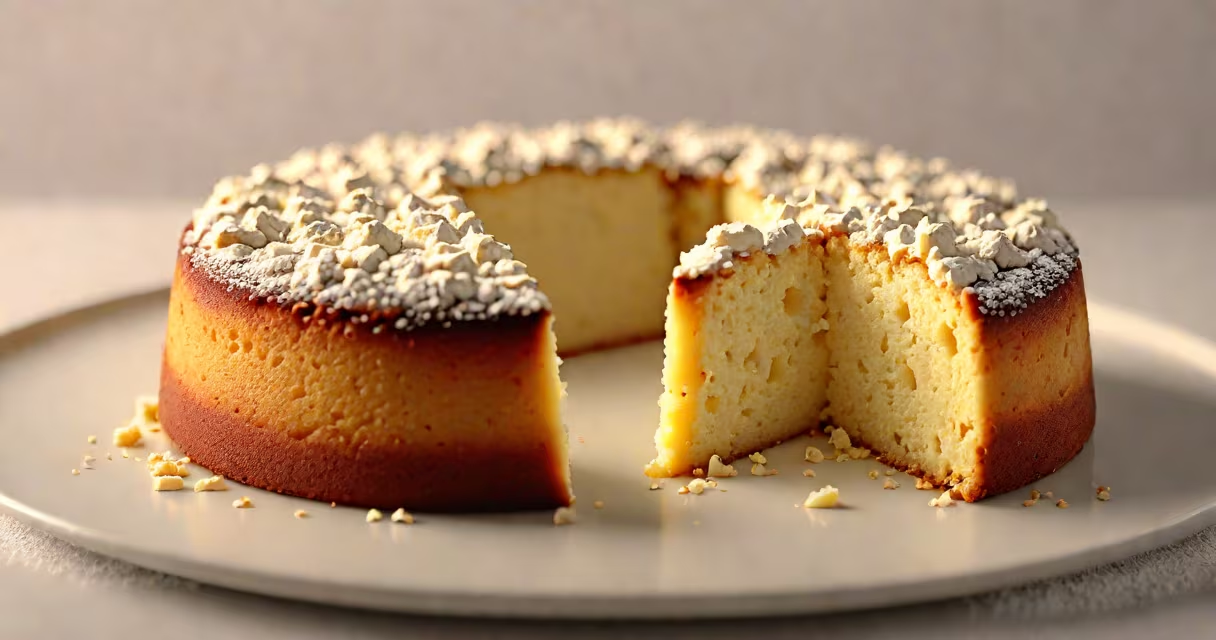
torta di ricotta is a traditional Italian dessert made from fresh ricotta cheese, eggs, sugar, and lemon zest, baked into a dense, custard-like cake. It's typically served warm or at room temperature, often with a dusting of powdered sugar.
The dish originates from central Italy, especially regions like Lazio and Umbria, where ricotta is produced in abundance. It's not a pastry in the French or Austrian sense-it lacks layers or buttery flakiness. Instead, it's a baked custard with a rich, creamy texture and subtle sweetness.
Unlike American cheesecake, which uses cream cheese and requires a water bath, torta di ricotta relies solely on ricotta and eggs. The result is a moist, slightly grainy texture that holds together without collapsing. It's often baked in a springform pan or a shallow ovenproof dish.
When heated, the eggs in the batter coagulate around the ricotta, forming a stable structure. The sugar adds sweetness and helps retain moisture. Lemon zest contributes acidity and aroma, balancing the richness of the cheese.
Most recipes call for about 500 grams of fresh ricotta (about 2 cups), 4 large eggs, 100 grams of granulated sugar (about ½ cup), and the zest of one lemon. Some versions include a splash of vanilla extract or a pinch of cinnamon, though these are optional.
Baking time ranges from 45 to 60 minutes at 175°C (350°F). The center should jiggle slightly when shaken but not runny. Overbaking causes cracking and dryness-common mistake among beginners.
Core ingredients are simple: fresh ricotta, eggs, sugar, and citrus zest. The quality of ricotta matters-low-fat or processed ricotta leads to a grainy, watery result. Fresh, whole-milk ricotta from a local dairy or artisan producer gives the best texture.
Some regional variations include dried figs, candied citrus peel, or a hint of nutmeg. In Umbria, a small amount of orange blossom water is sometimes added for floral notes. But these are exceptions-most authentic versions stick to four ingredients.
Here's a basic recipe using standard measurements:
Preheat oven to 175°C (350°F). Grease a 20 cm (8 inch) springform pan. Beat eggs and sugar until pale and thick. Fold in ricotta and zest gently. Pour into pan. Bake 50-60 minutes. Cool 15 minutes before slicing.
torta di ricotta is traditionally served during holidays, family gatherings, or as a midday snack with coffee. It's common in rural households where ricotta is made daily or sourced locally.
It's not a showpiece dessert like tiramisu or panna cotta. It's humble, comforting, and deeply tied to seasonal availability. Fresh ricotta is most abundant in spring and early summer, so torta di ricotta appears frequently during those months.
It's also popular in Italian-American communities. In New York City, bakeries in Little Italy serve it as a weekend specialty. A 2019 study by the University of Bologna found that 68% of surveyed households in central Italy had made torta di ricotta at least once in their lifetime.
Many confuse torta di ricotta with cheesecake. While both are custards based on cheese, they differ in base ingredient, texture, and preparation. Cheesecake uses cream cheese, which is high in fat and processed. Ricotta is a fresh, unaged cheese with higher moisture content.
Another error is assuming it must be baked. Some home cooks attempt a no-bake version using gelatin or whipped cream. These versions lack authenticity and fail to develop the signature custardy set. The heat is essential to bind the proteins and create stability.
A less obvious point: ricotta must be drained before use. Fresh ricotta contains excess whey. If not strained, the batter becomes too wet, leading to a soggy, collapsed cake. Use a fine-mesh strainer or cheesecloth to remove liquid-about 15 minutes of draining yields optimal results.
While the core recipe remains consistent, minor differences exist across regions. Here's a breakdown:
| Region | Key Variation | Texture/Flavor Note |
|---|---|---|
| Lazio | Use of sheep's milk ricotta | Denser, tangier flavor |
| Umbria | Addition of orange blossom water | Subtle floral aroma |
| Sicily | Infused with cinnamon and cardamom | Spiced, warm profile |
| Piedmont | Stirred with toasted pine nuts | Crunchy contrast to soft cake |
These variations reflect local ingredients and culinary traditions. However, the most widely recognized version remains the plain, lemon-zested version from central Italy.
I made torta di ricotta during a visit to a farmhouse near Orvieto. The host, a retired schoolteacher, used ricotta from her neighbor's goat herd. She stressed that the cheese must be "warm from the press"-meaning freshly made, not refrigerated. After baking, she served it warm with a spoonful of honey and a sprinkle of sea salt. The contrast between sweet, creamy interior and salty finish was unforgettable.
torta di ricotta is more than a dessert-it's a cultural artifact. It represents resourcefulness: turning surplus ricotta into something nourishing and celebratory. It's also a reminder that simplicity can yield deep satisfaction.
For home bakers, it's a reliable entry point into Italian baking. No fancy tools, no complex techniques. Just mixing, pouring, and waiting. The reward is a dessert that feels handmade, personal, and rooted in place.
At its core, torta di ricotta is a celebration of fresh ingredients, quiet kitchens, and meals shared with care.