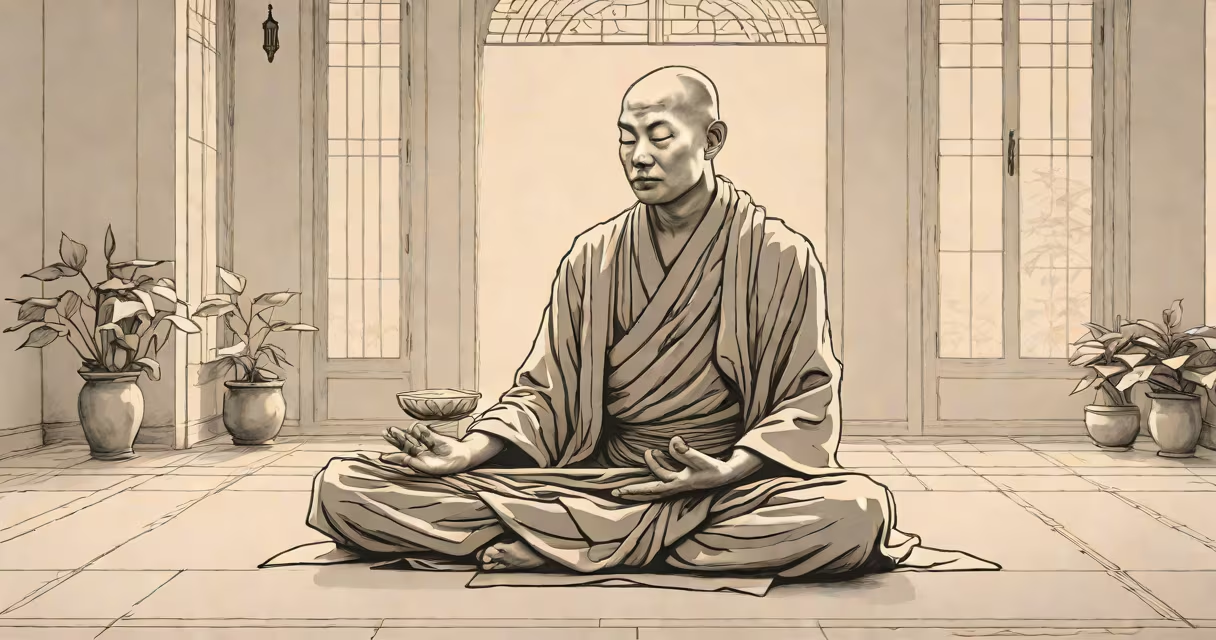
Meditation practices in Buddhism are systematic mental exercises designed to develop mindfulness, concentration, and insight. Rooted in the teachings of the Buddha, these practices aim to reduce suffering by transforming perception and cultivating ethical awareness. They form the core of Buddhist spiritual development across traditions.
These practices are not symbolic or ritualistic in the way many religious ceremonies are. Instead, they are direct tools for observing the mind and body. The goal is not to achieve a mystical state but to see reality -free from craving, aversion, and delusion. This clarity leads to liberation, known in Pali as nibbāna.
The earliest records of these practices come from the Pāli Canon, particularly the Satipatthāna Sutta, which outlines four foundations of mindfulness: body, feelings, mind, and mental objects. Modern Buddhist schools-Theravāda, Mahāyāna, and Vajrayāna-adapt these core methods while emphasizing different aspects based on their philosophical frameworks.
At their foundation, meditation practices in Buddhism train attention and awareness. They begin with focused attention-on the breath, bodily sensations, or a specific thought-to stabilize the mind. Once stability is achieved, practitioners shift to open awareness, observing thoughts and emotions without judgment.
This process dismantles automatic reactions. For example, when anger arises, the meditator doesn't suppress it or act on it. Instead, they observe its presence, its physical sensations, and its impermanent nature. Over time, this reduces attachment to emotional states and weakens habitual patterns of suffering.
A key principle is sati-mindfulness. As defined in the Satipatthāna Sutta, mindfulness involves being aware of what is happening in the present moment, without distortion. This is not passive observation. It's active engagement with experience, noticing how thoughts arise and pass away. The practice builds metacognitive skills-the ability to monitor one's own thinking.
Buddhist traditions categorize meditation into two broad types: samatha (calm abiding) and vipassanā (insight). Samatha develops concentration and mental stillness. Vipassanā cultivates clear seeing into the nature of reality-impermanence, unsatisfactoriness, and non-self.
Most traditions combine both. In Theravāda, vipassanā is emphasized through mindfulness of breathing and body scanning. In Zen (a Mahāyāna school), zazen-seated meditation-focuses on posture and breath to dissolve conceptual thinking. In Tibetan Buddhism, visualization and mantra repetition are used to internalize enlightened qualities.
| Type | Primary Goal | Common Practice | Tradition |
|---|---|---|---|
| Samatha | Stabilize attention | Focused attention on breath | Theravāda, Mahāyāna |
| Vipassanā | See reality | Body scan, noting thoughts | Theravāda, Insight Meditation |
| Loving-kindness | Cultivate compassion | Repeating phrases like "may you be happy" | All major traditions |
| Mantra & Visualization | Internalize wisdom | Chanting, visualizing deities | Tibetan Vajrayāna |
One common misconception is that all Buddhist meditation requires sitting cross-legged for hours. While posture matters, the essential element is intention and consistency. A 10-minute daily session with full attention is more effective than an hour of distracted sitting.
Meditation practices in Buddhism are used in monastic settings, retreat centers, and personal homes. Monks in Theravāda countries like Thailand and Myanmar spend years mastering these techniques. Laypeople use them to manage stress, improve focus, and deepen understanding of life's challenges.
Research supports their benefits. A 2016 study published in JAMA Internal Medicine found that mindfulness-based interventions reduced anxiety and depression symptoms in clinical populations. Another study from the University of Wisconsin-Madison showed that long-term meditators exhibit increased activity in brain regions linked to emotional regulation and attention.
Practical application is key. For example, a software engineer in San Francisco began practicing mindful breathing during work breaks. After six weeks, he reported fewer reactive emails and improved decision-making under pressure. He attributes this to developing a pause between stimulus and response-a sign of Buddhist training.
Many people mistake meditation practices in Buddhism as purely spiritual or mystical. But they are grounded in empirical observation. The Buddha taught that meditation is a method to test ideas about the mind, not to accept doctrine blindly. As the Upanisa Sutta states: "When you see something, see it as it is."
Another error is equating Buddhist meditation with relaxation. While calm often follows, the purpose is not to feel good. It's to see. A 2020 review in Frontiers in Psychology found that participants who practiced insight meditation reported increased discomfort during sessions-yet showed greater long-term resilience compared to those seeking comfort.
There's also confusion around the role of the teacher. In some traditions, guidance is essential. In others, such as the modern Insight Meditation movement, individuals learn from books and online resources. The key difference lies in correct understanding-not lineage or credentials. As the Dhammapada says: "The wise person sees the Dharma, not the person."
I attended a week-long silent retreat in a forest monastery in northern California. Each morning began at 5:30 a.m. with 45 minutes of walking meditation, followed by 90 minutes of sitting. There were no books, no music, no talking. Just the sound of breath, footsteps, and silence.
On day three, I experienced intense restlessness. My mind raced through work problems, past regrets, and future worries. I noticed the pattern: tension in my jaw, shallow breath, tightening chest. Instead of fighting it, I labeled the sensation: "restlessness," "tightness," "thought." After ten minutes, the agitation subsided-not because I forced it, but because I stopped resisting.
That moment was not enlightenment. It was evidence of the method working. The practice didn't eliminate discomfort-it changed my relationship to it. That shift is central to Buddhist meditation: not to escape pain, but to understand it.