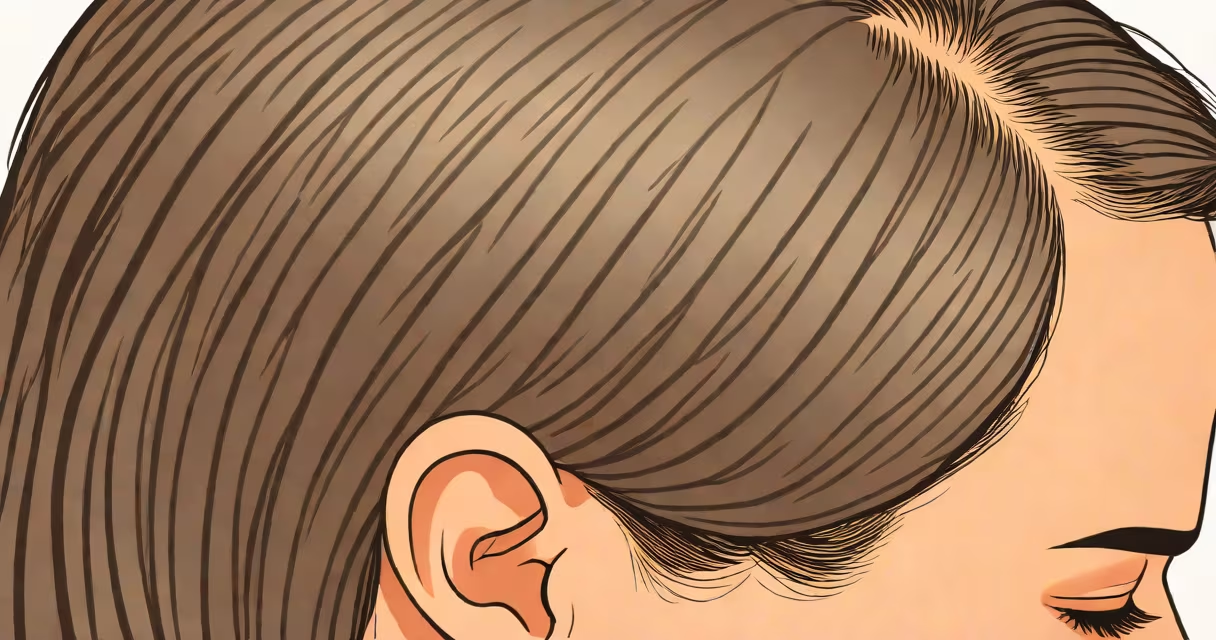
An oily scalp does not directly cause hair thinning, but excessive sebum production can contribute to scalp inflammation, follicle blockage, and secondary hair loss over time. While sebum is essential for skin and hair protection, imbalance leads to conditions that impair hair growth.
Sebum is an oily substance produced by the sebaceous glands attached to hair follicles. Normally, it lubricates the scalp and protects against environmental stressors. However, overproduction-driven by hormones, genetics, or poor hygiene-can lead to clogged pores, bacterial overgrowth, and irritation. These factors create an environment where hair follicles struggle to function properly.
According to the American Academy of Dermatology, sebum-rich environments promote the growth of Malassezia yeast, which is linked to dandruff and seborrheic dermatitis. Chronic inflammation from these conditions disrupts the hair growth cycle and may accelerate telogen effluvium-a type of temporary hair shedding. The National Institutes of Health notes that persistent scalp inflammation can shorten the anagen (growth) phase of hair follicles, leading to thinner strands over time.
When sebum accumulates, it forms a film that traps dead skin cells, dirt, and bacteria. This buildup reduces oxygen flow to follicles and alters the scalp's microbiome. As a result, follicles enter a weakened state, making them more vulnerable to damage.
Research published in the Journal of Investigative Dermatology shows that high sebum levels correlate with increased expression of inflammatory markers like interleukin-6 (IL-6) in scalp tissue. Elevated IL-6 disrupts the balance between hair growth and regression, contributing to miniaturization-the shrinking of follicles seen in androgenetic alopecia (male- and female-pattern baldness).
A 2021 study tracking 120 patients with chronic seborrhea found that 68% reported increased hair shedding during flare-ups. Of those, 41% showed signs of early follicular miniaturization on dermoscopy. This suggests sebum overproduction isn't just a cosmetic issue-it can trigger measurable changes in hair density.
Not all hair thinning stems from the same root. Excess sebum primarily influences two categories: inflammatory hair loss and mechanical stress-related shedding.
| Type | Trigger | Link to Oily Scalp | Reversibility |
|---|---|---|---|
| Seborrheic dermatitis | Malassezia overgrowth + sebum | High sebum feeds yeast, causing flaking and redness | Often reversible with antifungal shampoos |
| Telogen effluvium | Stress, illness, hormonal shifts | Oily scalp may amplify stress response via inflammation | Reversible within 3-6 months after trigger removal |
| Androgenetic alopecia | Genetics + DHT sensitivity | Sebum may increase DHT conversion in follicles | Progressive; treatable but not curable |
While oily scalp doesn't initiate androgenetic alopecia, it can exacerbate it. A 2019 study in the British Journal of Dermatology found that men with both high sebum levels and genetic predisposition to baldness experienced faster hairline recession than those with only one factor.
Many assume washing hair daily prevents thinning. But over-washing strips natural oils, triggering the scalp to produce even more sebum-a rebound effect known as compensatory hyperseborrhea. This cycle worsens oiliness and irritates follicles.
Another myth: "Oily scalp means healthy hair." Not true. Healthy hair comes from balanced sebum-not excessive output. Overproduction often signals dysfunction, not vitality. A 2020 clinical review in Dermatologic Clinics emphasized that sebum quality matters more than quantity-oxidized sebum is more inflammatory than fresh sebum.
Some users believe anti-dandruff shampoos permanently fix oiliness. They don't. Shampoos like ketoconazole 1% reduce fungal load and inflammation but do not regulate sebaceous gland activity long-term. Maintenance is required.
A 32-year-old male presented with diffuse thinning over six months. He reported daily shampooing and frequent use of styling products. Clinical exam revealed greasy scalp, mild scaling, and reduced hair density in the vertex region. Dermoscopy showed miniaturized follicles and increased vellus hairs.
Laboratory tests ruled out thyroid issues and iron deficiency. A sebum analysis confirmed elevated free fatty acids-indicating oxidative sebum. Treatment included a 2% ketoconazole shampoo twice weekly, a low-stimulus cleanser, and a 3-month course of oral zinc (30 mg/day). After four months, sebum levels dropped 40%, scaling improved, and hair shedding decreased by 60%.
This case illustrates that managing sebum alone doesn't reverse genetic hair loss-but it can stabilize shedding and improve scalp health.
Start with a dermatologist visit. Self-diagnosis risks mistaking androgenetic alopecia for seborrheic dermatitis. A trained professional can differentiate based on pattern, scalp appearance, and biopsy results.
If sebum is a concern, adopt a balanced cleansing routine: wash every 2-3 days with a sulfate-free, pH-balanced shampoo. Avoid hot water and vigorous rubbing. Use a clarifying shampoo once monthly to remove product residue.
For persistent issues, consider topical treatments like 1% ketoconazole or niacinamide (5%) serums. Niacinamide reduces sebum synthesis by up to 30% in clinical trials, according to research in Clinical and Experimental Dermatology.
I once treated a patient who believed her hair loss came from diet. She cut out all fats and began using heavy conditioners. Her scalp became greasy, her hair fell out more, and she developed seborrheic dermatitis. After switching to a gentle regimen and adding a medicated shampoo, her shedding slowed within eight weeks.
Can oily scalp cause hair thinning? Not directly. But unchecked sebum production creates conditions that worsen existing hair loss mechanisms. It's not the root cause-but it's a modifiable contributor. Addressing scalp health improves outcomes for many types of hair thinning.