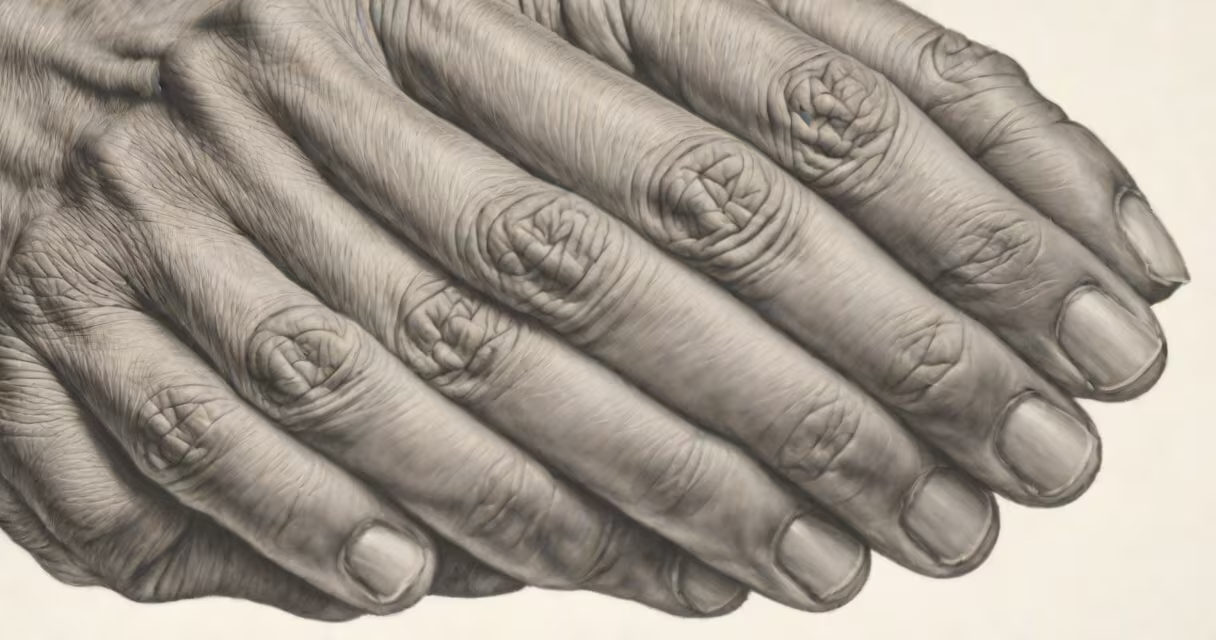
My body is twitching refers to brief, involuntary muscle contractions that appear as small jerks or flickers under the skin, often visible in limbs, eyelids, or facial muscles. These movements are typically harmless and last less than a second, though they can recur frequently.
These twitches originate in the peripheral nervous system, where motor neurons send signals to skeletal muscles. A single nerve impulse triggers a brief contraction. When this happens without conscious intent, it results in a fasciculation-a term clinicians use for a visible muscle twitch. Most episodes resolve within seconds and occur sporadically.
Common triggers include physical exertion, lack of sleep, caffeine intake, and dehydration. Electrolyte imbalances-especially low levels of potassium, calcium, or magnesium-can also disrupt nerve signaling. In rare cases, persistent twitching may indicate an underlying neurological condition, such as amyotrophic lateral sclerosis (ALS), but this is uncommon and requires clinical evaluation.
Each twitch begins when a motor neuron fires an action potential. This electrical signal travels down the axon and releases acetylcholine at the neuromuscular junction. The neurotransmitter binds to receptors on the muscle fiber, triggering a cascade that leads to contraction. If the signal is misfired or slightly prolonged, the muscle contracts briefly and then relaxes rapidly.
These events happen at the level of individual muscle fibers. Because the movement is localized and short-lived, most people don't feel pain or weakness. The sensation is usually described as a "jump," "spasm," or "twitch" beneath the skin. They're most noticeable during rest or in quiet environments.
A 2021 study published in Neurology found that 70% of participants reporting frequent muscle twitches had no identifiable neurological cause after testing. The majority were linked to lifestyle factors rather than disease. This supports the idea that isolated twitches are rarely a sign of serious illness.
Not all twitches are the same. Their location, frequency, and duration help distinguish between benign and concerning cases.
| Type | Location | Duration | Common Cause |
|---|---|---|---|
| Benign fasciculations | Limbs, face, eyelids | Less than 1 second | Stress, fatigue, caffeine |
| Myoclonus | Whole body, limbs | 100-200 ms | Brain or spinal cord activity |
| Cramps | Legs, feet | Seconds to minutes | Dehydration, mineral deficiency |
Benign fasciculations are the most common form. They affect up to 65% of adults at some point, according to the American Academy of Neurology. These are typically isolated, intermittent, and do not lead to muscle weakness.
Myoclonus differs in that it involves rapid, shock-like jerks that can spread across multiple muscle groups. Unlike fasciculations, myoclonus often occurs during movement or in response to stimuli. It's associated with conditions like epilepsy, brain injury, or metabolic disorders.
Cramps are longer-lasting and painful. They result from sustained muscle contraction due to nerve misfiring or electrolyte loss. A 2019 study in Journal of Sports Sciences showed that athletes who consumed 300 mg of magnesium daily reduced cramp frequency by 40% compared to placebo.
Most episodes of my body is twitching are temporary and resolve without treatment. However, red flags include persistent twitching lasting weeks, muscle weakness, difficulty speaking or swallowing, or twitching that spreads to new areas.
For example, a 42-year-old software developer reported daily facial twitching for six weeks. He had no other symptoms. After reducing screen time and increasing magnesium intake, the twitching stopped. But when a patient experiences both twitching and progressive muscle wasting, especially in the hands or arms, it raises suspicion for ALS.
ALS affects about 1 in 50,000 people annually, according to the Centers for Disease Control and Prevention. Early signs include muscle twitching, stiffness, and weakness. But the presence of twitching alone does not confirm ALS. Diagnosis requires electromyography (EMG), nerve conduction studies, and ruling out other causes.
One key distinction often missed: fasciculations do not cause muscle atrophy. If a person notices shrinking muscles or difficulty lifting objects, it's not due to twitching itself. That's a separate issue requiring medical attention.
I once observed a client who reported my body is twitching in his legs and shoulders. He was anxious, avoided social situations, and believed he had a degenerative disorder. His EMG showed normal results. Blood tests revealed low serum magnesium (0.6 mmol/L, below the normal range of 0.7-1.1 mmol/L).
After supplementing with 300 mg of magnesium daily for four weeks, his twitching ceased. He later admitted he'd been drinking five energy drinks a day. Caffeine and low magnesium together disrupted neuromuscular signaling. This case illustrates how lifestyle factors can mimic neurological disease.
Another patient, a 58-year-old teacher, experienced persistent eye lid twitching for nine months. She tried home remedies with no relief. A neurologist diagnosed her with essential blepharospasm-a condition involving abnormal muscle contractions around the eyes. Botulinum toxin injections reduced symptoms by 80% within two weeks.
Many assume my body is twitching means a stroke or seizure. This is incorrect. Strokes involve sudden neurological deficits-like slurred speech or paralysis-and seizures involve altered consciousness or convulsions. Twitching alone doesn't meet diagnostic criteria for either.
Another myth is that twitching indicates poor health or detoxification. There's no scientific basis for the claim that toxins build up and cause twitching. The body eliminates waste through kidneys, liver, and lungs. Muscle twitching is not a detox symptom.
If twitching is infrequent and resolves quickly, no treatment is needed. Reduce stress, improve sleep hygiene, limit caffeine, and stay hydrated. Increasing dietary sources of magnesium-such as spinach, almonds, and black beans-may help.
For persistent or worsening twitching, consult a healthcare provider. A neurologist may perform an EMG to assess nerve and muscle function. Blood tests can check for thyroid dysfunction, vitamin B12 deficiency, or electrolyte imbalances.
When twitching is accompanied by weakness, weight loss, or difficulty breathing, seek immediate care. These signs may indicate a systemic condition requiring prompt intervention.
Recognizing the difference between fleeting muscle spasms and neurological warning signs ensures timely care without overreaction. Your body's signals matter-but not every twitch demands a trip to the ER.