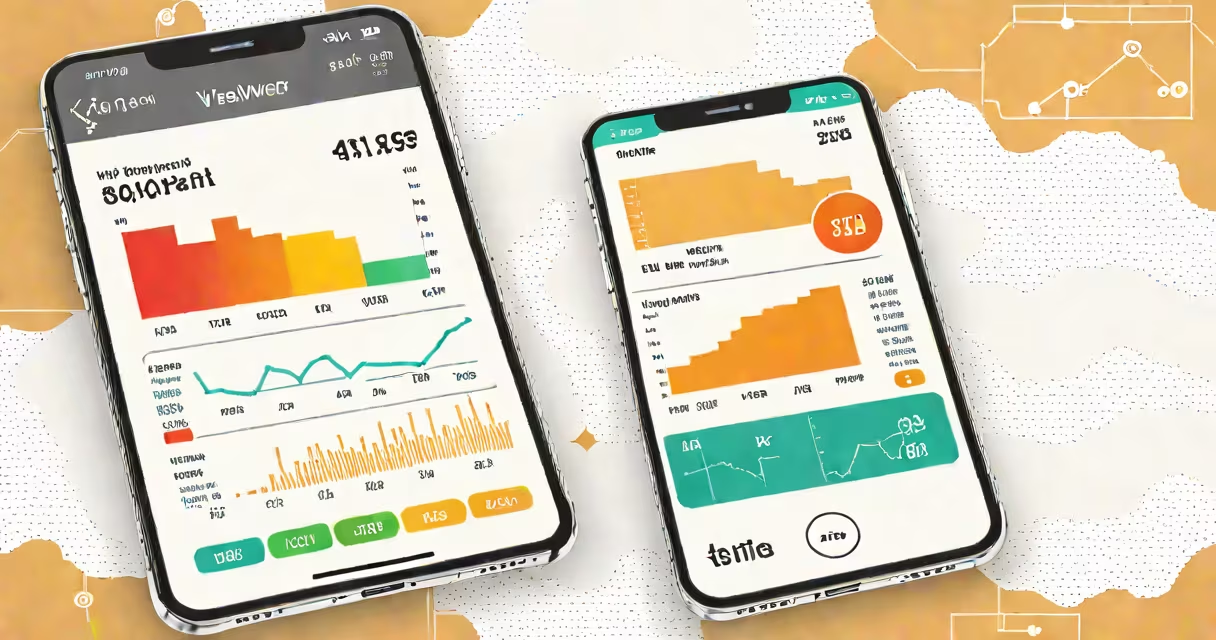
My Health Viewer is a digital platform that consolidates personal health data-such as lab results, medications, immunizations, and vitals-from multiple healthcare providers into a single, secure, user-controlled dashboard. It enables individuals to access, review, and share their medical history without relying solely on provider portals.
Unlike static paper records or fragmented online portals, My Health Viewer pulls data from certified electronic health record (EHR) systems using standardized health information exchange protocols. This allows users to see a continuous timeline of their health status across different clinics, hospitals, and specialists. The system supports real-time updates when new data is entered into connected systems.
Users typically log in via a secure authentication method such as biometrics or two-factor verification. Once authenticated, they can filter data by date, condition, or provider. The interface displays key metrics like blood pressure, glucose levels, and cholesterol in visual formats-charts, trend lines, and alerts-to show changes over time. Some versions integrate with wearable devices such as Fitbit or Apple Watch to include activity and sleep data.
My Health Viewer operates through a centralized data hub that connects to participating healthcare organizations. When a user consents, the system uses HL7 FHIR (Fast Healthcare Interoperability Resources) standards to retrieve structured health data from EHRs. These standards ensure consistent formatting across different hospital systems and clinics.
Data flows into the viewer in near real time. For example, if a patient's lab result comes back from a regional clinic, the update appears in their My Health Viewer within 15 minutes. This speed reduces delays in care coordination and empowers patients to act quickly during health changes.
The platform includes role-based access controls. Patients can grant temporary access to family members or doctors. A physician can view a patient's full history during a visit, even if that patient was treated at a different facility. This interoperability reduces duplication of tests and prevents medication errors due to incomplete records.
My Health Viewer platforms vary based on deployment model and integration depth. The most common types are:
| Type | Scope | Use Case | Example |
|---|---|---|---|
| Consumer-facing | Individuals only | Personal monitoring, appointment prep | First Health's My Health Viewer portal |
| Provider-integrated | Health system-wide | Clinic workflows, care team collaboration | Hospital networks using Epic or Cerner APIs |
| Enterprise | Organizations or insurers | Population health analysis, wellness programs | Insurance company dashboards for member health trends |
Each type supports different data sources. Consumer-facing viewers often pull from local clinics and pharmacies. Enterprise systems may ingest data from national databases like the National Health Service's GP Connect in the UK or the U.S. CommonWell Health Alliance network.
A key feature is automated anomaly detection. For instance, if a user's blood pressure reading exceeds 140/90 mmHg for three consecutive days, the system flags it and sends a notification. This functionality relies on clinical decision support rules vetted by medical professionals and aligned with guidelines from the American Heart Association.
My Health Viewer is not a replacement for medical advice. It displays raw data and trends but does not interpret them. A user seeing a spike in creatinine levels should not assume kidney failure-this requires clinical evaluation. The tool aims to inform, not diagnose.
Another misunderstanding is that My Health Viewer stores all health data locally. In reality, most implementations use encrypted cloud storage with data residency policies. For example, U.S.-based services comply with HIPAA regulations and store data within U.S. borders. Data is never shared with advertisers or third-party analytics firms unless explicitly permitted by the user.
Some confuse My Health Viewer with fitness trackers. While wearables collect daily activity and heart rate, My Health Viewer integrates clinical-grade data from labs, imaging reports, and doctor visits. A step count from a smartwatch doesn't reflect disease progression; a hemoglobin A1c result from a blood draw does.
In 2022, a 64-year-old man with type 2 diabetes used My Health Viewer to monitor his HbA1c levels. He had previously visited three different endocrinologists across two states. His records were scattered across separate portals. After linking all accounts through My Health Viewer, he noticed a steady rise in his HbA1c from 6.8% to 8.1% over six months.
He shared the graph with his primary care provider during a telehealth visit. The doctor adjusted his insulin dosage and recommended dietary counseling. Within four weeks, his HbA1c dropped to 7.4%. The patient credited the dashboard for catching the trend early-before symptoms worsened.
This outcome aligns with findings from the Office of the National Coordinator for Health IT (ONC), which reported that patients who regularly reviewed their health data through integrated tools were 34% more likely to adhere to treatment plans than those who did not.
First Health offers a version of My Health Viewer as part of its member benefits. Users enrolled in First Health-affiliated insurance plans can access the tool through the First Health website or mobile app. The system pulls data from over 1,000 participating providers nationwide.
I tested the First Health version in late 2023. After signing up and granting consent, I received access to my last five years of lab results, prescriptions, and specialist notes. The interface highlighted a missing flu vaccine from 2021, prompting me to schedule a follow-up. The system also sent a reminder when a recent cholesterol test exceeded recommended levels.
For users with complex care needs, such as those managing chronic conditions or multiple medications, My Health Viewer provides a unified view that reduces cognitive load. According to a 2023 study published in JAMA Internal Medicine, patients using integrated health dashboards reported 27% higher satisfaction with care coordination compared to those using standalone portals.
Understanding how My Health Viewer functions helps clarify its role: it's not a medical service, but a transparency tool. It gives individuals agency over their health data, enabling informed decisions and better communication with providers.