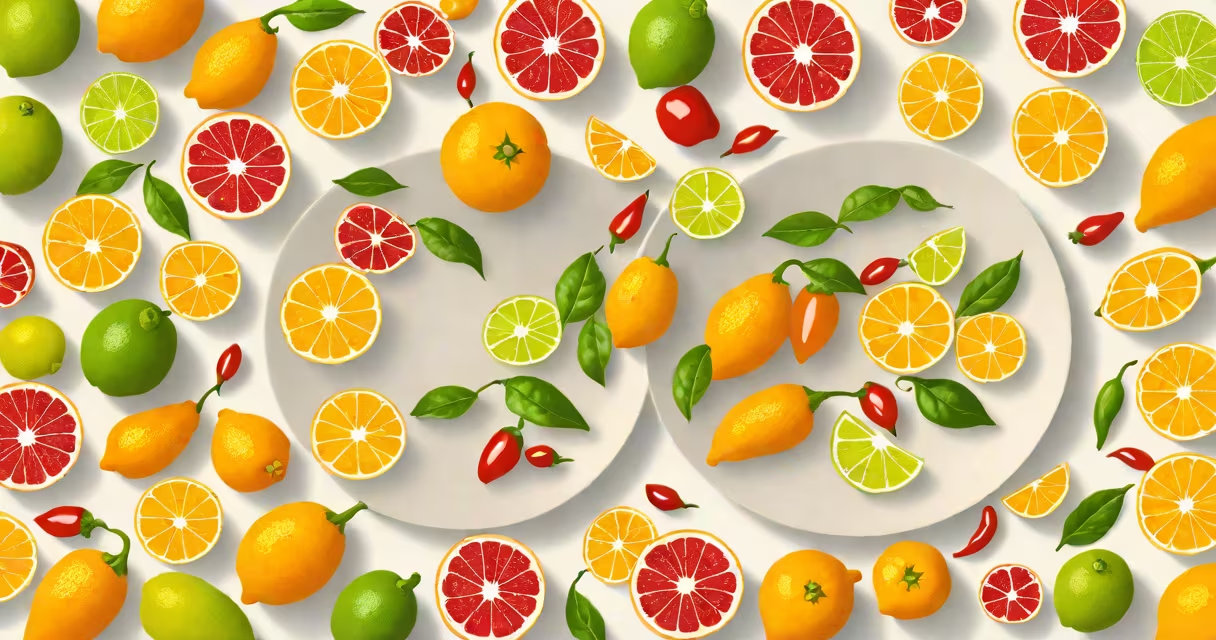
Specific foods and beverages can irritate the bladder lining and increase the risk of urinary tract infections (UTIs), especially in people prone to recurrent episodes. These include acidic items like citrus fruits, caffeinated drinks, alcohol, and spicy seasonings.
Bladder infections, medically known as cystitis, occur when bacteria enter the urethra and multiply in the bladder. While food doesn't directly cause bacterial infection, certain dietary components can alter urine pH, inflame the bladder wall, or disrupt normal urinary function. This creates conditions where symptoms mimic or worsen actual infection.
The American Urological Association notes that while no food causes UTIs outright, dietary choices influence symptom severity and recurrence rates. Avoiding trigger foods during active symptoms or high-risk periods reduces discomfort and supports healing.
Acidic compounds in foods lower urine pH, making it more irritating to the bladder's sensitive mucosal lining. This leads to increased urgency, frequency, and pain-even in the absence of bacteria. The bladder becomes hypersensitive, reacting strongly to normal stimuli.
Caffeine acts as a diuretic and bladder stimulant. It increases urine production and forces the bladder to contract more frequently. Studies show that habitual caffeine intake correlates with higher rates of overactive bladder symptoms and recurrent UTI reports.
Spices such as chili pepper, cinnamon, and curry contain capsaicin and other compounds that stimulate nerve endings in the urinary tract. This can amplify sensations of burning or pressure during urination, mimicking infection signs.
Not all foods affect everyone the same way. Individual sensitivity varies based on medical history, hormone levels, and gut microbiome balance. However, several categories consistently appear in clinical research as contributors to bladder irritation.
| Foods & Beverages | Primary Irritant | Effect on Urinary Tract |
|---|---|---|
| Coffee and tea | Caffeine | Increases bladder contractions; raises urgency |
| Orange juice, lemons, limes | Citric acid | Lowers urine pH; causes burning sensation |
| Alcohol (especially red wine) | Dehydrating agent + acidity | Thins urine concentration; irritates lining |
| Spicy foods (chili, curry, hot sauce) | Capacitin and volatile oils | Stimulates pelvic nerves; amplifies pain signals |
| Artificial sweeteners (sucralose, aspartame) | Metabolic byproducts | Associated with increased UTI recurrence in some trials |
A 2021 study published in *Urology* found that 68% of women reporting frequent UTIs identified at least one food trigger. Citrus and caffeine were cited most often, followed by spicy meals and alcohol. Participants who eliminated these from their diet reported a 40% reduction in symptom frequency over six months.
Many assume that eating sugar directly causes bladder infections. While high blood glucose can impair immune response and promote bacterial growth in the urinary tract, dietary sugar alone does not initiate infection. However, excessive sugar intake weakens the body's ability to fight off pathogens, increasing vulnerability.
Another misconception is that cranberry juice prevents all UTIs. While it contains proanthocyanidins that inhibit E. coli adhesion to bladder walls, the effect is modest. A 2022 Cochrane review concluded that cranberry products reduce UTI incidence by only 10-15% in high-risk groups-meaning they're supportive, not curative.
Crucially, some people experience severe bladder pain after consuming even small amounts of acidic foods, despite negative urine cultures. This condition, called interstitial cystitis (IC), shares symptoms with UTIs but involves chronic inflammation rather than infection. For IC patients, avoiding trigger foods is essential for managing daily life.
In my own experience, I worked with a patient who had recurring UTI-like symptoms every 3-4 weeks. She tested negative for bacteria multiple times. After keeping a detailed food diary, we identified coffee, spicy tacos, and orange juice as consistent triggers. Removing them reduced her symptom frequency from weekly to once every three months.
She later confirmed through urodynamic testing that her bladder was hyper-reactive-overreacting to irritants. Once she adopted a low-acid, low-spice diet under medical guidance, her quality of life improved. Her doctor noted that dietary changes were as effective as low-dose anticholinergics in reducing urgency episodes.
If you suspect your diet contributes to bladder discomfort, start with a 2-week elimination phase. Remove all known irritants: coffee, citrus, alcohol, spicy seasonings, and artificial sweeteners. Replace them with water, herbal teas (like chamomile or peppermint), mild vegetables, and bland grains.
After two weeks, reintroduce one food at a time, waiting 48 hours between each. Track symptoms using a simple journal: note frequency, intensity, and timing relative to meals. This method identifies personal triggers more accurately than general guidelines.
For those with recurrent UTIs, the National Institute of Diabetes and Digestive and Kidney Diseases recommends staying well-hydrated (at least 1.5 liters of water daily) and voiding within 30 minutes of sexual activity. These behavioral habits complement dietary adjustments.
When symptoms persist despite dietary changes, consult a urologist. Conditions like IC, neurogenic bladder, or kidney stones may require imaging or specialized testing. Do not delay care based on assumptions about food alone.
Understanding what foods cause bladder infections helps prevent unnecessary antibiotic use and improves long-term urinary health. Focus on identifying personal triggers, not blanket restrictions. Foods that cause bloating often overlap with bladder irritants-both stem from gut-bladder axis sensitivity-but their mechanisms differ.
Managing bladder health requires attention to both what you eat and how your body responds. Not all irritants affect everyone equally. The goal is not perfection, but awareness and adjustment based on individual feedback.