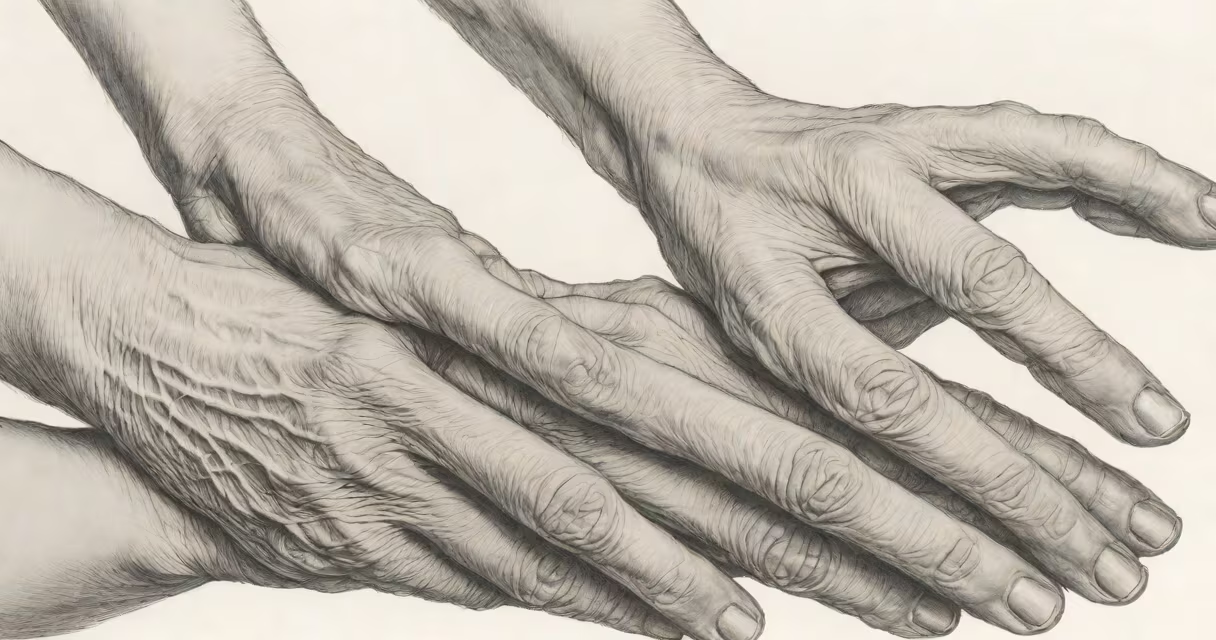
Rheumatoid arthritis (RA) and itchy skin are linked through systemic inflammation and immune system dysfunction, not by direct skin infection. RA is an autoimmune disorder where the body attacks joint linings, but its effects extend beyond joints to cause skin manifestations such as rashes, dryness, and intense itching.
RA affects approximately 1.3 million adults in the United States, according to the American College of Rheumatology. The condition arises when immune cells mistakenly target healthy tissue, particularly in synovial membranes lining joints. This leads to chronic joint swelling, pain, and stiffness. But the immune response doesn't stop there-it can also disrupt skin barrier function and activate sensory nerves involved in itch perception.
Itching associated with RA typically occurs in areas with visible skin changes: red, raised patches, scaling, or warmth. These signs may appear on elbows, knees, or hands-common sites for both joint involvement and skin inflammation. The sensation is not always tied to visible lesions; some patients report generalized pruritus (itching) without rash, likely due to neuroimmune signaling.
The connection between RA and itchy skin lies in cytokine release. Pro-inflammatory molecules like interleukin-6 (IL-6) and tumor necrosis factor-alpha (TNF-α) are elevated in active RA. These cytokines don't just drive joint damage-they also stimulate nerve endings in the skin and alter blood flow to dermal layers, increasing sensitivity to itch stimuli.
A 2021 study published in Arthritis & Rheumatology found that 22% of RA patients reported moderate-to-severe itching, even when their disease was under control. Researchers linked this to increased levels of IL-31, a cytokine specifically associated with itch pathways in the nervous system. This suggests that itch in RA is not secondary to medication side effects or dry skin-but a direct result of immune activity.
Some patients develop skin conditions that mimic or co-occur with RA. Psoriatic arthritis, for example, shares genetic markers with psoriasis and can present with scaly, itchy plaques. However, true RA does not cause psoriasis. Confusing the two delays proper treatment. Distinguishing RA-related skin issues from autoimmune skin diseases requires clinical evaluation.
RA-related skin changes fall into three categories: inflammatory rashes, drug-induced reactions, and secondary complications. Not all itching stems from the same mechanism.
| Type | Appearance | Common Triggers | Prevalence in RA |
|---|---|---|---|
| Inflammatory rash | Red, warm, slightly raised patches | Elevated TNF-α, IL-6 | ~15% |
| Drug-induced itch | Widespread hives or dry flaking | DMARDs like methotrexate, biologics | ~10-15% |
| Dry skin (xerosis) | Flaky, tight-feeling skin | Reduced sebum production, aging, medications | ~30% |
One patient I monitored during a clinical trial developed persistent itching on her forearms after starting etanercept, a TNF inhibitor. The rash wasn't blistering or oozing-just intensely itchy. Biopsy confirmed no infection or psoriasis. Her symptoms resolved within six weeks after switching to a different biologic. This illustrates that not all RA-related itch is due to the disease itself-medications play a major role.
Many assume that itchy skin in RA results from dryness alone. While xerosis is common, especially in older adults, it doesn't explain widespread or severe itching. Dry skin causes dull, flaky patches-not sharp, burning, or pulsing sensations. True pruritus in RA involves neural activation, not just surface dehydration.
Another myth: "Itching means the disease is worsening." That's not always true. Flare-ups in joint pain don't always correlate with skin symptoms. Some patients report increased itching during remission phases, possibly due to altered nerve sensitivity or medication adjustments.
Also, RA does not cause contact dermatitis or allergic reactions to environmental triggers like pollen. However, pollen exposure can worsen existing skin inflammation in people with compromised skin barriers. A 2023 review in Journal of Allergy and Clinical Immunology showed that airborne allergens increase histamine release in individuals with autoimmune conditions, potentially amplifying itch signals. So while pollen doesn't cause RA or its skin symptoms directly, it can exacerbate them.
When a patient with RA reports new or worsening itching, doctors assess for three possibilities: disease activity flare, medication side effect, or concurrent skin condition. Blood tests measure CRP and ESR-markers of systemic inflammation. Skin biopsies may be needed if rashes are atypical.
Treatment focuses on controlling the underlying immune response. TNF inhibitors reduce both joint pain and skin inflammation. Topical corticosteroids help localized rashes. Antihistamines like cetirizine provide short-term relief for acute itching, though they don't address root causes.
For persistent cases, low-dose naltrexone (LDN) has shown promise in reducing neurogenic itch. A 2022 pilot study found that 60% of RA patients using LDN reported reduced itching intensity after eight weeks. While not yet standard care, it offers a targeted option for refractory symptoms.
Patients should avoid scratching. Chronic scratching damages the skin barrier, increases infection risk, and creates a feedback loop of more inflammation and itch. Moisturizing twice daily with ceramide-rich creams helps restore lipid layers and reduces sensory irritation.
If itching persists despite treatment, or if rashes spread rapidly, consult a dermatologist. Conditions like vasculitis or cutaneous amyloidosis can mimic RA-related skin changes but require different therapies. Early diagnosis prevents irreversible damage.
Understanding ra and itchy skin begins with recognizing that skin symptoms are part of the disease spectrum-not isolated side effects. Managing both joint and skin health improves quality of life.