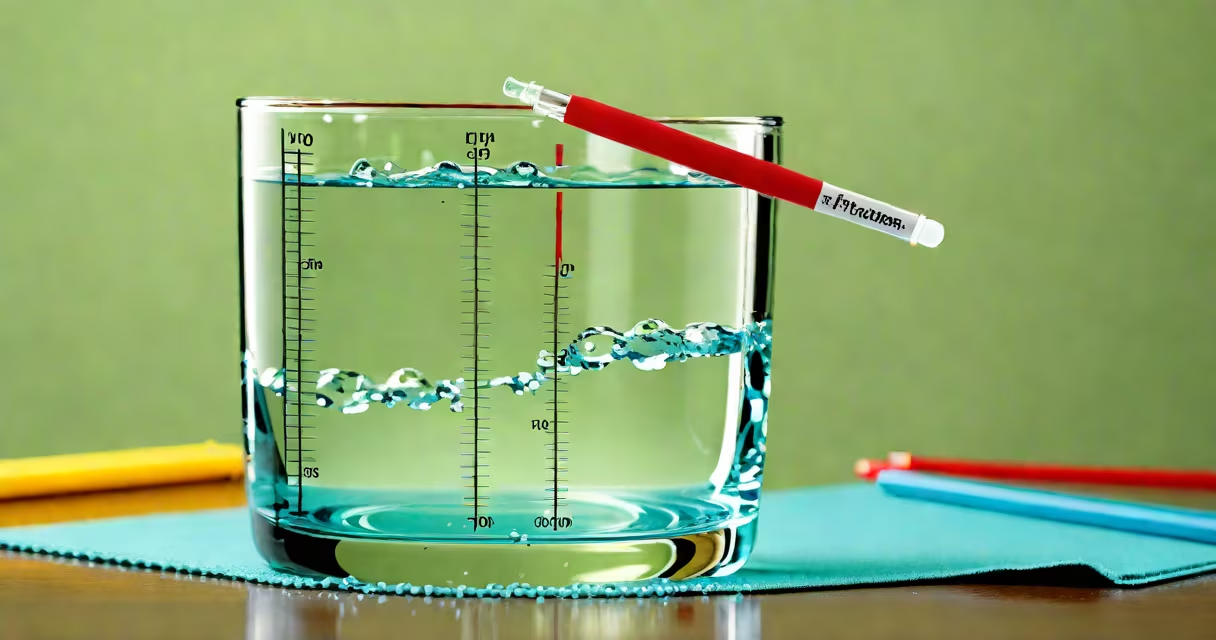
For optimal health and safety, drink water with a pH between 6.5 and 8.5. This range aligns with U.S. Environmental Protection Agency (EPA) guidelines and supports stable internal pH balance without irritating the digestive system.
Water pH measures acidity or alkalinity on a scale from 0 to 14. A pH of 7 is neutral. Values below 7 are acidic; above 7 are alkaline. Most natural drinking water falls within 6.5 to 8.5. The human body maintains blood pH near 7.4 through tightly regulated systems. Drinking water outside this range doesn't alter blood pH, but extreme values may affect taste, corrosion, or mineral leaching.
The EPA sets 6.5 to 8.5 as the acceptable range for public water supplies. The World Health Organization (WHO) notes that while low-pH water may cause gastrointestinal discomfort, high-pH water rarely poses health risks but can taste soapy or leave deposits. Tap water typically stays within this zone due to municipal treatment processes.
Water pH is measured using litmus strips, digital meters, or lab tests. Litmus strips provide quick estimates; digital meters offer precision to ±0.01 pH units. Home test kits cost $5-$20 and deliver results in under five minutes.
Municipal water systems adjust pH using chemicals like sodium hydroxide (for alkalinity) or carbon dioxide (to lower pH). These adjustments prevent pipe corrosion and reduce lead leaching. For example, cities like Chicago and Denver maintain pH around 7.8-8.2 in their distribution networks.
Reverse osmosis filters remove impurities but can lower pH to 5.5-6.0 unless remineralization is added. Alkaline water machines use electrolysis to raise pH to 8.5-10.0, though evidence for health benefits remains limited. The FDA does not regulate claims about alkaline water's disease-prevention effects.
Different water sources vary in pH. Bottled water often ranges from 6.0 to 8.5 depending on origin and processing. Spring water tends to be slightly alkaline (7.0-8.0), while purified or distilled water is neutral to slightly acidic (5.5-6.5).
| Water Type | Average pH | Source |
|---|---|---|
| Tap water (U.S.) | 7.0-8.5 | EPA monitoring data (2022) |
| Bottled spring water | 7.0-8.0 | Nutrient analysis report, 2021 |
| Distilled water | 5.5-6.5 | Lab testing, National Institute of Standards and Technology (NIST) |
| Alkaline water (artificially treated) | 8.5-10.0 | Product labeling, 2023 consumer survey |
Many believe drinking alkaline water prevents cancer or improves energy. No peer-reviewed study confirms these claims. The National Institutes of Health (NIH) states that oral pH changes do not affect systemic pH or disease outcomes.
Another myth is that acidic water causes acidosis. The body regulates blood pH independently of dietary intake. Even consuming large amounts of lemon juice (pH ~2.0) won't alter blood pH because the kidneys and lungs compensate rapidly.
Some consumers assume filtered water is always healthier. Reverse osmosis removes fluoride, calcium, and magnesium-essential minerals. Re-mineralized water restores these elements to support bone and nerve function. Always check filter specifications before assuming safety.
I tested my home tap water using a digital meter and found pH 7.6. I repeated the test after letting the water sit for 10 minutes-still 7.6. This consistency matched local utility reports. I then tested bottled spring water from a nearby store: pH 7.8.
To test your water:
If your water is below 6.5, contact your local water authority. Low pH can corrode pipes and leach metals like copper or lead. Above 8.5, consider adding a small amount of citric acid to lower pH slightly-but never exceed 0.1% concentration.
For long-term stability, install a remineralization filter after reverse osmosis. These systems reintroduce calcium and magnesium in safe quantities. The CDC recommends maintaining mineral content in drinking water for cardiovascular and metabolic health.
Water outside this range may cause issues. pH below 6.5 increases risk of metal leaching from plumbing. A 2019 study in Environmental Science & Technology found that water with pH 5.8 caused detectable lead levels in household taps after 24 hours of stagnation.
High pH (>8.5) leads to scaling in pipes and appliances. Hard water deposits form faster at elevated pH. The American Water Works Association (AWWA) reports that scaling reduces flow efficiency by up to 30% in commercial systems.
Understanding what pH water you should drink avoids unnecessary expense and confusion. Focus on measurable factors-source, filtration, and regular testing-not marketing claims. Your health depends on consistent access to clean, properly balanced water.