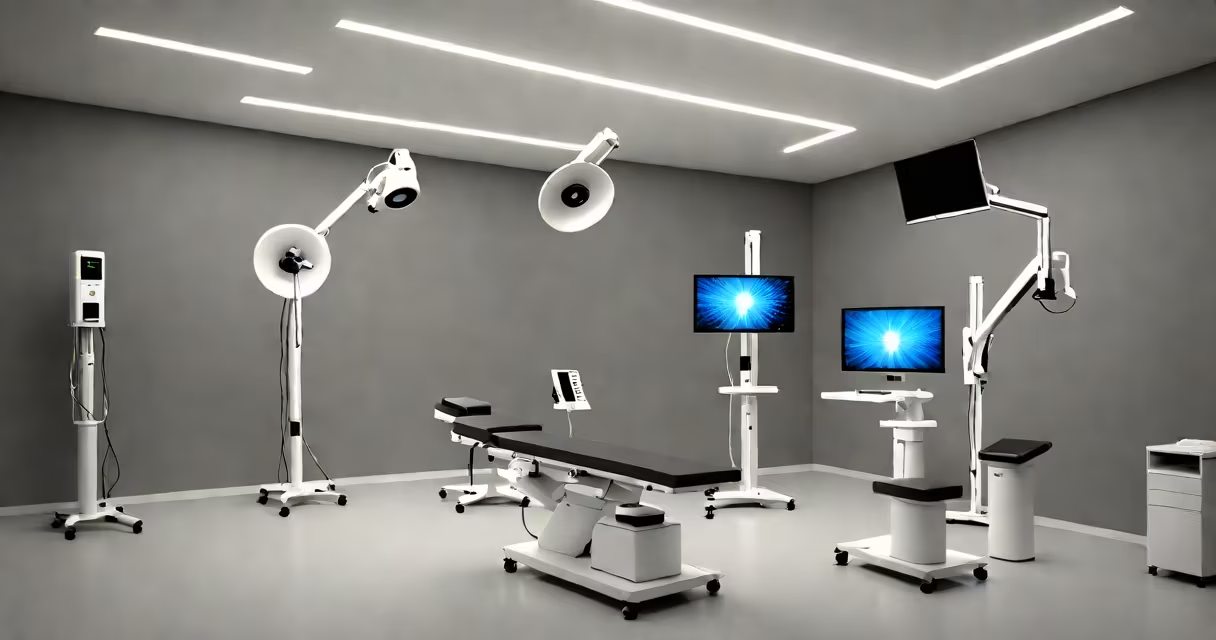
Radiology regional Naples refers to a network of accredited medical imaging centers located in the Naples area that provide diagnostic imaging services such as X-rays, CT scans, MRIs, and ultrasounds under the supervision of board-certified radiologists.
These facilities operate within a coordinated system to ensure consistent quality, rapid turnaround times, and access to advanced imaging technologies. They serve both primary care providers and specialists who require detailed internal images for diagnosis and treatment planning.
Unlike standalone clinics, radiology regional Naples centers often share infrastructure, protocols, and reporting standards across multiple locations. This integration improves consistency in image interpretation and supports continuity of care for patients moving between facilities.
When a physician orders an imaging test, the patient is referred to a designated radiology regional Naples center. The facility schedules the exam based on urgency and availability. During the procedure, trained technologists operate the imaging equipment-such as a 3T MRI scanner or dual-energy CT machine-while ensuring patient safety and image clarity.
After acquisition, the images are sent securely to a central reading hub where a radiologist reviews them. Radiologists in this network typically hold certifications from the American Board of Radiology (ABR) and may specialize in areas like musculoskeletal, neuroradiology, or abdominal imaging.
Findings are compiled into a formal report, which is delivered electronically to the referring provider within 24-48 hours for most routine exams. Critical findings are communicated immediately via phone or secure messaging.
Regional networks in Naples offer several types of imaging services tailored to clinical needs:
| Service Type | Use Cases | Typical Equipment | Specialty Focus |
|---|---|---|---|
| CT Scan | Emergency trauma, lung nodules, stroke evaluation | 64-slice or dual-source CT | Neuro, vascular, thoracic |
| MRI | Brain tumors, joint injuries, spinal disorders | 3T MRI with advanced sequences | Neuroradiology, orthopedic |
| Ultrasound | Pregnancy monitoring, liver disease, thyroid nodules | Color Doppler, elastography | Abdominal, breast, vascular |
| Fluoroscopy | Barium swallow, joint injections, GI motility studies | Mobile C-arm or digital fluoroscope | Gastrointestinal, interventional |
Each service type requires specific training and accreditation. For example, MRI exams involving contrast agents must follow guidelines set by the American College of Radiology (ACR), which mandates annual quality control checks and staff certification.
A key distinction many patients miss: not all imaging centers have radiologists on-site during procedures. In radiology regional Naples systems, radiologists often interpret scans remotely using PACS (Picture Archiving and Communication Systems), allowing faster access to expertise even in off-hours.
Some assume that "regional" implies lower quality or less oversight. This is incorrect. Regional networks in Naples are typically accredited by the ACR and meet national standards for radiation dose management, image resolution, and reporting accuracy.
Another misconception is that all imaging centers perform the same tests. In reality, regional hubs often specialize. For instance, one center may focus on cardiac MRI while another handles pediatric imaging with child-friendly protocols and sedation support.
One non-obvious fact: regional systems frequently use AI-assisted tools to flag abnormalities before human review. A 2022 study published in Academic Radiology found that AI screening reduced missed pulmonary embolism cases by 37% in high-volume regional networks-without increasing false positives.
In 2023, a 54-year-old woman in Naples presented with persistent right upper quadrant pain. Her primary care doctor ordered an ultrasound through a radiology regional Naples partner center. The sonographer detected a 1.2 cm polyp in her gallbladder.
The image was uploaded to the regional PACS system. Within 90 minutes, a radiologist specializing in abdominal imaging reviewed the study and noted features suggestive of adenomatous polyps-those with higher cancer risk. The report recommended follow-up MRI with fat-suppression sequences to assess for malignancy.
Based on this result, the patient underwent a laparoscopic cholecystectomy. Pathology confirmed a benign adenoma. Without the centralized workflow and specialist review enabled by the regional model, the diagnosis might have been delayed or misclassified.
Patients benefit from faster access to accurate diagnoses. Referring physicians gain confidence in results because reports are standardized and backed by peer-reviewed protocols. Hospitals and insurers see reduced duplication of tests and fewer unnecessary interventions.
For example, a 2021 audit by the Florida Health Quality Improvement Organization showed that regional imaging networks reduced repeat CT scans by 28% compared to independent clinics, primarily due to better initial image quality and clearer reporting.
When choosing a provider, look for accreditation status. The ACR website lists all approved imaging centers in Florida. Verify that the facility performing your test is listed under "Accredited Facilities" and that the interpreting radiologist holds current certification.
For conditions involving the gallbladder, such as suspected polyps, gallbladder polyp radiology involves targeted ultrasound and sometimes MRI to assess size, shape, and composition. These details determine whether surgical removal is needed.
Always confirm that your imaging is performed at a site affiliated with a recognized regional network. This ensures continuity, adherence to national standards, and access to subspecialty expertise when required.