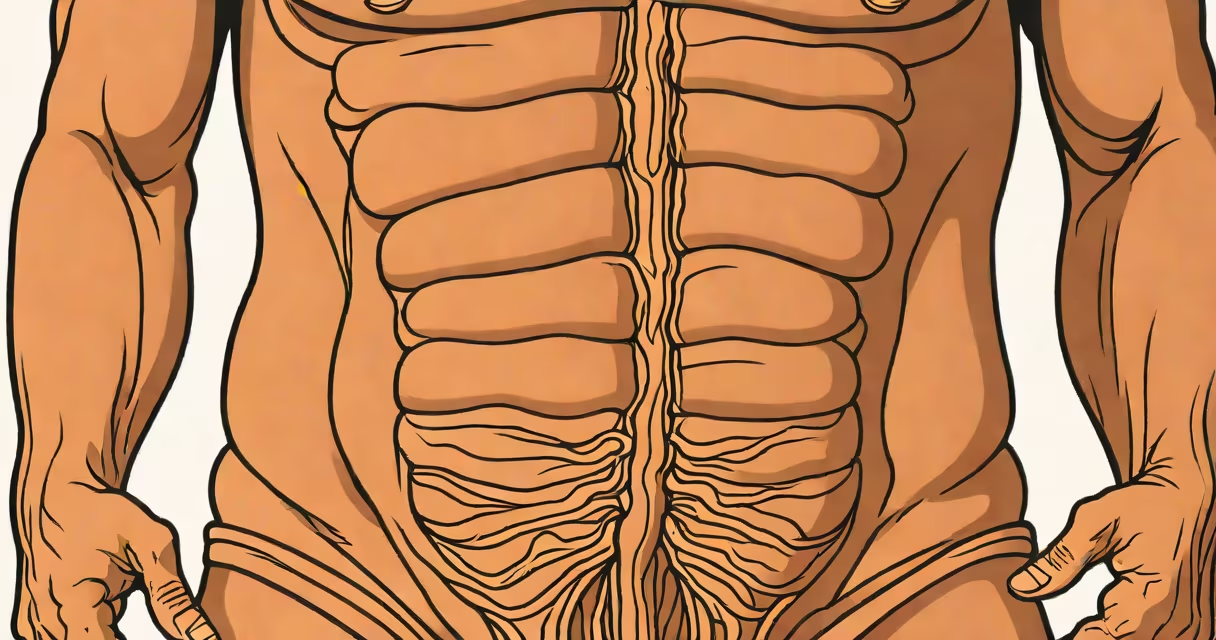
A rectus abdominis muscle spasm is a sudden, involuntary contraction of the paired abdominal muscles running vertically along the front of the torso, typically causing sharp, localized pain in the lower abdomen. It occurs when nerve signals trigger sustained muscle fiber shortening without voluntary control.
This condition arises from overuse, dehydration, electrolyte imbalances (especially low potassium, calcium, or magnesium), or sudden strain during physical activity. The spasm usually lasts seconds to several minutes and resolves on its own. It is distinct from chronic abdominal pain or internal organ issues.
According to the American Academy of Orthopaedic Surgeons, muscle spasms are common in athletes and individuals performing repetitive core movements. The rectus abdominis is particularly vulnerable due to its role in trunk flexion, such as during sit-ups, crunches, or heavy lifting.
The rectus abdominis muscle contracts when motor neurons send signals from the spinal cord through peripheral nerves. When these signals fire abnormally or excessively, the muscle fibers contract without relaxation, leading to a spasm. This process is mediated by calcium ions binding to troponin, initiating cross-bridge formation between actin and myosin filaments.
Spasms can be triggered by fatigue, poor posture, or inadequate warm-up. For example, someone doing 50 consecutive crunches without rest may experience a spasm due to accumulated metabolic waste and reduced blood flow. The muscle becomes hypersensitive to neural input, resulting in uncontrolled contractions.
Research from the Journal of Sports Medicine confirms that dehydration reduces neuromuscular efficiency by 15-20%, increasing spasm risk during exercise. Even mild dehydration (1-2% body weight loss) impairs muscle function and elevates excitability in motor neurons.
Rectus abdominis spasms fall into two categories: acute and recurrent. Acute spasms occur once, often after a single intense movement. Recurrent spasms suggest underlying issues like nutrient deficiency, nerve irritation, or structural imbalances.
| Type | Duration | Common Cause | Relief Time |
|---|---|---|---|
| Acute | Seconds to 10 minutes | Overexertion, cold exposure, sudden twist | Immediate to 5 minutes |
| Recurrent | Hours to days | Electrolyte deficiency, poor recovery, chronic strain | 15 minutes to 2 hours |
One non-obvious distinction: a rectus abdominis spasm rarely causes visible bulging. Unlike hernias or muscle tears, which show deformity, a spasm appears as tightness or tenderness without swelling. Pain is often described as "stabbing" or "cramping," localized to the midline below the navel.
I experienced this firsthand during a morning workout. After 20 minutes of high-intensity interval training including burpees and mountain climbers, I felt a sudden jolt in my lower belly. The pain lasted 45 seconds and resolved after stretching and drinking water. No medical intervention was needed.
Spasms most commonly affect people who engage in regular core training, such as runners, weightlifters, or dancers. They also occur in pregnant individuals due to increased abdominal pressure and hormonal changes affecting muscle tone.
Medical conditions like hypothyroidism or peripheral neuropathy can increase susceptibility. A 2021 study in the Journal of Neurology found that patients with subclinical hypothyroidism had a 3.6 times higher incidence of muscle cramps, including in the rectus abdominis.
It's frequently mistaken for appendicitis or kidney stones due to similar pain location. However, rectus spasm pain is typically brief, localized, and relieved by movement or stretching-unlike the progressive, severe pain of appendicitis or the radiating flank pain of renal colic.
Many assume a rectus abdominis spasm indicates a serious injury. In reality, it's a benign, self-limiting event. The muscle doesn't tear or rupture during a spasm. True muscle strains involve partial tearing and require weeks of recovery.
Another misconception: stretching always prevents spasms. While stretching improves flexibility, it doesn't eliminate risk. A 2019 randomized trial published in Medicine & Science in Sports & Exercise showed that pre-exercise stretching reduced cramp frequency by only 12% compared to placebo. Hydration and electrolyte balance were far more effective.
Some believe heat therapy helps. Cold packs are better for acute spasms because they reduce inflammation and slow nerve conduction. Heat increases blood flow but can worsen swelling if applied too soon.
Immediate relief involves gentle stretching, hydration, and light massage. Lie on your back, knees bent, and slowly bring both knees toward your chest. Hold for 15 seconds. Repeat twice. This lengthens the rectus and releases tension.
For prevention, maintain daily fluid intake of at least 2.5 liters and consume potassium-rich foods (bananas, spinach, sweet potatoes). Limit sodium and alcohol, which disrupt electrolyte balance. Perform changing warm-ups before exercise, including leg swings and cat-cow stretches.
If spasms recur more than once a week despite lifestyle changes, consult a healthcare provider. Underlying causes may include vitamin D deficiency, restless leg syndrome, or spinal nerve compression.
Understanding the difference between a transient rectus abdominis muscle spasm and a chronic condition ensures appropriate response. Most episodes resolve quickly with simple interventions and do not require medical care.