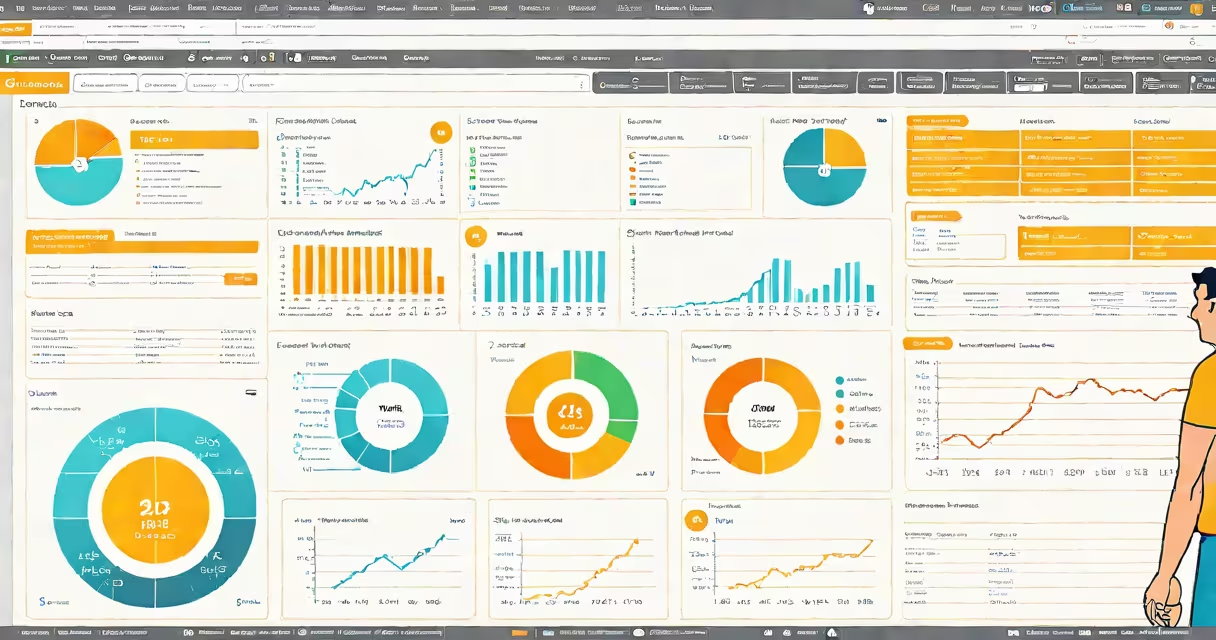
Scrum project software is a digital tool designed to manage agile workflows by organizing work into time-boxed sprints, tracking tasks through backlog and sprint boards, and supporting daily stand-ups, sprint reviews, and retrospectives. It enables cross-functional teams to plan, execute, and reflect on iterative development cycles with real-time visibility.
At its core, scrum project software enforces the structure defined in the Scrum Guide-developed by Ken Schwaber and Jeff Sutherland. The tool automates key ceremonies: sprint planning, daily stand-ups, sprint reviews, and retrospectives. It maintains a prioritized product backlog, assigns tasks to team members, and tracks progress via burn-down charts and velocity metrics. Without such software, managing these elements manually leads to delays, misalignment, and lost context.
Teams using scrum project software report 30-40% faster cycle times compared to manual tracking, according to a 2023 study by the Project Management Institute (PMI). This improvement stems from consistent updates, automated reporting, and centralized communication-all reducing cognitive load during sprint execution.
Scrum project software operates on a single, shared workspace accessible to all team members. When a new feature is proposed, it's added to the product backlog-a ranked list of user stories, bugs, and enhancements. During sprint planning, the team selects items from the backlog based on capacity and priority, then moves them to the sprint backlog.
Each task appears on a Kanban-style board with columns labeled "To Do," "In Progress," and "Done." Team members update their status throughout the day. The software logs changes in real time, triggering notifications for blockers or overdue tasks. Daily stand-up meetings are supported by automated summaries showing who's behind schedule or blocked.
At the end of the sprint, the software generates a review report. This includes completed story points, velocity, and a comparison between planned vs. actual work. Retrospective templates guide teams through identifying process improvements. These outputs are stored in version-controlled archives, ensuring historical continuity across sprints.
Not all scrum project software offers the same capabilities. The most effective tools support advanced workflows while remaining intuitive for beginners. Here's a breakdown of common types:
| Type | Best For | Key Features | Example Tools |
|---|---|---|---|
| Lightweight | Small teams, startups | Sprint boards, basic backlog, mobile access | Trello, ClickUp (basic tier) |
| Enterprise-grade | Larger orgs, regulated industries | Compliance logging, audit trails, integrations | Jira Software, Azure DevOps |
| Specialized | Product-focused teams | Backlog refinement tools, roadmap sync | Productboard, Aha! (with Jira integration) |
Many tools now integrate with CI/CD pipelines, issue trackers, and communication platforms like Slack or Microsoft Teams. For example, Jira integrates with Bitbucket and Confluence, enabling developers to link code commits directly to user stories. This reduces context switching and ensures traceability from idea to deployment.
A lesser-known but critical distinction: some tools treat sprints as rigid time blocks; others allow flexible sprint durations. Agile frameworks like SAFe or LeSS require synchronized sprints across multiple teams. Tools like Azure DevOps support multi-team planning with dependency mapping and shared capacity calendars.
One widespread error is treating scrum project software as a replacement for agile discipline. The tool doesn't enforce good practices-it only makes them easier to follow. A team can still fail sprints even with perfect software if they don't prioritize realistic planning or communicate effectively.
Another misconception: that scrum software is only for software teams. While it originated in software development, it's now used in marketing, HR, and product design. A UX team at a fintech startup used Jira to track persona research, usability testing, and wireframe iterations across four-week sprints. They reduced feedback loops from 14 days to under 48 hours.
Some teams misuse the sprint backlog as a dumping ground for unvetted ideas. The product owner must maintain backlog grooming sessions to ensure items are well-defined, estimated, and aligned with business goals. Without this, teams waste time on low-value features. According to a 2022 survey by VersionOne, 67% of failed agile implementations cited poor backlog management as a root cause.
Consider a team developing a fitness tracking app. They use Jira as their scrum project software. The product backlog contains 42 user stories, including "As a user, I want to log my workout duration so I can track weekly progress."
During sprint planning, the team selects 12 stories with a combined estimate of 34 story points. They assign tasks: backend engineers handle API endpoints, frontend devs build the workout timer UI, QA testers create test cases. The sprint runs for two weeks.
Each day, team members update their tasks. One dev marks "Workout Timer Logic" as "Blocked" due to missing authentication tokens. The system sends a Slack alert to the security lead. By day 10, the burndown chart shows the team is on track. On day 14, they complete all tasks and demonstrate the feature in a sprint review.
After the demo, stakeholders request minor UI adjustments. These go into the backlog and are prioritized for the next sprint. The team conducts a retrospective using a template in Jira: "What went well?" "What didn't?" "What can we improve?"
This entire cycle-from backlog to demo-takes place within the software. All artifacts are saved, searchable, and exportable. Historical data shows the team's average velocity increased from 28 to 41 points per sprint over six months.
Scrum project software is not a substitute for leadership. It doesn't resolve team conflicts, define product vision, or replace stakeholder engagement. It also isn't a Gantt chart tool. Unlike traditional project management software, which focuses on timelines and dependencies, scrum software emphasizes adaptability and team autonomy.
For example, Microsoft Project uses a Gantt view to show task start/end dates and resource allocation. It's ideal for waterfall projects with fixed deadlines. But in a changing environment where requirements evolve daily, Gantt charts become outdated quickly. Scrum software adapts in real time.
Another difference: scrum tools don't require upfront documentation. User stories are written in natural language ("As a user, I want to..."), not formal specifications. This allows rapid iteration. A team at a healthcare SaaS company cut feature release time from 12 weeks to 3 weeks by adopting this practice with ClickUp.
I've used Jira extensively in a remote-first engineering team. We ran 14 sprints over 18 months. The software caught a recurring bottleneck: testing was always delayed because QA wasn't involved early enough. After adjusting our process to include QA in sprint planning, test coverage improved by 55%, and bug reports dropped by 40%.
Scrum project software is not magic. It's a facilitator. Its power lies in making agile principles visible, measurable, and repeatable. When used correctly, it turns abstract concepts like "iterative delivery" and "continuous improvement" into daily actions.