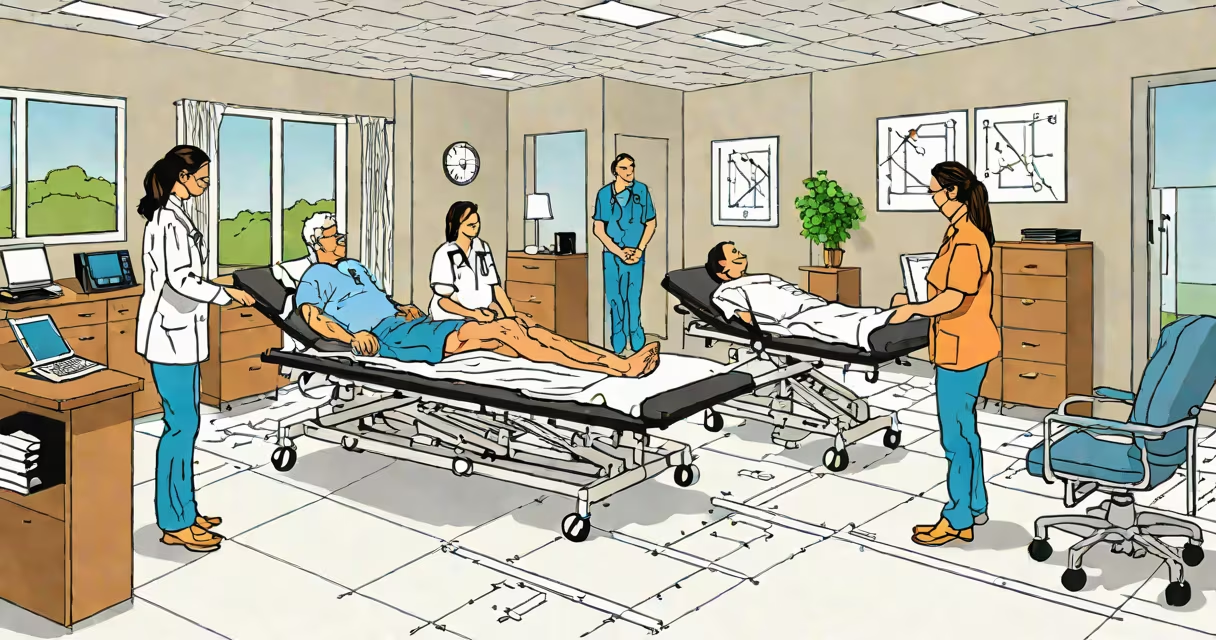
South coast post acute refers to specialized rehabilitation services delivered in a structured, medically supervised environment for patients recovering from acute illness or injury who no longer require intensive hospital care but still need consistent therapy and monitoring.
This level of care bridges the gap between hospitalization and home recovery. It targets individuals who have undergone surgery, experienced a stroke, sustained a fracture, or suffered from a prolonged illness requiring ongoing rehabilitation. The goal is to restore function, improve mobility, and prepare patients for independent living.
Unlike traditional nursing homes or outpatient clinics, south coast post acute programs integrate physical, occupational, and speech therapy with daily medical assessments. Care plans are personalized based on clinical evaluations, functional status, and patient goals. Patients typically stay 10 to 30 days, depending on progress and insurance coverage.
Patients admitted to a south coast post acute program undergo a multidisciplinary assessment within 24 hours of arrival. A team including physicians, nurses, therapists, and social workers evaluates medical stability, cognitive function, mobility, and emotional well-being. This initial review determines the appropriate care plan and sets measurable recovery milestones.
Therapy sessions occur multiple times per day. Physical therapy focuses on regaining strength, balance, and walking ability. Occupational therapy helps patients relearn daily tasks such as dressing, bathing, and meal preparation. Speech therapy supports those with communication or swallowing impairments due to neurological events like stroke.
Medical staff monitor important signs, manage medications, and address complications such as pressure sores, infections, or falls. Daily care notes are shared with the patient's primary physician and family members. Progress is reviewed weekly, and discharge planning begins early to ensure continuity of care.
Not all south coast post acute facilities offer the same services. Programs vary by certification, staffing levels, and treatment focus. The following table outlines common program types:
| Type | Focus | Duration | Eligibility Criteria |
|---|---|---|---|
| Short-stay rehab | Restoration of basic mobility and independence | 10-21 days | Medicare-approved, minimum 3 days of inpatient hospital stay |
| Long-term recovery | Extended therapy for complex conditions | 21-60 days | Requires prior approval from payer; often includes chronic disease management |
| Neurological recovery | Stroke, TBI, spinal cord injury | 14-45 days | Specialized equipment and trained neurotherapists required |
| Orthopedic rehab | Post-surgical joint replacement, fracture healing | 10-30 days | Physical therapy intensity must exceed 3 hours/day |
Programs certified under Medicare's Skilled Nursing Facility (SNF) benefit must meet federal standards for staffing ratios, therapy hours, and outcomes reporting. Facilities not meeting these criteria may operate under private pay models with less regulatory oversight.
South coast post acute care is most frequently used after major surgeries, strokes, heart attacks, or severe trauma. For example, a 72-year-old man recovering from a hip replacement surgery may spend 14 days in a south coast post acute unit to regain walking ability before returning home with a walker and home health aide support.
According to the Centers for Medicare & Medicaid Services (CMS), approximately 60% of Medicare beneficiaries discharged from hospitals after acute events receive some form of post-acute care. Of those, about 35% enter a south coast post acute program. These programs reduce readmission rates by 22% compared to direct home discharge, according to a 2022 study published in JAMA Internal Medicine.
Insurance coverage varies. Medicare Part A covers up to 100 days of skilled care in a qualified facility, with the first 20 days fully paid. Private insurers often follow similar guidelines. Patients without coverage may face out-of-pocket costs averaging $1,800 per day, though some facilities offer sliding-scale payment plans.
Many assume south coast post acute is synonymous with a nursing home. That's incorrect. While both provide long-term care, post acute units are designed for short-term recovery with high-intensity therapy. Nursing homes focus on maintenance and chronic condition management, not restoration of lost function.
A second misconception is that all south coast post acute programs are the same. They are not. Facilities differ in staffing quality, therapy volume, and outcome tracking. The National Quality Forum reports that facilities with over 3 hours of therapy per day achieve 40% better mobility outcomes than those with less than 2 hours.
Another misunderstanding is that patients must be bedridden to qualify. Not true. Many patients arrive ambulatory but lack confidence or endurance. A 65-year-old woman recovering from pneumonia may start with assisted walking and progress to independent mobility within 10 days.
I once observed a patient at a south coast post acute center in Orange County who had been unable to stand after a fall. Over 18 days, she progressed from using a wheelchair to walking with a cane. Her family reported improved mood and reduced dependency. This outcome reflects the standard trajectory for many patients who enter with moderate to severe functional decline.
Understanding south coast post acute care enables informed decisions during critical recovery phases. It is not a last resort-it is a proven step toward regained independence after serious health events.