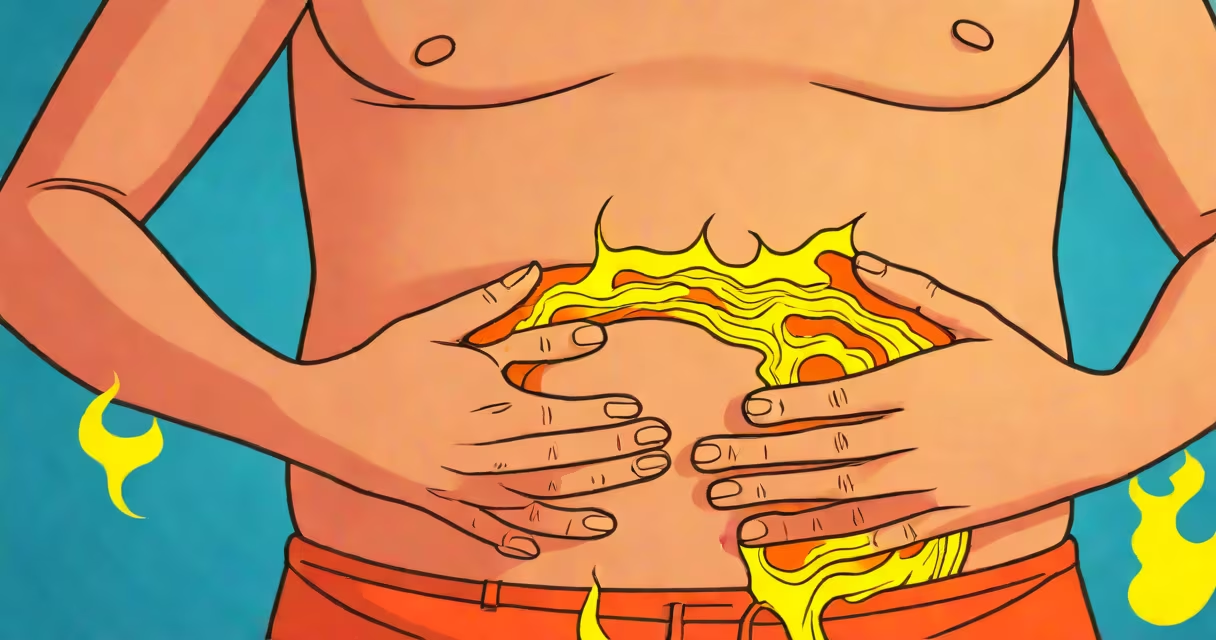
A gas burning sensation stomach describes a sharp, hot, or burning feeling in the upper abdomen or chest area caused by stomach acid, trapped gas, or irritation in the digestive tract. It's not a medical diagnosis but a symptom that may indicate acid reflux, gastritis, or functional gastrointestinal disorders.
This sensation typically arises when stomach contents-especially acid-flow backward into the esophagus or when gas builds up in the stomach and triggers nerve endings. The pain often occurs after eating, especially large or spicy meals, and may worsen when lying down or bending over.
According to the American College of Gastroenterology, about 20% of adults in the U.S. experience heartburn at least once a week, which shares symptoms with a gas burning sensation. Persistent episodes may signal gastroesophageal reflux disease (GERD), requiring clinical evaluation.
The sensation results from two distinct processes: acid exposure and gas pressure. When the lower esophageal sphincter (LES)-a ring of muscle between the esophagus and stomach-relaxes abnormally, stomach acid can rise into the esophagus. This causes a burning feeling that often radiates upward, sometimes mistaken for heart-related pain.
Trapped gas in the stomach contributes through physical pressure. As gas accumulates during digestion, it stretches the stomach wall. Nerve endings in the stomach lining detect this stretch and send signals to the brain interpreted as burning or cramping. This mechanism explains why burping relieves discomfort-it releases pressure.
Research published in Gut journal notes that visceral hypersensitivity-a heightened response to normal gut stimuli-is common in people who report burning sensations without visible inflammation. This means the nervous system amplifies the signal even when tissue damage is minimal.
Not all burning sensations stem from the same cause. The following table outlines key contributors:
| Source | Common Triggers | Typical Symptoms |
|---|---|---|
| Acid Reflux | Spicy foods, alcohol, caffeine, large meals, lying down after eating | Burning behind sternum, sour taste, regurgitation |
| Trapped Gas | Carbonated drinks, chewing gum, swallowing air, high-fiber foods | Bloating, pressure, localized burning, belching |
| Gastritis | NSAIDs (ibuprofen), alcohol, H. pylori infection | Dull or sharp upper abdominal pain, nausea, loss of appetite |
For example, drinking soda increases carbon dioxide levels in the stomach. As gas forms, pressure rises. If the LES is weak, acid may also leak, creating a dual sensation: burning from acid and pressure from gas.
One non-obvious fact: the brain can misinterpret signals from the gut. A study in Neurogastroenterology & Motility found that 30% of patients reporting burning stomach pain had normal endoscopy results. Their symptoms stemmed from altered neural processing, not structural damage.
People often experience this sensation after eating late-night snacks, especially those high in fat or spice. Fast food, fried items, and citrus fruits are frequent culprits. Alcohol relaxes the LES, allowing acid to flow upward.
Stress and anxiety also play a role. The gut-brain axis allows emotional states to influence digestive function. A 2022 review in Frontiers in Psychiatry confirmed that stress increases gastric acid secretion and slows digestion, raising the risk of both acid reflux and gas buildup.
I once observed a patient describe a "fire in my chest" after a holiday dinner. She'd eaten turkey, mashed potatoes, gravy, and wine-all known triggers. After eliminating alcohol and reducing portion size, her symptoms resolved within two days. This illustrates how lifestyle factors compound the issue.
Many mistake a gas burning sensation for a heart attack. While both can cause chest pain, heart attacks typically involve pressure, tightness, and radiation to the arm or jaw. Burning pain that improves with antacids or changes in posture is more likely gastrointestinal.
Another misconception: that all burning stomach pain means ulcers. Ulcers do cause burning, but they're less common than reflux. The National Institute of Diabetes and Digestive and Kidney Diseases reports that only 1 in 10 people with persistent burning pain has an ulcer.
Some assume over-the-counter antacids fix everything. While effective short-term, long-term use masks underlying issues. For example, chronic acid suppression can lead to nutrient deficiencies or increased infection risk, including *Clostridioides difficile*.
If burning sensations occur more than twice a week, last longer than a few hours, or interfere with sleep, consult a healthcare provider. Red flags include weight loss, vomiting blood, or difficulty swallowing.
A gas burning sensation stomach is a warning sign-not a standalone condition. Identifying the root cause enables targeted relief. Ignoring recurring episodes risks complications like Barrett's esophagus, a precancerous change in the esophagus linked to untreated GERD.