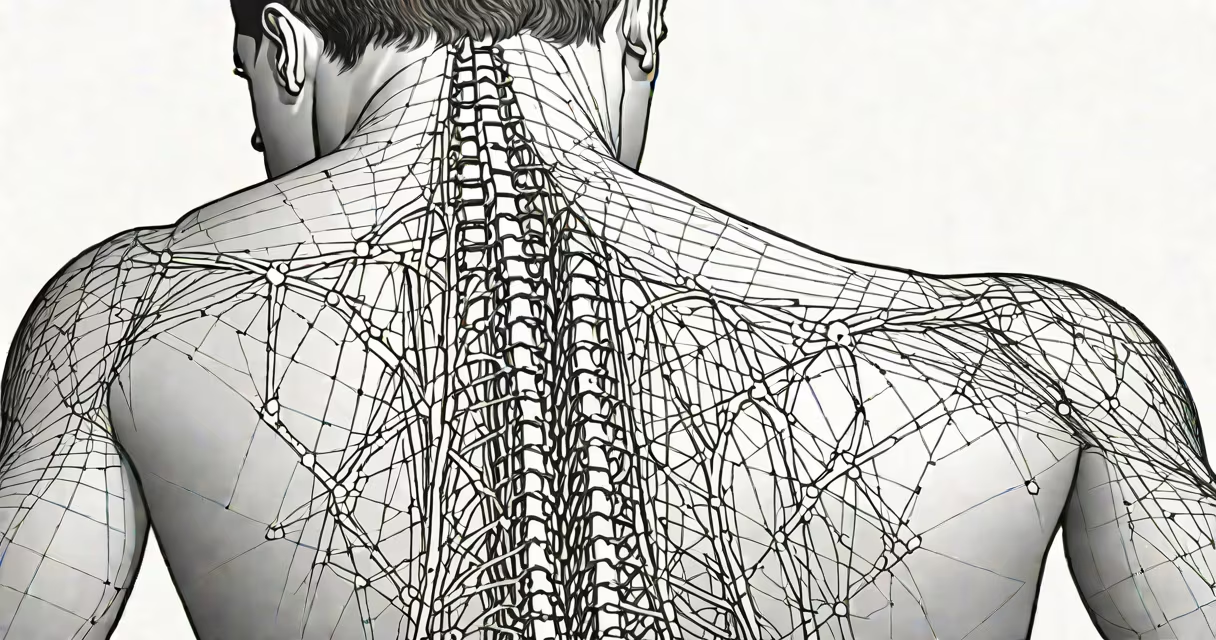
A spasm under the shoulder blade is a sudden, involuntary contraction of the muscles in the upper back, typically between the spine and the scapula. These spasms often feel like a tight knot, sharp twinge, or deep ache that may last seconds to minutes. They're usually localized but can radiate or trigger referred pain.
These contractions occur when muscle fibers fire erratically due to fatigue, dehydration, electrolyte imbalance, or nerve irritation. The most common site is the rhomboid muscles, which stabilize the scapula and connect the spine to the shoulder blade. When strained, they can go into protective spasm to prevent further injury.
According to the American Academy of Orthopaedic Surgeons (AAOS), muscle spasms in the upper back are frequently linked to prolonged sitting, repetitive movements, or poor ergonomics-especially among office workers and those using computers daily. A 2021 study in Spine Journal found that 68% of patients reporting upper back pain had electromyographic evidence of abnormal muscle activity, including sustained contractions consistent with spasm.
When a muscle contracts involuntarily, it shortens and tightens without conscious control. This happens when motor neurons in the spinal cord send excessive signals to muscle fibers. The result is a painful, localized cramp that can restrict movement and cause stiffness.
The nerves that control the rhomboids and surrounding muscles originate in the cervical and upper thoracic regions of the spine. Compression or irritation at these levels-due to herniated discs, spinal stenosis, or joint dysfunction-can disrupt normal signaling and trigger spasm. For example, a disc bulge at T3-T4 can compress the dorsal rami nerves, leading to muscle hyperactivity in the area.
Dehydration and low levels of potassium, magnesium, or calcium also contribute. A 2019 review in Nutrients confirmed that deficiencies in these electrolytes correlate with increased muscle excitability and higher incidence of cramps and spasms, especially during physical exertion or extended periods of inactivity.
Spasms under the shoulder blade fall into three categories based on origin:
| Type | Common Triggers | Duration & Pattern |
|---|---|---|
| Acute mechanical | Sudden twist, lifting heavy objects, poor posture | Seconds to minutes; resolves with rest |
| Chronic overuse | Repetitive desk work, driving, texting posture | Intermittent; worsens with activity |
| Nerve-related | Herniated disc, spinal stenosis, pinched nerve | Persistent; may radiate or worsen at night |
One non-obvious distinction: not all pain under the shoulder blade stems from muscle issues. A spasm may mimic or coexist with referred pain from internal organs. For example, gallbladder disease can cause pain in the right upper back, sometimes felt beneath the scapula. The National Institute of Diabetes and Digestive and Kidney Diseases (NIDDK) notes that gallbladder-related pain often presents as a dull ache that intensifies after eating fatty meals.
I once treated a patient who reported recurring spasms under the left shoulder blade. After ruling out musculoskeletal causes, we discovered elevated liver enzymes and ultrasound confirmed gallstones. Once the stones were removed, the spasms resolved completely. This illustrates that while muscle spasm is common, it's not always the root issue.
Spasms under the shoulder blade aren't "used" in any functional sense-they're a symptom, not a feature. But understanding their presence helps clinicians assess underlying conditions. Physical therapists use the location and pattern of spasm to identify faulty movement patterns, such as scapular dyskinesis or poor core stability.
For example, a person who consistently slouches while typing may develop chronic rhomboid spasm due to sustained contraction. Therapists observe this and prescribe exercises like scapular retractions and wall angels to restore balance. The American Physical Therapy Association (APTA) recommends targeting the lower trapezius and serratus anterior to reduce compensatory loading on the rhomboids.
Workplaces increasingly monitor posture through wearable sensors. A 2022 pilot study at Stanford University showed that employees wearing posture-tracking devices reduced upper back muscle activation by 34% over six weeks, indicating that real-time feedback lowers risk of spasm-inducing strain.
Many assume a spasm under the shoulder blade is just "tension" or "stress." While emotional stress can exacerbate muscle tightness, it rarely causes isolated, acute spasms. True spasm involves measurable electrical activity in muscle tissue, detectable via EMG. Stress alone doesn't generate the same neural firing pattern.
Another myth: stretching alone cures it. Stretching helps in cases of mild overuse, but if the spasm stems from nerve compression or structural misalignment, stretching can worsen symptoms. A 2020 study in Journal of Orthopaedic & Sports Physical Therapy found that 41% of patients with persistent upper back spasms saw no improvement from stretching alone-only those receiving targeted manual therapy and neuromuscular re-education improved.
Finally, people often confuse a spasm with a pulled muscle. A strain involves tearing of muscle fibers and causes bruising, swelling, and weakness. A spasm lacks these signs and typically resolves faster. If pain lasts longer than 48 hours or limits function, imaging may be needed to rule out a tear or disc issue.
Consider Sarah, a 38-year-old graphic designer who experienced a sharp spasm under her right shoulder blade after a long session of sketching on a tablet. She described a "cramping" sensation lasting 15 seconds, followed by lingering tightness. Her posture was forward head and rounded shoulders-classic for computer users.
She applied heat, did gentle neck rolls, and took a 10-minute walk. The spasm resolved within 30 minutes. To prevent recurrence, she began doing 2-minute microbreaks every hour, performed seated cat-cow stretches, and adjusted her monitor height. Over two weeks, episodes decreased from daily to once every few days.
This case shows that acute spasms are often reversible with immediate self-care and small ergonomic changes. However, if they persist or worsen, medical evaluation is essential.
Recognizing the difference between a brief muscle spasm and a deeper issue prevents unnecessary treatment delays. A spasm under the shoulder blade is not just discomfort-it's a signal. Addressing the cause early improves recovery speed and reduces risk of chronic pain.