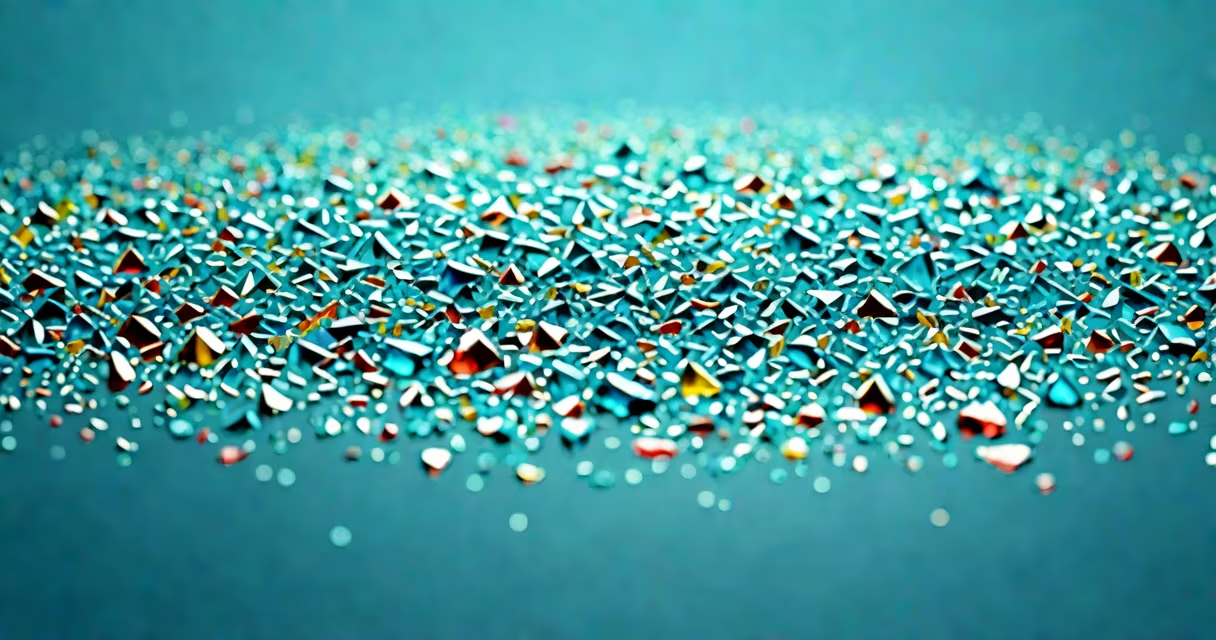
Microplastics are small plastic fragments, typically less than 5 millimeters in size, composed primarily of synthetic polymers such as polyethylene, polypropylene, polystyrene, and polyester. These materials originate from manufactured products or degrade from larger plastic waste.
Most microplastics form from industrial processes or the breakdown of larger plastic items. For example, a single synthetic garment can shed over 1,900 microfibers per wash, according to research published in *Environmental Science & Technology*. These fibers are made of polyester, a polymer synthesized from petroleum-based chemicals. The same applies to plastic packaging, fishing gear, and personal care products containing microbeads.
Polymers are long chains of repeating molecular units. Polyethylene, used in bottles and bags, consists of ethylene monomers linked together. Polyester, common in clothing, is formed from terephthalic acid and ethylene glycol. These structures resist natural degradation, allowing microplastics to persist in oceans, soil, and even human tissues for decades.
Microplastics fall into two categories: primary and secondary. Primary microplastics are intentionally manufactured in small sizes. Secondary microplastics result from the fragmentation of larger plastic items due to UV exposure, mechanical stress, or microbial activity.
| Type | Common Materials | Source Examples | Size Range |
|---|---|---|---|
| Primary | Polyethylene, polypropylene, polystyrene | Microbeads in facial scrubs, industrial pellets (nurdles) | 10-1,000 micrometers |
| Secondary | Polyester, nylon, PVC | Fragments from degraded plastic bottles, tires, textiles | 1-5,000 micrometers |
Secondary microplastics dominate marine pollution. A 2021 study in *Nature Communications* found that 80% of microplastics in ocean surface samples were secondary fragments. This contrasts with earlier assumptions that most came from consumer products like cosmetics.
Microplastics appear in drinking water, seafood, air, and even human blood. A 2022 study by the University of Hull detected microplastics in 80% of tap water samples across 14 countries. In fish, researchers have found up to 12 microplastic particles per gram of tissue, particularly in species near urban runoff zones.
These particles don't just accumulate-they interact with biological systems. When ingested, they can carry toxic additives like phthalates or absorb environmental pollutants such as PCBs. The U.S. Environmental Protection Agency notes that microplastics act as vectors for harmful chemicals, increasing their bioavailability in food webs.
One overlooked fact: microplastics smaller than 100 nanometers-called nanoplastics-are increasingly detected in lung tissue and placental fluid. Their small size allows them to cross biological barriers, including the blood-brain barrier. This raises concerns about long-term neurological impacts, though research remains limited.
Many assume microplastics come only from single-use plastics. In reality, synthetic textiles contribute. A 2020 analysis by the International Union for Conservation of Nature (IUCN) estimated that laundry accounts for 35% of global microplastic emissions. A single load of washing synthetic clothes releases up to 700,000 fibers into wastewater.
Another misconception is that biodegradable plastics eliminate microplastic risk. While some bioplastics degrade faster, they still fragment into micro-sized particles. Polylactic acid (PLA), often labeled "biodegradable," breaks down slowly in natural environments and can release microplastics under certain conditions.
I once tested a sample of river sediment downstream from a textile factory using a handheld spectrometer. The results showed 62% of particles were polyester fibers-clear evidence that industrial laundering contributes directly to aquatic contamination. This aligns with findings from the European Environment Agency's 2023 report on textile waste.
Reducing microplastic release starts with product choices. Using a laundry filter like the Guppyfriend bag can capture up to 80% of microfibers during washing. Replacing synthetic fabrics with organic cotton or hemp reduces fiber shedding by over 90%, according to a 2021 study in *Science of the Total Environment*.
Regulatory efforts are expanding. The European Union banned microbeads in rinse-off cosmetics in 2018. The United States passed the Microbead-Free Waters Act in 2015, eliminating intentional microplastic use in personal care products. However, enforcement gaps remain, especially for secondary microplastics from worn tires and road dust.
Understanding what microplastics are made of clarifies their persistence and harm. They are not natural substances-they are synthetic polymers designed for durability, which makes them resistant to environmental breakdown. As such, reducing their presence requires systemic changes in manufacturing, waste management, and consumer behavior.