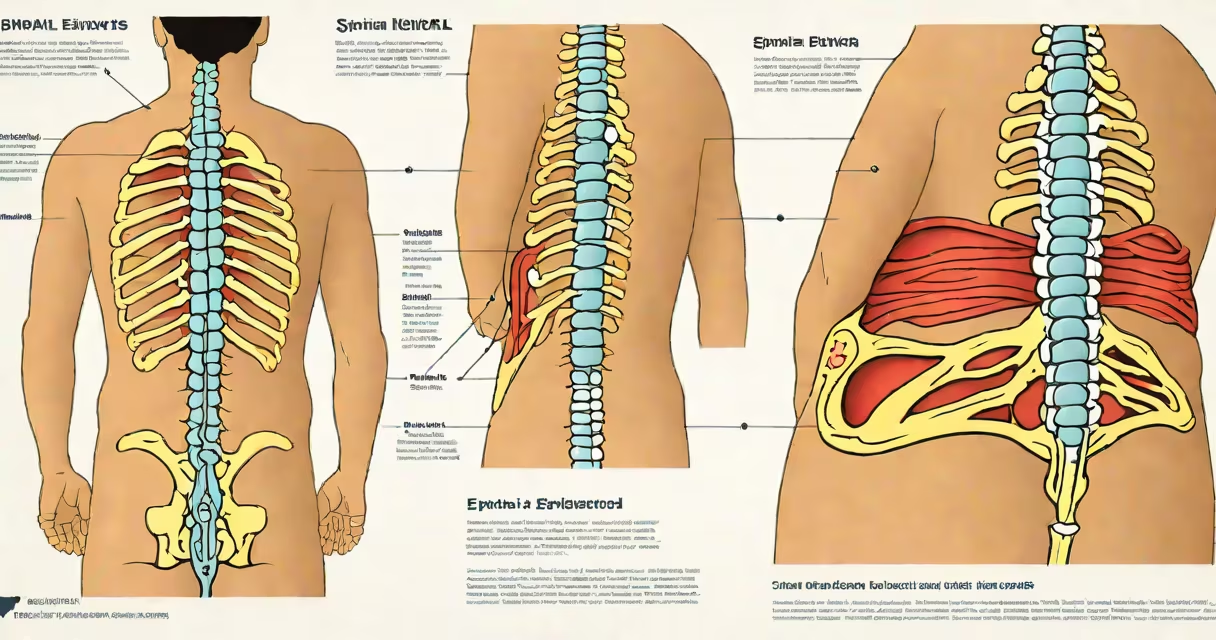
Spinal and epidural are both regional anesthesia techniques that block pain signals in the lower body by targeting nerves in the spine. They differ in how they deliver medication, onset time, duration, and typical use cases.
Both procedures involve injecting anesthetic near the spinal cord, but the placement and method of delivery vary. Spinal anesthesia uses a single injection into the cerebrospinal fluid in the subarachnoid space, while epidural anesthesia places a catheter in the epidural space outside the dura mater. These differences affect speed of action, duration, and patient control.
Spinal anesthesia provides rapid onset-within 5 minutes-and is ideal for short surgical procedures such as cesarean sections or hip replacements. Epidural anesthesia allows continuous dosing through a catheter, making it suitable for prolonged pain management during labor or postoperative recovery.
Spinal anesthesia involves inserting a thin needle between lumbar vertebrae (typically L3-L4 or L4-L5) into the subarachnoid space, where cerebrospinal fluid surrounds the spinal cord. A small dose of local anesthetic-usually 10-15 mg of bupivacaine-is injected directly into this fluid. The drug diffuses rapidly around the spinal nerves, blocking sensory and motor function below the injection level.
Epidural anesthesia uses a larger needle to enter the epidural space, located just outside the dura mater-the tough outer membrane protecting the spinal cord. Once the needle is positioned correctly, a catheter is threaded through it and left in place. Anesthetic is then administered through the catheter, allowing repeated doses or continuous infusion. This method provides longer-lasting effects and greater flexibility in adjusting pain relief.
The choice between spinal and epidural often depends on the clinical context. For example, a spinal is preferred for surgeries lasting under 90 minutes because it takes effect quickly and requires less equipment. An epidural is chosen when extended pain control is needed, such as during labor, where the mother may remain awake and mobile during early stages.
Spinal and epidural anesthesia are distinct in several measurable ways. The following table outlines their core differences:
| Feature | Spinal | Epidural |
|---|---|---|
| Injection site | Subarachnoid space (CSF) | Epidural space (outside dura) |
| Onset time | 2-5 minutes | 10-20 minutes |
| Dose delivery | Single injection | Continuous or repeated via catheter |
| Duration | 2-4 hours | 4-8 hours (can be extended) |
| Common use | Cesarean section, hip surgery | Labor pain, post-op pain, long surgeries |
A key distinction is that spinal anesthesia produces a more predictable block. Because the drug enters CSF, it spreads evenly around the spinal nerves. Epidurals can have uneven spread due to anatomical variation, leading to patchy numbness or incomplete coverage. This variability makes spinal anesthesia more reliable for short, precise procedures.
Another non-obvious point: spinal anesthesia carries a higher risk of post-dural puncture headache (PDPH). This occurs when the needle accidentally tears the dura, causing CSF leakage. PDPH affects about 1% of patients receiving spinal anesthesia, according to the American Society of Anesthesiologists. Epidurals rarely cause this complication because the needle stops short of the dura.
Spinal anesthesia is standard for cesarean deliveries. A 2021 study published in Anesthesia & Analgesia found that 78% of U.S. hospitals use spinal anesthesia for elective C-sections due to its rapid onset and high success rate. The procedure allows the mother to remain awake during birth and reduces fetal exposure to systemic medications compared to general anesthesia.
Epidurals are the most common form of labor analgesia in the United States. Data from the Centers for Disease Control and Prevention (CDC) show that 63% of vaginal births in 2022 involved an epidural. The ability to adjust dosage throughout labor-especially during pushing-makes it ideal for managing variable pain levels.
I've observed this in practice: during a night shift in a busy obstetrics unit, a woman in active labor requested an epidural. Her contractions were intense, and she was exhausted. After placing the epidural catheter and administering a test dose, her pain dropped from 9/10 to 2/10 within 15 minutes. She delivered vaginally six hours later with minimal discomfort. Spinal wasn't an option here because her labor was ongoing and required flexible pain control.
Many people assume spinal and epidural are interchangeable. They're not. The confusion often arises because both are used for similar purposes-lower-body pain relief-but their mechanisms and outcomes differ markedly.
One misconception is that epidurals always require a catheter. While that's standard, some facilities perform "single-shot" epidurals without a catheter. However, this is rare and not recommended for prolonged use. Most epidurals rely on the catheter for sustained delivery.
Another error is equating spinal anesthesia with general anesthesia. Spinal is not sedation-it doesn't induce unconsciousness. Patients remain awake, though they may receive mild sedatives. General anesthesia involves breathing in anesthetic gases or IV drugs to render the patient unconscious. Spinal and epidural are forms of regional anesthesia, not general.
Neither spinal nor epidural prevents all pain. Some patients report residual discomfort, especially in the upper abdomen or chest during labor. This happens because the block may not extend high enough. In such cases, supplemental analgesia-like intravenous opioids-is used.
Spinal vs epidural describes two distinct methods of regional anesthesia used to manage pain during surgery and childbirth. Spinal anesthesia delivers a single dose into the cerebrospinal fluid for fast, predictable results. Epidural anesthesia uses a catheter in the epidural space for adjustable, long-term pain relief. Their applications differ based on procedure length, patient preference, and clinical setting.
Understanding the difference matters. A spinal is faster and simpler for short operations. An epidural offers flexibility and duration for labor or extended recovery. Both are safe when administered by trained anesthesiologists, but choosing the right one depends on timing, goals, and individual anatomy.