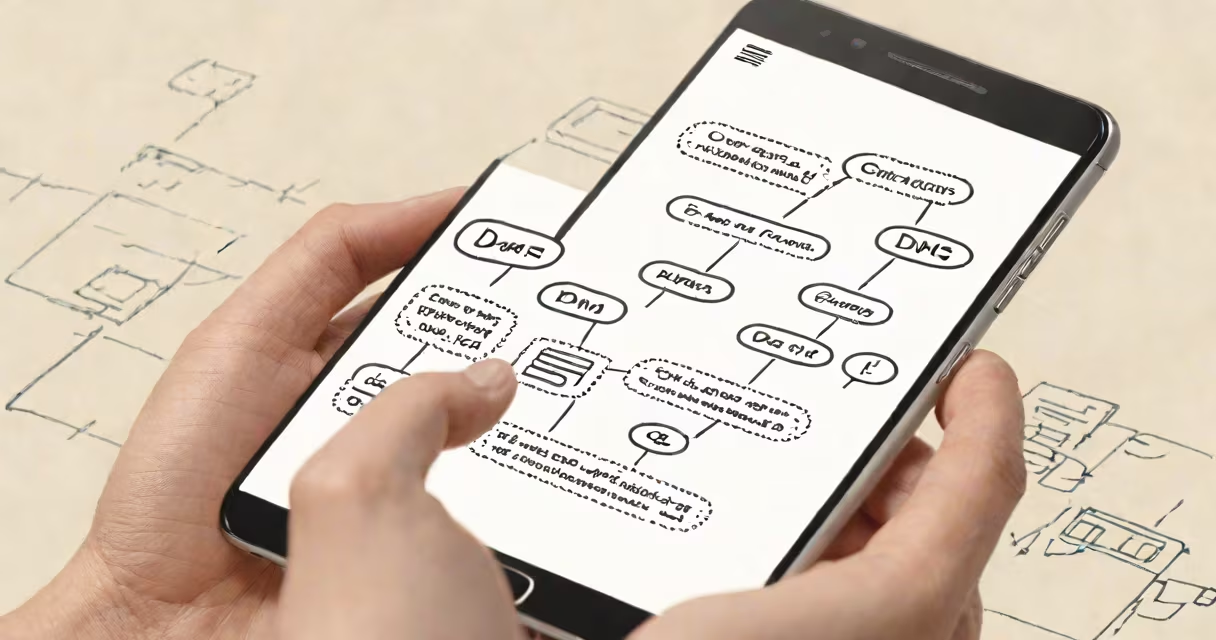
DMS stands for direct messages-private, one-on-one or group conversations on social media platforms such as Instagram, Twitter (now X), Snapchat, and Facebook Messenger. These messages are visible only to the participants and do not appear publicly on profiles or feeds.
Direct messages function as private text-based communication channels. Users send photos, videos, links, and voice notes through them. Unlike public posts or comments, DMs offer confidentiality and control over who sees the content. They're central to personal interaction, customer service, marketing outreach, and even business operations.
For example, a brand might use Instagram DMs to respond to a customer's inquiry about shipping times. The conversation stays private between the user and the company, avoiding public exposure. This functionality is standard across most major social networks and is accessible via mobile apps and web interfaces.
When you send a DM, the message travels through the platform's encrypted server infrastructure. The recipient receives a notification, and the message appears in their inbox. All exchanges are stored locally on the sender's and receiver's devices unless deleted.
Platforms use end-to-end encryption for certain features. For instance, WhatsApp uses end-to-end encryption for all messages, including DMs. On Instagram, DMs are encrypted in transit but not always end-to-end-meaning Meta may access message content under legal requests, according to their privacy policy.
Some platforms allow message expiration. Snapchat, for example, lets users set a time limit (from 1 second to 10 seconds) for photos and videos sent via DM. Once viewed, the content disappears permanently. This feature emphasizes ephemeral communication, reducing long-term data retention.
Direct messages vary based on platform and intended use. Here's how different systems handle DMs:
| Platform | Message Type | Use Case | Privacy Level |
|---|---|---|---|
| Text, photo, video, voice note | Personal chats, influencer outreach, customer support | High (end-to-end encryption for disappearing messages) | |
| Twitter (X) | Text, image, link, video | Public figure engagement, news alerts, private networking | Medium (messages stored on servers; not always end-to-end) |
| Snapchat | Ephemeral images, videos, text | Real-time sharing among friends, casual check-ins | High (content vanishes after viewing) |
| Facebook Messenger | Text, audio, video calls, file sharing | Family coordination, group planning, business chatbots | High (end-to-end encryption available for individual conversations) |
Many brands now use automated DMs via chatbots. A travel agency might send a scheduled DM with a flight deal to users who've engaged with their page. These messages are triggered by user behavior, not manual input, and are often part of larger marketing funnels.
People often assume all DMs are secure or private by default. That's not true. While most platforms protect DMs during transmission, metadata-including timestamps, sender/receiver IDs, and device info-is typically retained by the service provider. This data can be accessed by law enforcement under valid warrants.
Another misconception is that DMs are anonymous. They are not. Your account name, profile picture, and IP address (if tracked) can identify you. Even if you use a pseudonym, platforms can link your activity to your account through login history and device fingerprints.
A key distinction: DMs are not the same as email. While both are private, emails are standardized across providers and often archived. DMs are siloed within each platform. You cannot forward a DM from Instagram to Gmail, nor can you search across multiple platforms' DM histories easily.
In 2023, a small e-commerce store selling handmade jewelry used Instagram DMs to manage customer orders. After a post went viral, 120 people messaged the account asking for pricing and availability. The owner responded individually using saved replies for common questions like "Do you ship internationally?" and "Can I return if it doesn't fit?"
They tracked responses using a spreadsheet, noting which customers followed up and which placed orders. Within one week, 37% of DM responders became paying customers. The business didn't rely on paid ads-just direct engagement through DMs.
This mirrors findings from a 2022 study by Pew Research Center, which found that 57% of adults aged 18-29 use DMs to communicate with businesses. The study emphasized that DMs are increasingly trusted for quick, informal service interactions.
DMS is not a synonym for "message" in general. A comment on a Facebook post is not a DM-even if it's private. A DM requires a dedicated, private thread initiated by the user. Public posts, replies, and group chats aren't classified as DMs unless they're moved into a private conversation.
On a personal note, I once managed a community of 500 artists on Instagram. We used DMs to share feedback, coordinate events, and resolve disputes. When someone posted a copyrighted image, I'd send a DM with a polite request to remove it. Most complied-because the message felt personal, not punitive. That's the power of direct messaging: it turns conflict into conversation.
Understanding what does dms mean is essential for anyone going through digital communication. business operator, knowing how DMs function, what they can do, and what they can't do prevents misunderstandings and strengthens trust.
Direct messages are private, platform-specific, and designed for real-time connection. They're not public, not anonymous, and not interchangeable with other forms of digital communication. But when used intentionally, they become one of the most effective tools for building relationships online.