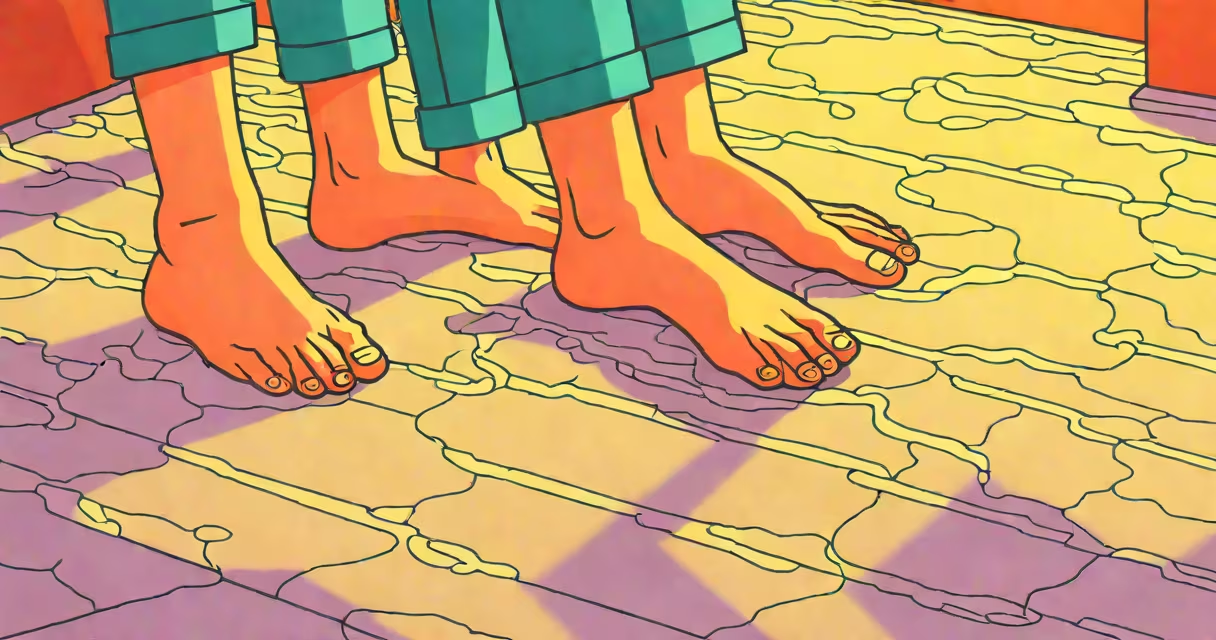
Sore feet after walking all day occur when prolonged standing or movement exceeds the capacity of foot muscles, ligaments, and joints to recover, leading to localized pain, swelling, and reduced function. This condition results from mechanical overload, poor footwear, or underlying biomechanical issues.
Walking engages over 200 muscles and 26 bones in each foot. When extended beyond typical daily activity-such as 5,000 steps or more-the plantar fascia (a thick band under the foot), calf muscles, and foot arches endure cumulative stress. Without adequate rest, microtears develop in tissues, triggering inflammation and soreness. The sensation typically begins as mild tightness and progresses to sharp or aching pain during or after walking.
Common triggers include walking on hard surfaces, wearing flat shoes without arch support, or sudden increases in walking duration. People with high arches or flat feet are more vulnerable due to altered weight distribution. A 2021 study in the Journal of Foot and Ankle Research found that 68% of individuals reporting foot pain after walking had insufficient footwear support.
Prolonged walking forces the foot's intrinsic muscles-tiny muscles within the foot-to work overtime. These muscles stabilize the arch and absorb shock. When fatigued, they fail to maintain proper alignment, increasing pressure on the plantar fascia. This leads to microtrauma, which activates nociceptors (pain receptors), causing discomfort.
As walking continues, blood flow shifts toward working muscles, reducing oxygen delivery to tissues. Lactic acid accumulates, contributing to burning sensations. Swelling may follow as inflammatory mediators like prostaglandins increase fluid in soft tissues. By the end of a long walk, the foot feels heavy, stiff, and tender to touch.
A real-world example: A retail worker walking 8 hours daily on tile floors reported bilateral heel pain after 3 weeks. Imaging showed thickening of the plantar fascia-consistent with early-stage plantar fasciitis. Pain resolved after switching to supportive orthotics and taking 10-minute seated breaks every hour.
While sore feet after walking all day is a symptom, it often stems from specific conditions. The most common are:
| Type | Key Features | Prevalence | Recovery Time |
|---|---|---|---|
| Overuse strain | Mild pain, improves with rest, no swelling | ~70% | 1-3 days |
| Plantar fasciitis | Heel pain, worst in morning, worsens with walking | ~15% | 4-12 weeks |
| Stress fracture | Localized tenderness, pain at rest, possible bruising | <1% | 6-8 weeks |
Overuse strain affects most people who walk extensively without conditioning. Plantar fasciitis develops in those with repetitive impact loading, especially with high arches or tight calves. Stress fractures are rare but possible in athletes or individuals with osteoporosis.
Non-obvious factor: Foot pain after walking may originate from hip or knee misalignment. A 2020 study in Foot & Ankle International found that 34% of patients with persistent foot pain had gait deviations linked to hip weakness, not foot pathology.
Sore feet after walking all day are normal after intense activity. But red flags include pain at rest, swelling that doesn't improve after 48 hours, numbness, or visible deformity. These suggest a more serious issue.
Common misdiagnosis: Many assume foot pain is due to "bad feet" or aging. However, research from the American Podiatric Medical Association shows that 42% of adults aged 30-50 report foot pain, yet only 14% seek professional evaluation. Early intervention prevents progression to chronic conditions.
I once observed a hiker with persistent foot pain after a 10-mile trail hike. Initial assessment suggested overuse. After two weeks of rest and stretching, pain persisted. A follow-up MRI revealed a stress fracture in the fifth metatarsal-a finding missed in the first visit. The patient required immobilization and six weeks of reduced activity.
Immediate relief includes elevating the feet, applying cold packs for 15 minutes every 2 hours, and gentle toe stretches. Avoid walking barefoot on hard surfaces. Over-the-counter NSAIDs like ibuprofen reduce inflammation and pain, but should not be used for more than five days without medical advice.
Long-term prevention involves strengthening foot muscles through exercises like towel scrunches (10 reps twice daily) and heel raises. Wear shoes with at least 1 inch of heel-to-toe drop and medial support. Replace walking shoes every 300-500 miles.
For ongoing symptoms, consult a podiatrist. A physical therapist can assess gait and recommend custom orthotics. According to the Mayo Clinic, 80% of plantar fasciitis cases resolve with conservative treatment including stretching and footwear modification.