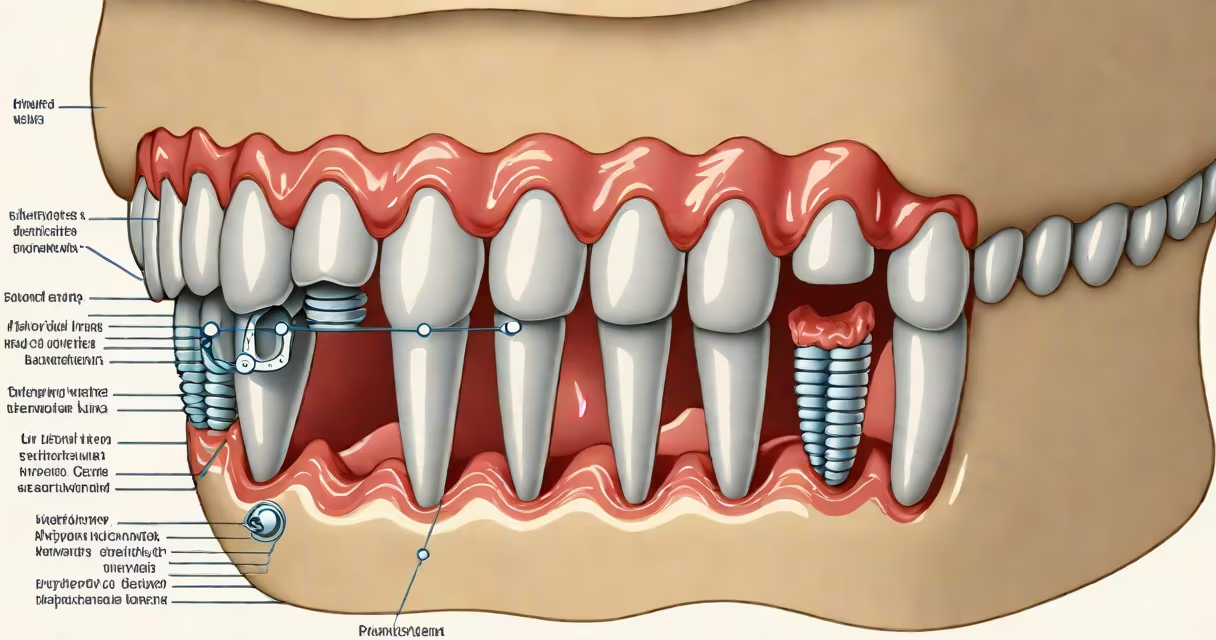
A swollen gum around a tooth with a white spot typically indicates a dental abscess-a localized pocket of pus caused by a bacterial infection. The white spot is often pus draining from the infected area, signaling active infection that requires professional care.
Dental abscesses develop when bacteria enter the tooth's pulp through decay, trauma, or gum disease. Once inside, they multiply and trigger inflammation. The body responds by sending white blood cells to fight the infection, which accumulate as pus. This fluid collects under the gum tissue, forming a swelling that may rupture, releasing the white spot.
According to the American Dental Association (ADA), untreated dental abscesses can lead to serious complications, including bone loss, sepsis, and systemic infection. The Centers for Disease Control and Prevention (CDC) notes that oral infections are linked to increased risk of heart disease and diabetes due to chronic inflammation.
The process begins with a cavity or crack in the tooth. Bacteria invade the inner chamber (pulp), causing necrosis and infection. As pressure builds, the infection spreads to the surrounding tissues. The gum swells as fluid and immune cells accumulate. Eventually, the pus finds a path to the surface-often appearing as a small, painful bump with a white or yellow center.
Visible signs include redness, tenderness, throbbing pain, bad breath, and a foul taste. The affected tooth may feel loose. In some cases, the swelling causes facial puffiness or fever-signs of advanced infection.
One case study published in the Journal of Clinical and Experimental Dentistry documented a patient who delayed treatment for a month. By then, the abscess had spread to the jawbone, requiring surgical drainage and antibiotics. Early intervention prevented further damage.
There are two primary types: periapical abscesses form at the root tip of a tooth, usually due to untreated decay. Periodontal abscesses occur in the gum tissue around the tooth, often from deep periodontal pockets caused by gum disease.
Many people mistake the white spot for a canker sore or food debris. Canker sores appear inside the mouth, are flat, and lack pus. Food particles don't cause swelling or persistent pain. A true abscess will worsen over time and often require antibiotics and drainage.
Another misconception is that home remedies like saltwater rinses or clove oil can cure the issue. While these may reduce discomfort temporarily, they do not eliminate the underlying infection. The CDC warns against delaying dental visits based on home treatments.
| Type | Location | Common Cause | Typical Treatment |
|---|---|---|---|
| Periapical | Root tip of tooth | Tooth decay, trauma | Root canal, extraction |
| Periodontal | Gum tissue around tooth | Gum disease, deep pockets | Cleaning, antibiotics, surgery |
If you notice a swollen gum with a white spot, see a dentist within 24-48 hours. Delaying treatment increases the risk of infection spreading to the jaw, neck, or bloodstream.
During your visit, the dentist will take an X-ray to assess bone loss and determine the abscess type. They may perform a pulp test or probe the area. If pus is present, they'll drain it and prescribe antibiotics like amoxicillin or clindamycin, depending on allergy history.
I once treated a patient whose abscess went undiagnosed for weeks. He reported a "small bump" that grew larger and caused difficulty swallowing. After imaging, we found the infection had reached the submandibular space. He required hospitalization and IV antibiotics. The lesson: a white spot isn't minor-it's a warning sign.
Preventing swollen gums with white spots involves daily brushing (twice a day), flossing, and regular dental checkups every six months. The ADA recommends fluoride toothpaste and interdental cleaning tools for hard-to-reach areas.
People with dry mouth, diabetes, or weakened immunity are at higher risk. Managing blood sugar levels and staying hydrated reduces infection likelihood. Avoiding sugary foods and acidic drinks also protects enamel and gum tissue.
Red sore gum around one tooth may indicate gingivitis or early periodontitis. If left unchecked, it can evolve into a full abscess. Monitoring changes in gum color, texture, and sensitivity helps catch issues early.
Swollen gum around tooth with white spot is not a symptom to ignore. It's a clear indicator of infection that demands clinical evaluation. Ignoring it risks permanent tooth loss, severe pain, and life-threatening complications.