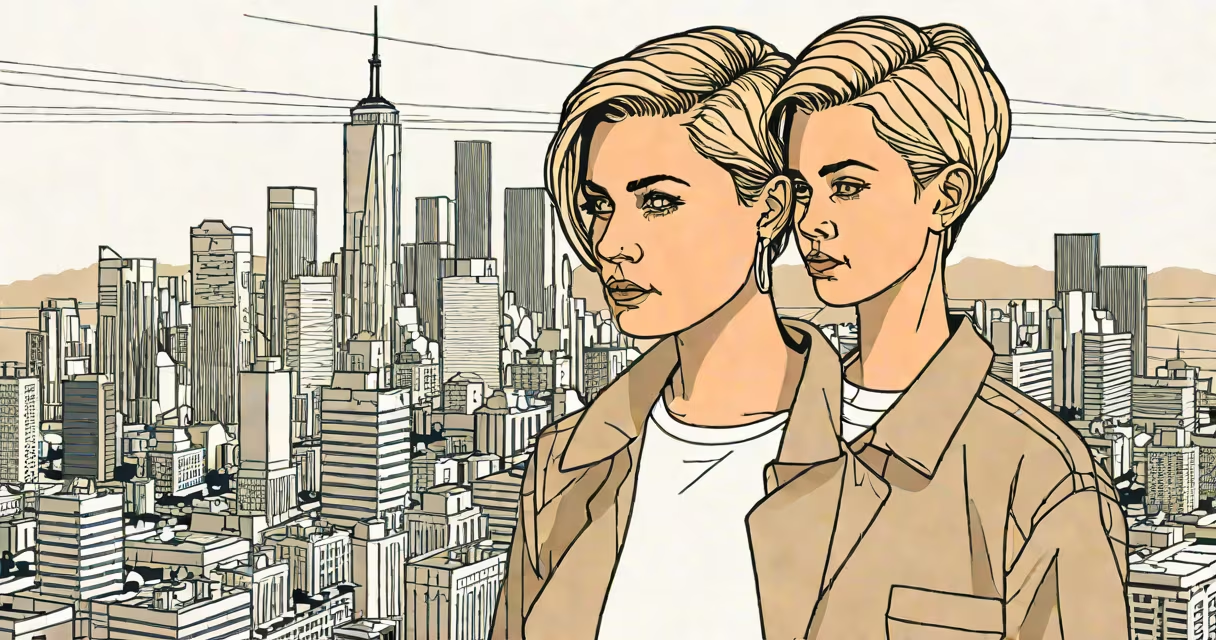
A non binary woman is a person who identifies as a woman but whose gender identity exists outside the traditional male/female binary. This identity acknowledges that gender is not limited to two categories and allows space for diverse experiences of womanhood.
Gender identity is internal and personal. A non binary woman may feel a deep sense of alignment with womanhood while still recognizing that their experience of gender does not match the societal expectations tied to being assigned female at birth. This distinction separates identity from sex assigned at birth and biological sex.
According to the American Psychological Association, gender identity is "a person's internal sense of being male, female, both, neither, or somewhere along the gender spectrum." Non binary women often describe their identity as fluid, expansive, or existing between or beyond conventional categories. The term does not imply a single expression-some non binary women wear feminine clothing, others adopt masculine or neutral styles, and many blend elements.
Non binary identity is not a choice or performance. It is a lived reality for people whose gender does not align with the binary system. This system assumes everyone fits into one of two categories: man or woman. For non binary individuals, including non binary women, this structure fails to reflect their internal experience.
Some non binary women use they/them pronouns exclusively. Others may use she/her, they/them, or a mix depending on context. Pronoun usage varies widely and is deeply personal. A 2022 survey by the National Center for Transgender Equality found that 46% of non binary respondents used they/them pronouns most of the time, while 22% used she/her, and 13% used he/him.
Non binary women may also identify with other labels such as femme, genderqueer, agender, or bigender. These terms describe different aspects of gender experience. For example, a non binary woman might feel feminine in certain contexts but not in others. Their identity is not static-it can shift over time or across settings.
There is no single way to be a non binary woman. Gender expression-the way someone presents themselves through clothing, voice, mannerisms, and appearance-can differ greatly among individuals. Some non binary women present in ways that are traditionally seen as feminine. Others adopt styles associated with masculinity or neutrality. Many reject categorization altogether.
| Identity Type | Description | Example Expression |
|---|---|---|
| Femme non binary woman | Identifies as a woman with a feminine presentation, often using soft features, makeup, or dresses. | Wears skirts, uses she/her pronouns, identifies as a woman. |
| Androgynous non binary woman | Presents with neutral or mixed gender traits, avoiding clear feminine or masculine cues. | Short hair, unisex clothing, uses they/them pronouns. |
| Transfeminine non binary woman | Experiences gender as woman but not fully aligned with cisgender womanhood. | May have undergone hormone therapy, but still identifies outside the binary. |
These expressions are not mutually exclusive. A non binary woman may shift between styles based on environment, mood, or safety. One person might wear a dress at home but choose a hoodie and jeans at work. There is no required aesthetic.
Non binary woman is often confused with transgender woman or gender nonconforming. While there is overlap, the terms are distinct. A transgender woman is someone who was assigned male at birth but lives as a woman. A non binary woman may have been assigned female at birth and still identify as a woman outside the binary.
Another misconception is that non binary identities are new or Western inventions. In fact, many cultures have long recognized gender diversity. The Two-Spirit tradition among some Indigenous nations in North America includes roles that transcend binary gender. Similarly, the hijra community in South Asia has documented gender identities that predate colonialism.
Some assume non binary women are "just trying to be special" or "confused." This reflects a lack of understanding about how gender operates internally. The World Health Organization states that gender identity is a core aspect of human identity and that affirming one's gender reduces mental health risks. Research shows that non binary people face higher rates of depression and anxiety when denied recognition-especially in healthcare and legal systems.
In 2021, Jamie, a 28-year-old artist from Portland, Oregon, began identifying as a non binary woman. Assigned female at birth, Jamie had always felt disconnected from the label "woman" as it was culturally defined. They wore makeup and dresses in early life but never felt authentic. After years of therapy and exploration, Jamie adopted they/them pronouns and began using a gender-neutral name.
"I didn't stop being a woman," Jamie explained during a public talk. "I just realized that womanhood doesn't have to look one way. My identity is valid even if it doesn't match what people expect."
They now use they/them pronouns publicly and have shared their process on social media. Their artwork explores themes of identity, belonging, and visibility. Jamie's story illustrates how non binary womanhood is not a rejection of womanhood-but a redefinition of it.
Understanding what a non binary woman means supports inclusion and reduces harm. When people misgender non binary individuals, it causes psychological distress. A 2023 study published in the journal *LGBTQ+ Health* found that misgendering increased suicidal ideation by 3.2 times among non binary participants.
Respecting pronouns and identities is not performative-it is ethical. Using correct pronouns validates a person's existence. It signals that their identity matters. Even small actions-like asking for pronouns in introductions-create safer spaces.
Non binary woman is not a synonym for transgender or gender nonconforming. It is a specific identity rooted in lived experience, cultural history, and personal truth. Recognizing this difference fosters deeper respect and reduces stigma.