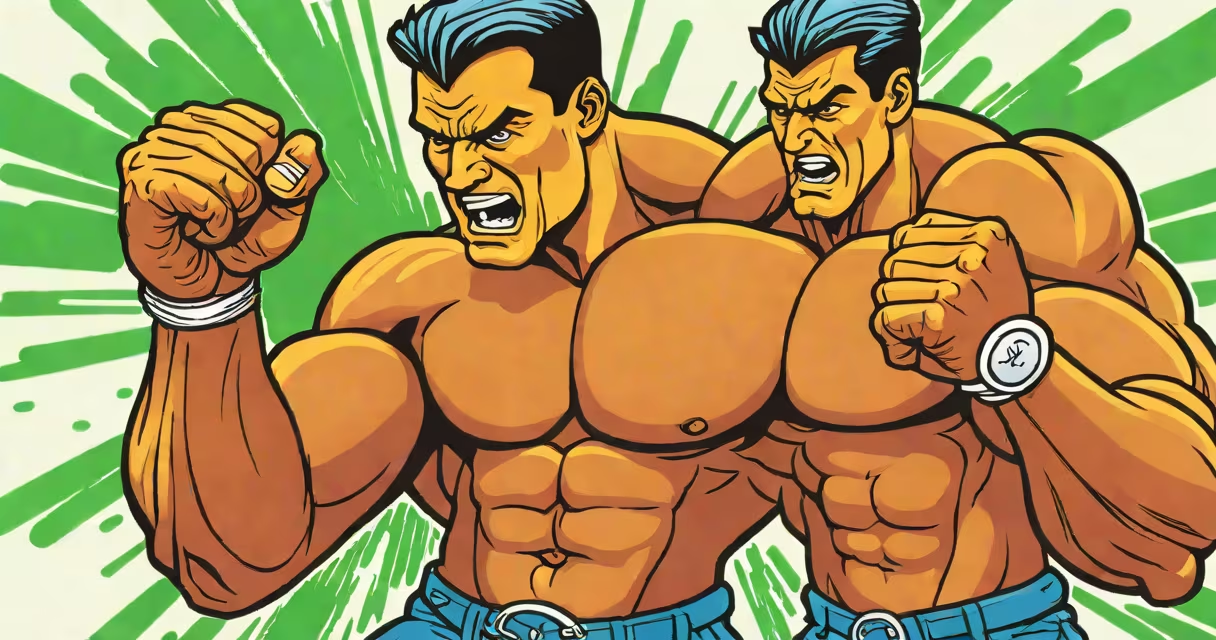
Toxic masculinity, according to Merriam-Webster, describes a set of beliefs and behaviors tied to traditional male roles that emphasize dominance, emotional suppression, and aggression. These traits are socially reinforced and often lead to personal and societal harm.
The term emerged in academic discourse in the 1980s and gained public traction in the 2010s. Merriam-Webster's 2022 update defines it as "a set of attitudes and behaviors associated with men that are considered harmful." The dictionary notes that such traits include emotional stoicism, hypersexuality, and the belief that men must be dominant and unyielding.
Merriam-Webster's entry reflects a shift from viewing masculinity as inherently negative to identifying specific cultural patterns that cause damage. This distinction matters: not all male behavior is toxic. The focus is on rigid norms enforced through social pressure, not individual identity.
Toxic masculinity operates through social conditioning. From early childhood, boys are often praised for being tough, discouraged from showing vulnerability, and taught that crying or fear equates to weakness. These messages accumulate over time and shape how men relate to themselves and others.
Research from the American Psychological Association shows that men who internalize toxic masculinity report higher rates of depression, substance abuse, and suicidal ideation. They're less likely to seek mental health care due to stigma around emotional expression. A 2021 study found that 68% of men who avoided therapy cited "not wanting to seem weak" as a primary reason.
These behaviors aren't innate. They're learned. A boy raised in a household where anger is the default response to stress may grow into a man who views conflict as a battle to win, not a problem to solve. That mindset fuels domestic violence, workplace bullying, and political extremism.
Merriam-Webster identifies several key traits linked to toxic masculinity:
| Behavior | Description | Real-World Impact |
|---|---|---|
| Emotional suppression | Dismissing feelings as signs of failure | Men avoid therapy; relationships suffer from poor communication |
| Hyperaggression | Using force to assert control | Higher rates of violent crime among young men; school shootings linked to isolation and rage |
| Sexual entitlement | Believing sexual access is a right | Consent education gaps; #MeToo movement exposed systemic failures |
| Stoicism under pressure | Refusing to ask for help during crises | Increased suicide rates among men aged 18-34, especially in rural areas |
One documented case involved a 24-year-old man in Ohio who killed his father during a family dispute. Police reports noted he had repeatedly told friends, "I'm not going to cry. I'm not weak." He later stated he felt "forced to act" because showing emotion was unacceptable in his home.
This isn't about blaming individuals. It's about recognizing how cultural expectations shape behavior. The same man might have sought help if he'd grown up in a community that valued emotional honesty.
Many people confuse toxic masculinity with simply being male. That's incorrect. Toxic masculinity is not about biology-it's about culture. A man can be kind, reflective, and emotionally intelligent while still conforming to toxic norms under pressure.
Another misconception is that rejecting toxic masculinity means rejecting all aspects of traditional manhood. That's not true. Healthy masculinity includes responsibility, protectiveness, and leadership-qualities that don't require domination or silence.
Merriam-Webster explicitly states that the term does not apply to all men or all male behavior. It targets specific patterns that cause harm. The dictionary's definition avoids moral judgment of individuals and focuses on systems and outcomes.
A common error in media coverage is equating toxic masculinity with all male violence. But research from the National Institute of Justice shows that only 30% of violent crimes committed by men involve motivations rooted in gender norms. Most stem from poverty, trauma, or mental illness-not masculinity itself.
Merriam-Webster's inclusion of "toxic masculinity" in its 2022 update signaled growing recognition of the concept in public language. The dictionary tracks word usage based on frequency in news, literature, and academic sources. Its addition reflects widespread adoption in policy debates, education, and healthcare.
I observed this shift firsthand while volunteering at a youth center in Portland. During a workshop on healthy relationships, a group of 16-year-old boys struggled to describe their emotions. When asked, "What do you feel when you're upset?" one replied, "I don't know. My dad says 'boys don't cry.'" After discussing the difference between emotional suppression and strength, several boys said they'd never thought about it before.
That moment confirmed something critical: naming the issue changes how people see it. When a teenager hears "toxic masculinity" in a classroom or on a news segment, he begins to question the stories he's been told. That awareness is the first step toward change.
Understanding the toxic masculinity definition Merriam Webster provides gives people a shared language to discuss harmful norms. It allows educators, therapists, and parents to address root causes rather than symptoms. It also enables policymakers to design programs that support emotional literacy and mental health in boys from an early age.