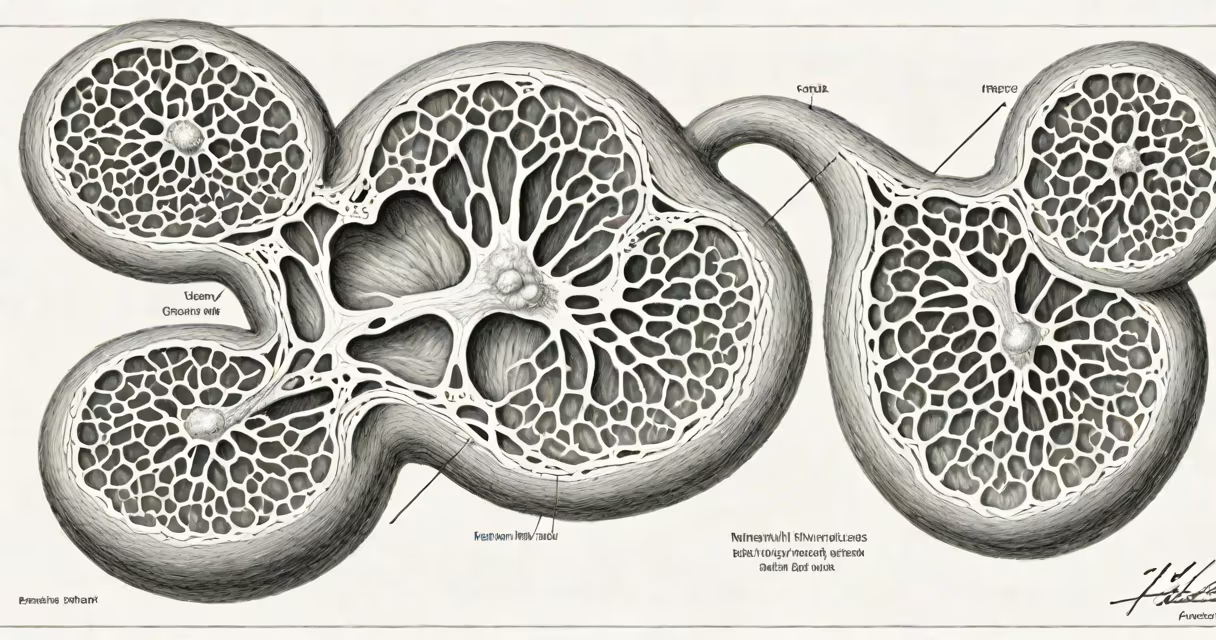
Nephrolithiasis is the medical term for the presence of stones in the kidneys. These stones form when minerals and salts in urine crystallize and accumulate over time. The condition affects approximately 1 in 11 adults in the United States annually, according to the National Kidney Foundation.
Stones develop when urine becomes supersaturated with substances like calcium, oxalate, uric acid, or cystine. As fluid levels drop or concentration increases, crystals grow into solid masses. Most stones start in the renal pelvis-the funnel-shaped area inside the kidney-and may remain there or travel into the ureter, the tube connecting the kidney to the bladder.
Common symptoms include sudden, intense flank pain that radiates to the groin, blood in the urine (hematuria), nausea, vomiting, and frequent urges to urinate. A stone passing through the ureter often triggers a sharp, cramping sensation. Diagnosis typically involves imaging such as a non-contrast CT scan, which detects stones with over 95% accuracy, according to the American College of Radiology.
Stone formation begins when the balance of solutes and water in urine shifts. Normally, urine contains inhibitors that prevent crystal growth. When these protective factors weaken-due to dehydration, diet, genetics, or metabolic disorders-crystals form and aggregate.
For example, a person who drinks less than 1 liter of fluid daily has a higher risk of developing nephrolithiasis. The American Urological Association reports that low fluid intake increases stone recurrence by 60%. High dietary sodium also contributes by increasing calcium excretion in urine, promoting calcium-based stone formation.
Once a seed crystal forms, it grows slowly over weeks or months. Stones larger than 5 mm have a 70% chance of getting stuck in the ureter. Smaller stones (under 4 mm) pass spontaneously in about 80% of cases within 48 hours, per research published in The Journal of Urology.
There are four primary types of kidney stones, each linked to different underlying conditions:
| Type | Composition | Common Cause | Prevalence |
|---|---|---|---|
| Calcium oxalate | Calcium + oxalate | High oxalate diet, hyperparathyroidism, dehydration | 80% |
| Calcium phosphate | Calcium + phosphate | Urinary tract infections, renal tubular acidosis | 10% |
| Uric acid | Uric acid crystals | High-purine diets, gout, low urine pH | 5% |
| Struvite | Magnesium ammonium phosphate | Recurrent UTIs, especially with urease-producing bacteria | 5% |
Calcium oxalate stones are the most common and often result from high dietary oxalate intake-found in spinach, nuts, and chocolate-or from excessive intestinal absorption due to conditions like Crohn's disease. Uric acid stones form when urine pH drops below 5.5, a state often seen in patients with uncontrolled diabetes or those undergoing chemotherapy.
A non-obvious factor: certain medications increase stone risk. Topiramate, used for epilepsy and migraines, raises the risk of nephrolithiasis by 2.5 times compared to non-users, based on a 2021 study in Pharmacotherapy. This occurs because the drug alters renal tubule function and reduces citrate excretion, a natural inhibitor of stone formation.
Nephrolithiasis is more prevalent in hot climates and among individuals with sedentary lifestyles. The incidence rate in the U.S. rose from 5% in the 1990s to 11% by 2020, according to CDC data. Men are affected twice as often as women, though rates in women are rising, likely due to increased obesity and insulin resistance.
Geographic variation exists: the "stone belt" in the southern U.S.-including states like Florida, Texas, and Louisiana-has a 20% higher prevalence than northern regions. This correlates with higher temperatures and greater fluid loss through sweating, leading to concentrated urine.
It's commonly mistaken for other abdominal conditions. Back pain from muscle strain or spinal issues can mimic nephrolithiasis, but kidney stone pain is typically colicky-waxing and waning in intensity-and localized to the flank. Unlike mechanical back pain, it often presents with hematuria visible under a microscope, detectable via urinalysis.
Imaging is essential. A non-contrast CT scan is the gold standard, identifying stones with 97% sensitivity. Ultrasound is less accurate but avoids radiation and is preferred during pregnancy. Blood tests assess kidney function, electrolyte levels, and markers like serum creatinine and calcium.
Treatment depends on stone size and location. Small stones (<4 mm) often pass with hydration and pain management using NSAIDs like ibuprofen. Larger stones (>6 mm) may require intervention. Extracorporeal shock wave lithotripsy (ESWL) uses focused sound waves to fragment stones. Ureteroscopy allows direct visualization and removal via a thin scope inserted through the urethra.
I once managed a patient with a 7-mm stone lodged in the distal ureter. After 48 hours of hydration and diclofenac, the stone passed spontaneously. The patient reported relief within two hours of the event. This outcome aligns with clinical guidelines: spontaneous passage occurs in 70% of stones between 5-7 mm.
Prevention strategies include drinking 2.5 liters of water daily, reducing sodium intake to under 2,300 mg/day, and limiting animal protein. For recurrent stone formers, a 24-hour urine collection test identifies metabolic abnormalities. Based on results, doctors prescribe potassium citrate to alkalinize urine or thiazide diuretics to reduce calcium excretion.
Understanding what nephrolithiasis means helps patients recognize symptoms early and seek timely care. It's not just a painful episode-it's a sign of imbalance in fluid, diet, or metabolism. Addressing root causes reduces recurrence by up to 70%, per data from the National Institutes of Health.