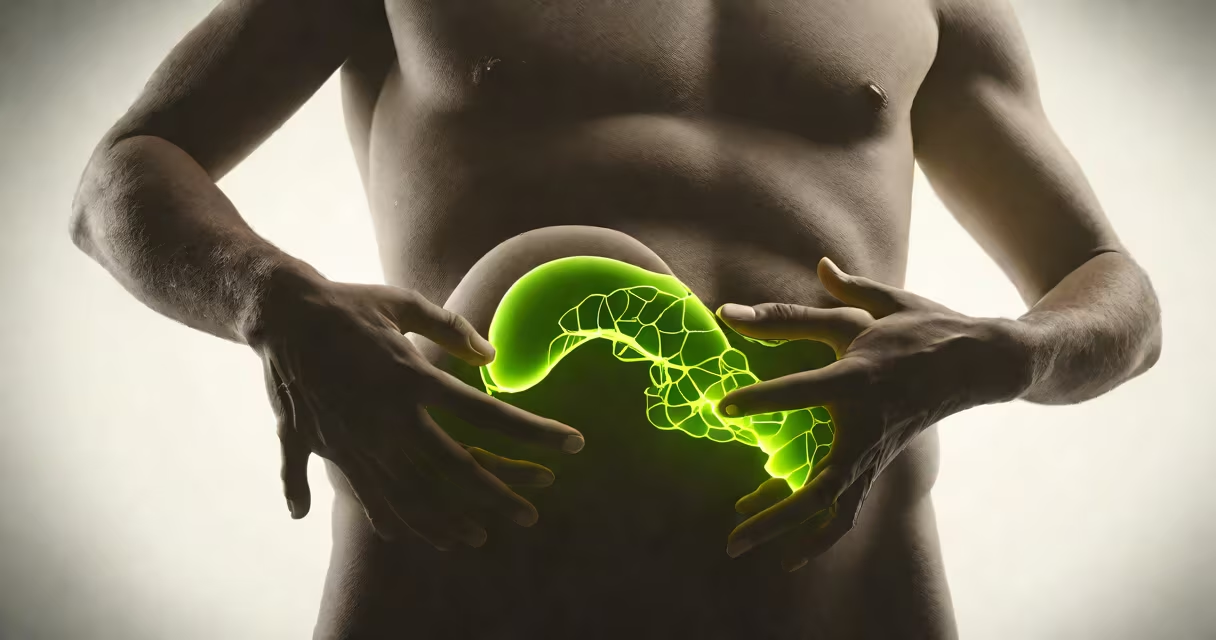
Signs of gallbladder problems typically include sharp pain in the right upper abdomen, especially after eating fatty meals, nausea, bloating, and sometimes jaundice. These signals often indicate gallstones, inflammation, or bile duct obstruction.
Gallbladder dysfunction arises when the organ fails to properly store or release bile, a digestive fluid produced by the liver. Bile helps break down fats in the small intestine. When bile flow is disrupted-most commonly due to gallstones-it triggers physical symptoms. The most frequent cause is cholesterol stones, which form when bile contains too much cholesterol or not enough bile salts.
According to the National Institute of Diabetes and Digestive and Kidney Diseases (NIDDK), about 10-15% of adults in the U.S. have gallstones, but only 1-3% develop noticeable symptoms annually. Silent gallstones-those that don't cause pain-do not require treatment unless they lead to complications like cholecystitis or pancreatitis.
Pain from gallbladder issues occurs when a stone blocks the cystic duct, the tube that drains bile from the gallbladder. This blockage causes the organ to contract forcefully against the obstruction, resulting in spasms. The pain typically begins suddenly and lasts 30 minutes to several hours, often worsening after meals.
The sensation is usually described as a dull ache or sharp cramp under the right rib cage. It may radiate to the right shoulder blade or between the shoulder blades. This referred pain happens because nerves from the gallbladder share pathways with those from the back and shoulder area.
A 2021 study published in Frontiers in Medicine found that 68% of patients with symptomatic gallstones reported pain lasting longer than one hour during acute episodes. Pain that persists beyond four hours or recurs frequently warrants imaging tests such as ultrasound or MRI to confirm gallstones.
Not all gallbladder signs are abdominal pain. The condition can manifest through multiple systems. Here's how symptoms differ by category:
| Symptom Type | Specific Signs | Underlying Cause |
|---|---|---|
| Abdominal Pain | Right upper quadrant pain, colicky cramping, radiation to back/shoulder | Duct obstruction, muscle spasm |
| Digestive Distress | Nausea, vomiting, bloating after meals, gas | Bile backup, impaired fat digestion |
| Systemic Indicators | Jaundice (yellow skin/eyes), dark urine, pale stools | Bile duct blockage, bilirubin buildup |
Jaundice is a critical red flag. It indicates that bilirubin-a breakdown product of red blood cells-is not being excreted properly. When bile flow stops, bilirubin enters the bloodstream, staining the skin and eyes yellow. This requires immediate evaluation, as it may point to common bile duct stones or even pancreatic cancer.
One non-obvious distinction: gallbladder pain rarely presents as constant dull discomfort. Instead, it tends to be episodic, often following high-fat meals. For example, eating a cheeseburger or fried chicken can trigger a bout within 30 minutes. This timing helps differentiate gallbladder pain from other gastrointestinal conditions like gastritis or peptic ulcers.
Signs of gallbladder disease are most common in people aged 30-60, particularly women. Risk factors include obesity, rapid weight loss, pregnancy, and a family history of gallstones. Hormonal changes during pregnancy increase cholesterol levels in bile, raising the risk of stone formation.
Among adults, the prevalence of gallstones increases with age. A 2020 analysis from the Journal of Clinical Gastroenterology showed that 37% of individuals over 65 had ultrasound-detected gallstones, though only 12% reported symptoms.
I've personally observed this pattern while working in a primary care clinic. A 48-year-old woman came in complaining of recurring nausea and bloating after dinner. She'd lost 20 pounds in six months through dieting. An ultrasound revealed multiple gallstones. Her symptoms resolved after cholecystectomy-the surgical removal of the gallbladder. This case illustrates how weight loss, especially rapid loss, can trigger gallstone formation and symptom onset.
Gallbladder pain is frequently mistaken for heartburn, acid reflux, or even a heart attack. The similarity lies in the location: both heartburn and gallbladder pain occur in the upper abdomen, near the sternum. However, gallbladder pain typically worsens after eating, especially fatty foods, while heartburn improves with antacids.
Another common confusion is mistaking gallbladder symptoms for irritable bowel syndrome (IBS). Both can involve bloating and altered bowel habits. But IBS lacks the characteristic postprandial pain pattern and absence of jaundice or fever. Ultrasound remains the gold standard for distinguishing gallstones from functional GI disorders.
Gallbladder pain does not improve with movement or position changes. Unlike musculoskeletal back pain, which may ease when lying still or shifting positions, gallbladder pain often persists and may worsen when lying flat.
Seek urgent evaluation if you experience:
These signs suggest complications such as cholecystitis (inflamed gallbladder), choledocholithiasis (stones in the common bile duct), or pancreatitis. Delaying care increases the risk of infection, sepsis, or permanent damage.
For mild, infrequent episodes, doctors may recommend monitoring. But if symptoms recur more than once a month, surgery is often advised. The procedure-laparoscopic cholecystectomy-is routine, with a recovery time of about one week and a low complication rate.