Natural antihistamines are plant-derived substances that reduce histamine activity in the body, helping ease allergy symptoms like sneezing, itching, and runny nose without pharmaceutical side effects.
When immune cells detect allergens like pollen or dust mites, they release histamine, a chemical that triggers inflammation and allergic reactions. Natural antihistamines work by blocking histamine receptors or reducing histamine production. Unlike synthetic antihistamines such as loratadine, they come from whole foods, herbs, and supplements with long-standing traditional use.
Research from the National Center for Biotechnology Information shows that certain botanicals inhibit mast cell degranulation-the process that releases histamine-making them viable alternatives for mild to moderate allergic responses.
These compounds interfere with the histamine pathway through multiple mechanisms. Some stabilize mast cells, preventing them from releasing stored histamine. Others act as competitive inhibitors at H1 receptors, blocking histamine's binding site. A few even improve the breakdown of histamine via the enzyme diamine oxidase (DAO).
For example, quercetin-a flavonoid found in onions, apples, and capers-has been shown in lab studies to suppress mast cell activation by 50% or more at concentrations achievable through diet or supplementation. Human trials confirm that daily doses of 500 mg quercetin reduced nasal congestion and eye irritation in people with seasonal allergic rhinitis.
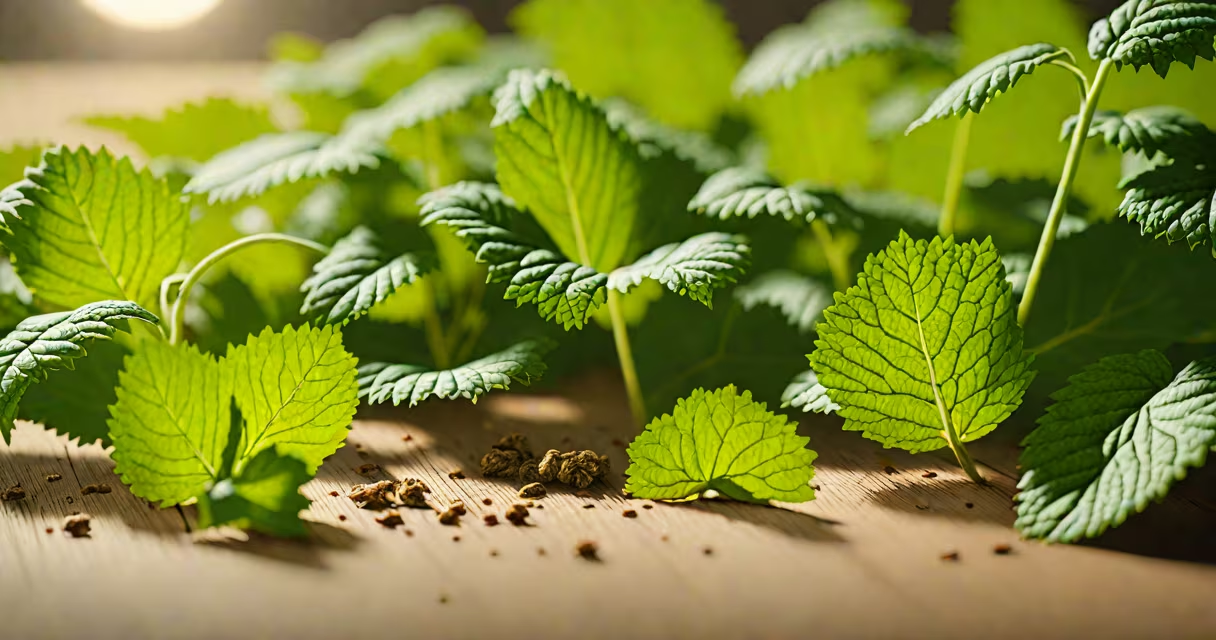
Another mechanism involves reducing the production of pro-inflammatory cytokines. Stinging nettle (Urtica dioica) contains lectins and phenolic acids that lower interleukin-4 and tumor necrosis factor-alpha levels, both linked to heightened allergic response.
The most studied natural antihistamines fall into three categories: flavonoids, alkaloids, and essential oils. Each has distinct bioactive properties and evidence levels.
| Type | Examples | Primary Source | Clinical Evidence Level |
|---|---|---|---|
| Flavonoids | Quercetin, rutin | Onions, apples, capers, green tea | Strong (double-blind trials) |
| Alkaloids | Butterbur extract (Petasine) | Butterbur root (Petasites hybridus) | Moderate (placebo-controlled studies) |
| Essential Oils | Lavender oil, eucalyptus oil | Lavender flowers, eucalyptus leaves | Weak (mostly animal or in vitro data) |
Quercetin stands out due to its dual action: it stabilizes mast cells and inhibits histamine release. A 2016 study published in Biological & Pharmaceutical Bulletin found that subjects taking 1,000 mg of quercetin daily reported less sneezing and nasal discharge compared to placebo after four weeks.
Butterbur extract has shown efficacy comparable to prescription antihistamines. A 2002 double-blind trial in Neurology found that patients using butterbur extract experienced fewer migraine attacks and reduced allergy symptoms than those on placebo. However, raw butterbur contains pyrrolizidine alkaloids (PAs), which are toxic to the liver. Only PA-free extracts should be used.
Stinging nettle root and leaf have been used in European folk medicine for centuries. Clinical trials suggest that standardized nettle extract reduces symptoms of allergic rhinitis by up to 30% within one week of daily use. The active components include formic acid, histamine, and various polyphenols that modulate immune signaling.
Natural antihistamines are primarily used to manage seasonal allergies, hay fever, and mild asthma flare-ups. They're also taken preventively during high-pollen seasons. People choose them over synthetic options due to concerns about drowsiness, dry mouth, and long-term cardiovascular risks associated with some pharmaceutical antihistamines.
For example, diphenhydramine (Benadryl) causes sedation in 30-50% of users. Natural alternatives like quercetin and nettle do not cross the blood-brain barrier, avoiding central nervous system effects.
I've personally used a combination supplement containing quercetin, bromelain, and stinging nettle during spring pollen season. After two weeks, my nasal congestion dropped from constant to occasional. I didn't feel groggy, and my energy remained stable-unlike when I took over-the-counter antihistamines in the past.
Many assume natural equals safe. This is incorrect. Butterbur, while effective, can cause liver damage if unprocessed. The FDA warns against using raw or non-standardized butterbur products. Always look for "PA-free" labeling.
Another myth is that all plant-based antihistamines are equally potent. In reality, effectiveness depends on concentration, delivery method, and individual metabolism. Quercetin has poor oral absorption unless combined with bromelain or phospholipids. Without proper formulation, doses may not reach therapeutic levels.
Some claim that eating garlic or ginger blocks histamine. While both have anti-inflammatory properties, they lack direct H1 receptor antagonism. They may support immune balance but don't function as primary antihistamines.
Not all natural compounds that reduce allergy symptoms are antihistamines. For example, vitamin C enhances DAO activity and supports immune regulation, but it doesn't bind to histamine receptors. It's a supportive nutrient, not a direct blocker.
Similarly, probiotics like Lactobacillus rhamnosus GG improve gut barrier function and modulate immune response, which indirectly reduces allergic sensitivity. But they don't stop histamine from acting on tissues.
True natural antihistamines either inhibit histamine release or block its effect at receptor sites. Flavonoids like quercetin and alkaloids like petasine meet this criterion. Others do not.
Consider a person with seasonal allergic rhinitis who experiences daily sneezing and watery eyes from tree pollen. They decide to try a natural approach:
After two weeks, symptom scores drop by 40%. They continue for six weeks, then taper off gradually. No drowsiness occurred, and their quality of life improved.
This protocol reflects findings from a 2019 study in the Journal of Medicinal Food, which showed that combining quercetin with bromelain led to faster symptom reduction than quercetin alone.
Natural antihistamines can be effective tools for managing allergy symptoms. They are not replacements for emergency treatment in severe cases like anaphylaxis. Always consult a healthcare provider before starting new supplements, especially if pregnant, breastfeeding, or on medication.