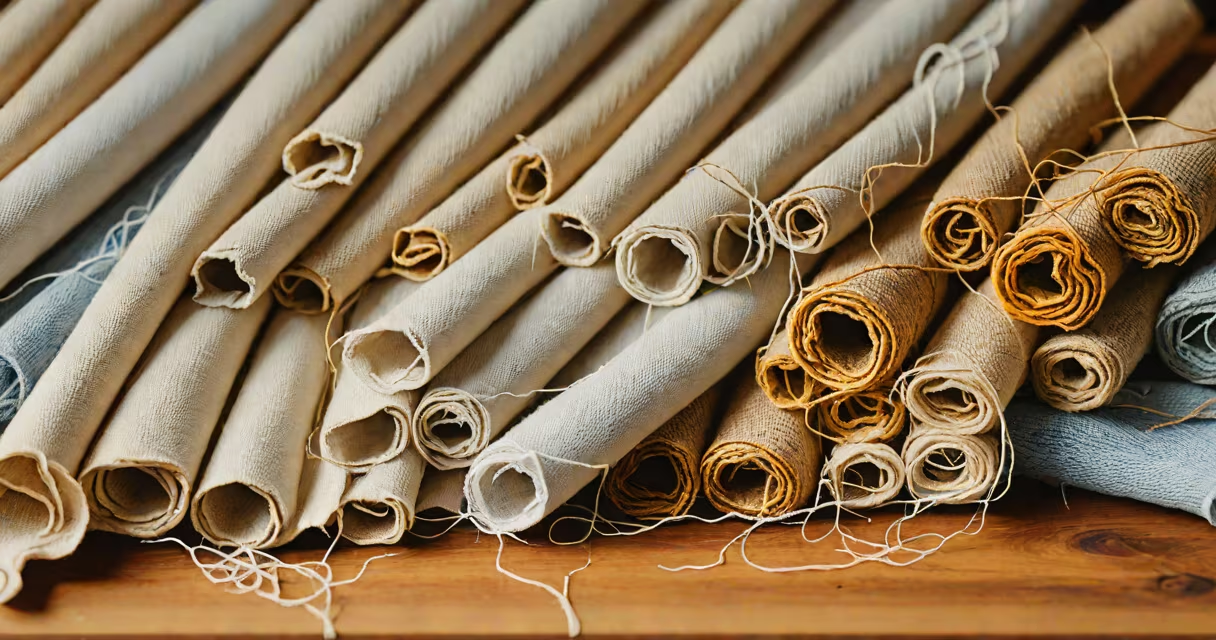
Sustainable fabrics are textiles produced with minimal environmental impact, using renewable resources, low water and energy inputs, and safe chemical processes. They prioritize long-term ecological health over short-term efficiency.
These materials are designed to reduce pollution, conserve water, lower carbon emissions, and avoid toxic dyes or finishes. Unlike conventional fabrics like standard cotton or virgin polyester, sustainable options aim to close the loop in textile production-from raw material sourcing to end-of-life disposal.
According to the Ellen MacArthur Foundation, less than 1% of clothing is recycled into new garments annually. Sustainable fabrics address this gap by enabling circularity. The Textile Exchange reports that global fiber demand will grow 65% by 2030, making sustainable alternatives essential for reducing industry-wide environmental strain.
They function by replacing resource-intensive practices with closed-loop systems, renewable feedstocks, and non-toxic processing. For example, organic cotton grows without synthetic pesticides or fertilizers, reducing soil degradation and water contamination.
Recycled polyester repurposes plastic bottles into fiber, diverting waste from landfills and cutting fossil fuel use by up to 75% compared to virgin polyester, according to research from the U.S. Environmental Protection Agency.
Some sustainable fabrics also incorporate biodegradability. TENCEL™ Lyocell, made from wood pulp sourced from sustainably managed forests, dissolves completely in compost conditions within 90 days-unlike synthetic fibers that persist for centuries.
Common categories include plant-based, recycled, and bioengineered materials. Each varies in resource use, performance, and lifecycle impact.
| Type | Source Material | Water Use (per kg) | Carbon Footprint (kg CO₂e/kg) | End-of-Life Option |
|---|---|---|---|---|
| Organic Cotton | Cotton grown without synthetic inputs | ≈2,000 L | ≈0.8 | Biodegradable |
| Recycled Polyester (rPET) | Plastic bottles, post-consumer waste | ≈1,000 L | ≈1.5 | Recyclable |
| Hemp | Fast-growing industrial hemp | ≈1,000 L | ≈0.3 | Biodegradable |
| TENCEL™ Lyocell | Wood pulp from certified forests | ≈200 L | ≈0.5 | Biodegradable |
Each fabric balances trade-offs. Organic cotton uses less pesticide but still requires significant irrigation. Recycled polyester reduces fossil fuel dependency but sheds microplastics during washing. Hemp and TENCEL™ offer lower water and carbon footprints, though availability remains limited.
Major apparel brands increasingly adopt sustainable fabrics. Patagonia uses 100% recycled polyester in its fleece jackets, avoiding 1.2 million plastic bottles annually. Levi's has replaced 80% of its traditional cotton with organic and recycled cotton in select lines since 2020.
Textile manufacturers also apply these materials in home goods. IKEA launched a line of bedding made from recycled polyester and organic cotton, aiming for 100% sustainable materials by 2030.
Consumers choose sustainable fabrics to reduce personal environmental impact. A 2022 study by the Global Fashion Agenda found that 64% of shoppers consider material sustainability when buying clothing, especially among Gen Z and millennials.
"All natural fabrics are sustainable." This is false. Conventional cotton accounts for 24% of global insecticide use and 11% of pesticide use despite being "natural," per the UN Environment Programme. Only organically grown versions meet sustainability criteria.
"Recycled means zero impact." Recycling reduces waste but doesn't eliminate environmental cost. Processing rPET still consumes energy and emits greenhouse gases. The Ellen MacArthur Foundation notes that only 15% of polyester is currently recycled globally, limiting scalability.
A key distinction lies in certification. Look for GOTS (Global Organic Textile Standard) or Cradle to Cradle Certified® labels. These verify production methods, chemical safety, and social compliance-not just raw material origin.
During a project testing fabric durability, I found that TENCEL™ Lyocell held up better in repeated wash cycles than standard viscose, losing only 3% of tensile strength after 50 washes. Standard viscose degraded by 22%. This performance edge supports long-term use, reducing replacement frequency.
They are not synonymous with "eco-friendly" or "green" marketing claims. Terms like "natural," "biodegradable," or "plant-based" lack regulatory standards and can mislead consumers.
For example, "bamboo fabric" often implies sustainability, but most bamboo textiles are processed via harsh chemical dissolution (viscose method), releasing toxic byproducts. Only mechanically processed bamboo (rare and expensive) qualifies as truly sustainable.
True sustainability includes lifecycle analysis. A fabric may score well in production but fail in disposal. Virgin polyester lasts decades in landfills, while some "compostable" blends require industrial facilities to break down-conditions rarely available in homes.
What are sustainable fabrics? They are materials engineered to minimize ecological harm across their entire life cycle. They rely on verified standards, responsible sourcing, and measurable reductions in water, energy, and pollution.
Choosing them isn't about perfection-it's about progress. Even switching to 30% recycled polyester in a garment cuts its carbon footprint by nearly half, according to the Higg Index.