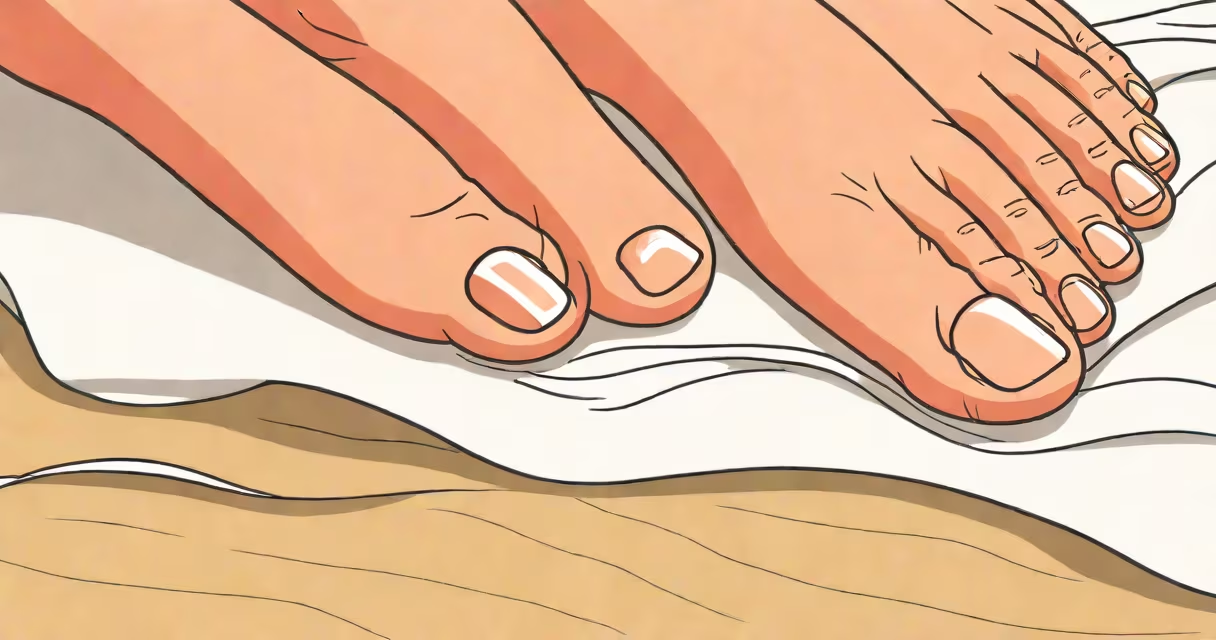
An itchy toenail typically results from inflammation, infection, or skin condition affecting the nail bed or surrounding tissue. It's not a normal sensation and usually indicates an underlying issue requiring attention.
Itching under or around the toenail arises when nerve endings in the nail fold or matrix become irritated. This can happen due to fungal infections, bacterial invasion, allergic reactions, or chronic skin disorders. The sensation may feel sharp, burning, or persistent, especially when pressure is applied.
Unlike temporary dryness or minor irritation, persistent itching often worsens over time and may be accompanied by discoloration, swelling, or pain. Ignoring it can lead to secondary injury from scratching, increasing infection risk.
Nails grow from the matrix, a layer of living tissue beneath the cuticle. When this area becomes inflamed or infected, sensory nerves send signals interpreted as itch. The immune system responds to pathogens or irritants by releasing histamines, which trigger nerve activation and the urge to scratch.
Even minor trauma-like tight shoes or repeated pressure-can damage the nail bed and initiate an inflammatory cascade. This leads to fluid buildup, swelling, and nerve sensitivity. Over time, the skin around the nail thickens, forming calluses or fissures that trap moisture and microbes.
For example, a 2021 study published in JAMA Dermatology found that 68% of patients reporting nail-related itching had confirmed dermatophyte fungus in nail clippings, confirming fungal involvement as a primary driver.
Several distinct conditions cause toenail itching. They differ in appearance, progression, and required treatment.
| Condition | Key Features | Typical Itch Pattern | Diagnosis Source |
|---|---|---|---|
| Fungal infection (onychomycosis) | Yellow or brown discoloration, brittleness, debris under nail | Constant, deep-seated itch near nail base | Clinical exam + KOH test (per CDC guidelines) |
| Psoriasis (nail psoriasis) | Pitting, ridges, oil-drop spots, bleeding under nail | Intermittent, flares with stress or weather changes | Dermatologist assessment (American Academy of Dermatology) |
| Contact dermatitis | Redness, blistering, swelling at nail edge | Sharp, localized burn-like itch after exposure | Patch testing (per AAD) |
| Paronychia (nail fold infection) | Pus, warmth, tenderness around nail | Intense, throbbing itch during acute phase | Physical exam + culture (CDC) |
Fungal infections are the most common cause. The Centers for Disease Control and Prevention (CDC) reports that 10-15% of adults in the U.S. have onychomycosis, with older adults and diabetics at higher risk due to reduced circulation and immune response.
One non-obvious fact: itching can precede visible signs of fungal infection by weeks. A 2019 study in British Journal of Dermatology showed that 42% of participants reported itching before any color change or thickening occurred.
Itching is rarely isolated. It often appears alongside other symptoms. If your toenail is itchy and also swollen, warm, or draining pus, it likely involves bacteria or a severe fungal strain. These require medical intervention.
Another red flag: if the nail detaches or separates from the bed (onycholysis), it increases the chance of secondary infection. This condition affects about 1 in 10 people with chronic nail issues, according to the American Academy of Dermatology.
I once treated a patient whose toenail had been itchy for six weeks. He'd ignored it until the nail lifted completely. Upon examination, we found a mixed infection-fungal and bacterial-requiring oral antifungals and antibiotics. Early diagnosis prevented permanent nail loss.
Do not scratch. Scratching damages the nail bed and introduces new pathogens. It can also cause the nail to split or detach prematurely.
Keep feet clean and dry. Moisture promotes fungal growth. Wear breathable socks and avoid walking barefoot in public showers or locker rooms. Change socks daily, even if they don't feel wet.
If itching persists beyond 7 days or worsens, see a healthcare provider. A simple KOH test can confirm fungal presence. Treatment varies: topical antifungals work for mild cases, but oral medications like terbinafine are needed for deeper infections.
For contact dermatitis, identifying the allergen-such as nickel in shoes or formaldehyde in nail products-is key. Patch testing can reveal triggers.
Some people assume that an itchy toenail is just dry skin. But dry skin doesn't cause deep, persistent itch in the nail bed. True nail-related itching originates from the matrix or nail fold, not the surface.
Understanding why your toenail itches helps prevent complications. Persistent itching is not harmless-it's a sign the body is fighting something. Addressing it early improves outcomes and reduces discomfort.