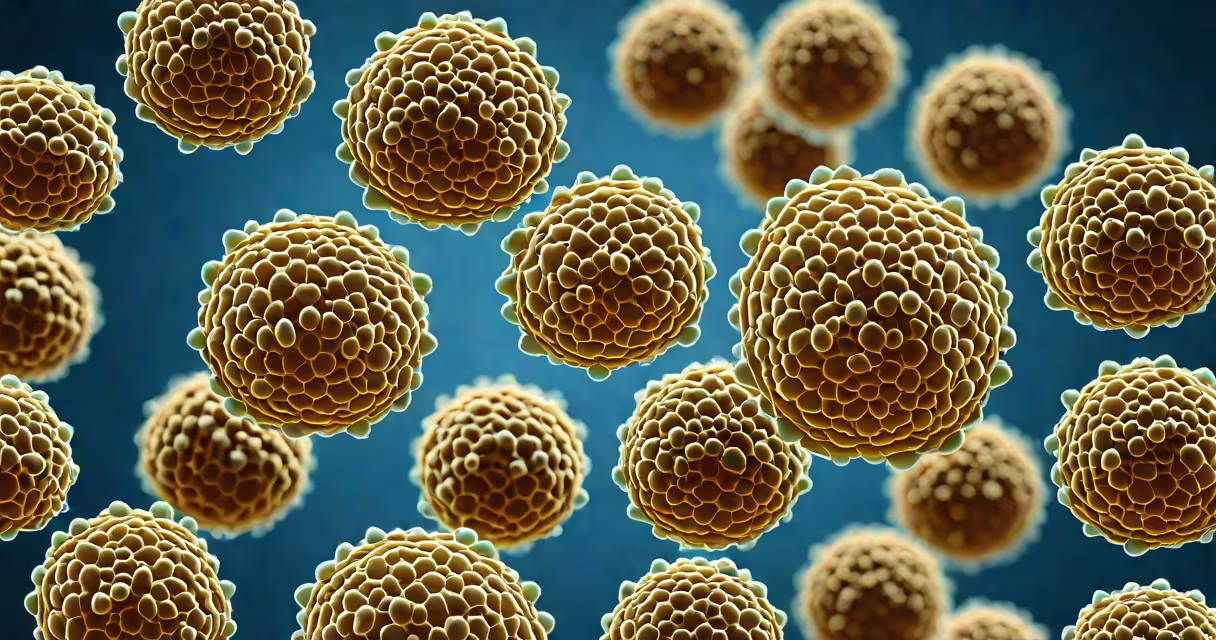
Small cell lung cancer (SCLC) is a highly aggressive form of lung cancer that originates in neuroendocrine cells in the lungs, typically in the central airways near the bronchi. It grows rapidly, spreads early to distant organs, and is strongly linked to tobacco use. SCLC accounts for about 10-15% of all lung cancer cases and is known for its poor prognosis if not caught early.
SCLC gets its name from the appearance of the cancer cells under a microscope. They are small, round, and densely packed, resembling neurons-hence the term "neuroendocrine." These cells produce hormones and neurotransmitters, which can lead to paraneoplastic syndromes such as syndrome of inappropriate antidiuretic hormone secretion (SIADH), causing low sodium levels and confusion.
According to the American Cancer Society, SCLC is divided into two main stages: limited and extensive. Limited disease means the cancer is confined to one side of the chest and can be treated with radiation and chemotherapy. Extensive disease involves spread beyond the lung, including to the liver, brain, or bones. The survival rate drops sharply once the cancer becomes widespread.
SCLC develops when mutations occur in genes that control cell growth, particularly in the RB1 and TP53 tumor suppressor genes. These mutations disable the body's natural brakes on cell division, allowing cells to multiply uncontrollably. Because SCLC cells divide rapidly, they consume large amounts of oxygen and nutrients, leading to symptoms like fatigue, weight loss, and shortness of breath.
The cancer often spreads early due to its high vascularity and invasive nature. Lymph nodes in the mediastinum (central chest) are common sites of initial metastasis. Brain metastases occur in up to 50% of patients during the course of their illness, even when imaging shows no signs initially. This is why routine brain MRI scans are recommended for patients with extensive-stage SCLC.
A key feature of SCLC is its dependence on nicotine and other carcinogens in tobacco smoke. Smoking causes DNA damage in lung cells, increasing the risk of mutations. The risk increases with duration and intensity of smoking. Even after quitting, the risk remains elevated compared to never-smokers.
SCLC is classified based on histology and clinical behavior. While it is generally grouped into two categories, the World Health Organization (WHO) recognizes two subtypes:
| Type | Description | Prevalence |
|---|---|---|
| Small cell carcinoma (pure) | Cells show classic small cell morphology with minimal differentiation. | ~70% |
| Combined small cell carcinoma | Contains small cell elements plus non-small cell features (e.g., squamous or adenocarcinoma). | ~30% |
Combined SCLC is more complex because it may respond differently to treatment. For example, tumors with squamous features may have different expression patterns of PD-L1, affecting immunotherapy response. However, standard treatment still relies heavily on platinum-based chemotherapy and radiation.
Non-small cell lung cancers (NSCLC)-such as adenocarcinoma and squamous cell carcinoma-are distinct in biology and treatment. NSCLC grows slower and is less likely to metastasize early. What is squamous cell lung cancer differs in cellular structure, location, and treatment options. SCLC is rarely responsive to targeted therapies unless rare genetic alterations are present.
Many people assume SCLC is the most common type of lung cancer. That is false. Adenocarcinoma accounts for about 40% of cases, while SCLC makes up only 10-15%. Confusing SCLC with NSCLC leads to incorrect treatment choices. For example, EGFR inhibitors work in some adenocarcinomas but are ineffective in SCLC.
Another misconception is that SCLC only affects smokers. While 90% of cases are linked to tobacco use, a small number of non-smokers develop SCLC. A 2021 study in JAMA Oncology reported that 5% of SCLC patients had no history of smoking. These cases are often associated with germline mutations in TP53 or RB1, suggesting inherited susceptibility.
Some believe SCLC is curable with surgery. This is incorrect. Surgery is rarely used because SCLC spreads too quickly to be localized. Instead, treatment focuses on systemic therapy-chemotherapy combined with radiation. In rare cases of limited-stage disease, surgery may be considered after initial chemo-radiation, but this is not standard practice.
A 62-year-old man with a 40-pack-year smoking history presents with persistent cough, weight loss, and hoarseness. A CT scan reveals a 4 cm mass in the right upper lobe and enlarged lymph nodes in the mediastinum. A biopsy confirms small cell lung cancer with positive chromogranin and synaptophysin staining-markers of neuroendocrine origin.
Further staging with PET-CT shows uptake in the adrenal glands and liver. The diagnosis is extensive-stage SCLC. He begins first-line treatment with carboplatin and etoposide every three weeks for four cycles. After two cycles, his tumor shrinks by 60%, and he reports improved energy and appetite.
Because of the high risk of brain metastasis, he undergoes prophylactic cranial irradiation (PCI) after completing chemotherapy. PCI reduces the chance of developing brain tumors from 50% to 15% over two years, according to a 2017 trial published in The New England Journal of Medicine.
After six months, his disease progresses. He is enrolled in a clinical trial testing a novel antibody-drug conjugate targeting DLL3, a protein overexpressed in 70% of SCLC tumors. This highlights how research is shifting toward precision medicine, even in a traditionally chemoresistant cancer.
I observed a patient with limited-stage SCLC who responded dramatically to treatment. After five cycles of chemo-radiation, follow-up scans showed complete remission. But within nine months, he developed a solitary brain metastasis. We treated it with stereotactic radiosurgery. His survival exceeded 24 months-a rare outcome in SCLC, where median survival is around 12 months.
This case underscores that while SCLC is aggressive, outcomes can improve with early detection and integrated care. It also shows the importance of ongoing monitoring-even after apparent remission.