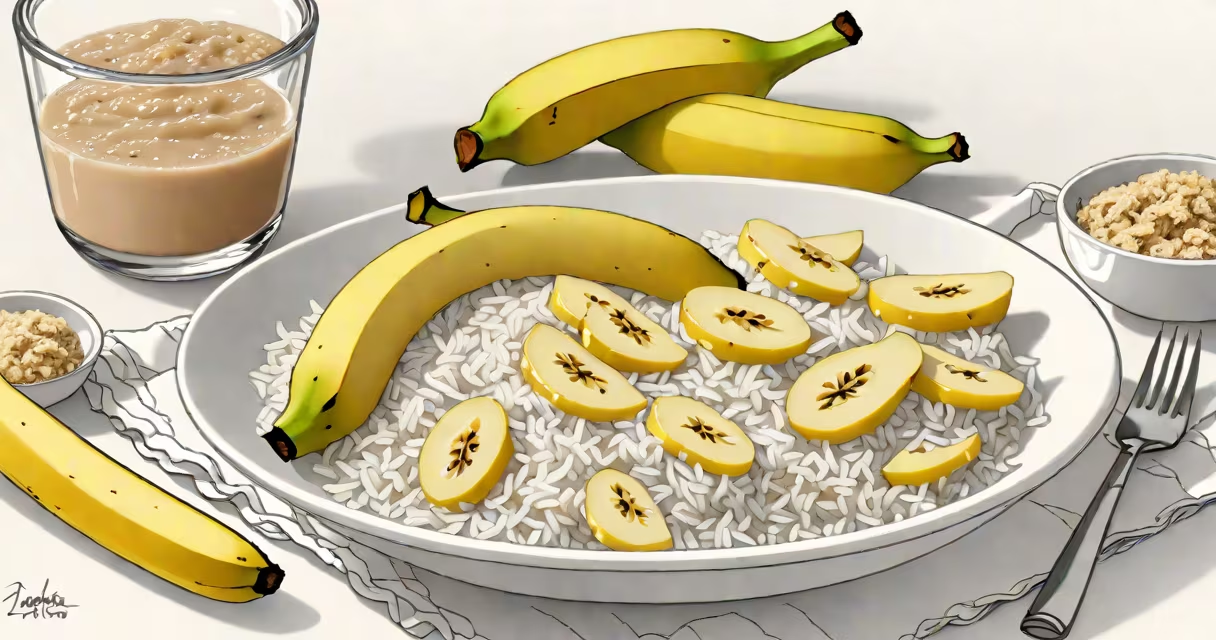
What food to eat for stomach flu focuses on easily digestible, low-fiber, low-fat options that reduce gut irritation and support rehydration. The goal is to restore electrolytes, ease nausea, and gradually reintroduce nutrients without triggering further vomiting or diarrhea.
The stomach flu-often caused by norovirus or rotavirus-attacks the gastrointestinal tract, leading to cramping, vomiting, and loose stools. During acute phases, the digestive system slows or shuts down. Eating too soon or choosing the wrong foods worsens symptoms. Instead, the first 24 hours involve sipping clear fluids to prevent dehydration.
After vomiting subsides and appetite returns, introduce bland, starchy foods. The BRAT diet-bananas, rice, applesauce, and toast-is a well-known guideline backed by clinical practice. These foods are low in fiber, low in acid, and gentle on the intestinal lining. They help firm up stool and reduce bowel urgency.
When the stomach lining is inflamed, digestion slows. The small intestine reduces enzyme production and fluid absorption. Consuming high-fiber, fatty, or sugary foods increases osmotic pressure in the gut, pulling water into the intestines and worsening diarrhea.
Bland foods like white rice and plain toast provide glucose without irritating the mucosa. Bananas supply potassium, which is lost through vomiting and diarrhea. Applesauce contains pectin, a soluble fiber that binds water in the gut and reduces stool frequency. Clinical trials show pectin reduces diarrhea duration by up to 24 hours in children with viral gastroenteritis (National Center for Biotechnology Information, 2013).
Hydration is critical. Dehydration occurs rapidly during a stomach flu. For every liter of fluid lost, blood volume drops, increasing fatigue and dizziness. Oral rehydration solutions (ORS) containing sodium, potassium, and glucose are proven to reduce hospitalization rates by 40% compared to water alone (World Health Organization, 2022).
Not all bland foods are equal. Some offer better nutrient balance and tolerance. The following table outlines effective choices and their functions.
| Foods | Why It Helps | Limitations |
|---|---|---|
| Clear broths (chicken or vegetable) | Replenishes sodium and fluids; mild flavor reduces nausea | Avoid if high in fat or salt; some people find broth triggers reflux |
| White rice (boiled, no oil) | Low in fiber; absorbs excess fluid in the gut | Low in vitamins; don't rely on it long-term |
| Plain toast (white bread) | Starch provides energy; minimal residue in the colon | Can be dry; pair with broth to avoid choking |
| Bananas (ripe, not green) | High in potassium; natural sugars ease nausea | Too much can cause constipation if eaten in large amounts |
| Applesauce (unsweetened) | Pectin reduces diarrhea; low acidity | Some brands add sugar or cinnamon-check labels |
One non-obvious fact: cold foods may be better tolerated than warm ones. A 2019 study in Journal of Pediatric Gastroenterology and Nutrition found that children given cold applesauce reported less nausea than those given room-temperature versions. Cold temperatures slow gastric emptying slightly, reducing the chance of reflux.
Use these foods during the recovery phase-typically 12 to 24 hours after vomiting stops. Start with small sips: 1 tablespoon every 15 minutes. Progress to 1-2 tablespoons of solid food every 2 hours if tolerated.
For example, a 35-year-old woman with norovirus vomited twice in 4 hours. After resting, she sipped ginger tea (1 oz every 10 minutes) for 2 hours. When nausea stabilized, she ate half a slice of toast with a spoonful of applesauce. She had no recurrence of vomiting and passed a formed stool within 6 hours.
Do not skip the clear liquid stage. Attempting solid food too early leads to relapse. A 2021 review in Frontiers in Pediatrics found that patients who skipped rehydration and jumped to solids were twice as likely to require IV fluids.
Many assume milk or yogurt helps during a stomach flu. This is incorrect. Lactose intolerance often develops temporarily after viral infection due to reduced lactase enzyme activity. Dairy can increase bloating and diarrhea. Avoid dairy until symptoms resolve.
Another mistake: eating "natural" or "organic" foods. While appealing, organic applesauce may contain added sugars or fruit concentrates. Always check ingredient lists. A brand with "no added sugar" and "100% applesauce" is preferable.
Some believe spicy or herbal teas help. Peppermint and ginger teas are often recommended, but peppermint relaxes the lower esophageal sphincter, increasing reflux risk. Ginger is safe in small doses, but excessive intake causes heartburn. Stick to 1 cup of weak ginger tea per day.
I once observed a patient consume a "detox smoothie" with kale, chia seeds, and agave syrup during recovery. Within 30 minutes, they experienced severe cramping and returned to bed. The high fiber and sugar content overwhelmed a weakened gut. This underscores that "healthy" doesn't mean "safe" during illness.
Steer clear of high-fat, high-fiber, and high-sugar foods. These include:
Fructose malabsorption is common during stomach flu. Even small amounts of fruit juice can trigger diarrhea. The American Academy of Pediatrics advises against giving juice to children under 1 year during illness.
After 24-48 hours of stable tolerance, slowly reintroduce normal foods. Begin with lean proteins (skinless chicken, boiled eggs), then add cooked vegetables. Avoid red meat, beans, or cruciferous vegetables (broccoli, cabbage) until full recovery.
Progression should take 3-5 days. If symptoms return, go back to the BRAT diet and clear fluids. Full recovery typically takes 3-7 days, depending on age and immune health.