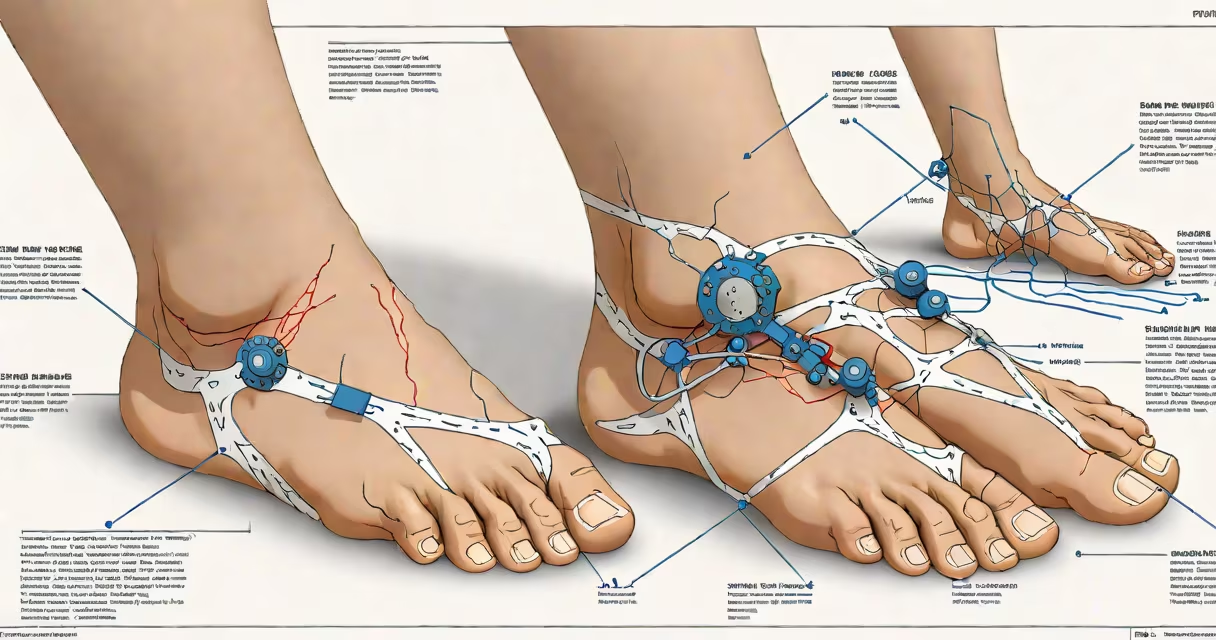
Swelling in the feet occurs when excess fluid accumulates in the tissues, causing puffiness, tightness, and sometimes pain. This condition, known as edema, results from imbalances in fluid regulation within the body's circulatory and lymphatic systems.
Fluid normally moves between blood vessels and surrounding tissues through small pores in capillary walls. When this balance shifts-due to increased pressure, weakened valves, or blocked drainage-fluid leaks into the interstitial space. The feet are especially prone because gravity pulls fluids downward, making them the last place to drain.
Common triggers include sitting or standing for long periods, hot weather, hormonal changes during pregnancy, or wearing ill-fitting shoes. More serious causes involve heart failure, kidney disease, liver cirrhosis, or venous insufficiency. Swelling may appear suddenly or develop gradually over days.
When fluid builds up in the lower extremities, cells absorb more water than they can release. This increases tissue volume and compresses nearby nerves and blood vessels. As pressure rises, sensation changes-feet may feel heavy, numb, or tingling.
The process begins with capillary leakage. Normally, hydrostatic pressure pushes fluid out of capillaries into tissues, while oncotic pressure draws it back in. When hydrostatic pressure exceeds oncotic pressure-due to increased blood volume or poor venous return-fluid accumulates.
For example, a person who stands for eight hours daily in a retail job may notice morning swelling that reduces after walking. But if swelling persists past the evening, worsens over time, or affects both feet equally, it suggests systemic involvement rather than temporary strain.
Swelling in the feet falls into two categories: localized and generalized. Localized swelling typically stems from trauma, infection, or inflammation. Generalized swelling indicates a broader physiological imbalance.
| Type | Common Causes | Duration | Red Flags |
|---|---|---|---|
| Localized | Twisted ankle, insect bite, gout flare-up | Hours to days | Pain, redness, warmth, limited mobility |
| Generalized | Pregnancy, heart failure, kidney disease, medication side effects | Days to weeks | Bilateral swelling, weight gain, shortness of breath |
One non-obvious distinction: bilateral swelling (both feet) is more likely to signal internal pathology than unilateral swelling. A single swollen foot raises suspicion for deep vein thrombosis (DVT), especially if accompanied by calf tenderness or sudden onset.
According to the American Heart Association, about 20% of people with early-stage heart failure report leg and foot swelling before other symptoms emerge. This makes edema a key early warning sign, even when fatigue or breathing issues aren't yet present.
People often confuse foot swelling with normal post-exercise puffiness or seasonal bloating. However, true edema leaves a visible dent when pressed-a "pitting" effect. Press the top of the foot with your thumb for five seconds. If the indentation remains for 10 seconds or longer, it confirms fluid accumulation.
Some medications cause swelling as a side effect. Diuretics reduce fluid, but drugs like calcium channel blockers (used for high blood pressure) and NSAIDs (like ibuprofen) can increase fluid retention. A 2021 study in Pharmacotherapy found that 14% of patients on lisinopril reported foot swelling after six months of use.
I once observed a patient whose feet swelled after starting a new blood pressure medication. The swelling resolved within two weeks after switching to an alternative drug, confirming medication-induced edema. Not all swelling is disease-related-but not all is harmless either.
Swelling that lasts more than 48 hours, worsens overnight, or appears with chest pain, rapid heartbeat, or difficulty breathing requires immediate evaluation. These symptoms suggest heart failure or pulmonary embolism.
Other red flags include skin discoloration (purple or blue tint), open sores, or sudden weight gain. The National Kidney Foundation notes that fluid retention is a sign of declining kidney function. Even mild swelling can indicate reduced glomerular filtration rate (GFR).
If swelling affects only one foot and is painful, seek care within 24 hours. DVT risk increases after four hours of immobility, such as during long flights. Compression socks and movement help prevent clots, but diagnosis requires ultrasound testing.
For persistent or recurring swelling, consult a healthcare provider. They may order blood tests (to check sodium, albumin, kidney function), urine analysis (for protein), or imaging like Doppler ultrasound or echocardiogram.
Elevating the feet above heart level for 15 minutes twice daily reduces fluid pooling. Wearing compression stockings (15-20 mmHg) supports venous return and prevents worsening swelling.
Diet plays a role too. Excess salt intake increases fluid retention. The CDC recommends limiting sodium to under 2,300 mg per day-ideally 1,500 mg for those with hypertension or edema history.
A simple home test: press the skin on the top of the foot. If the indentation lasts more than 10 seconds, it's likely edema. If it rebounds instantly, it's normal tissue response.
Understanding what happens when your feet swell helps you distinguish harmless puffiness from a symptom of deeper health issues. Early recognition improves outcomes.