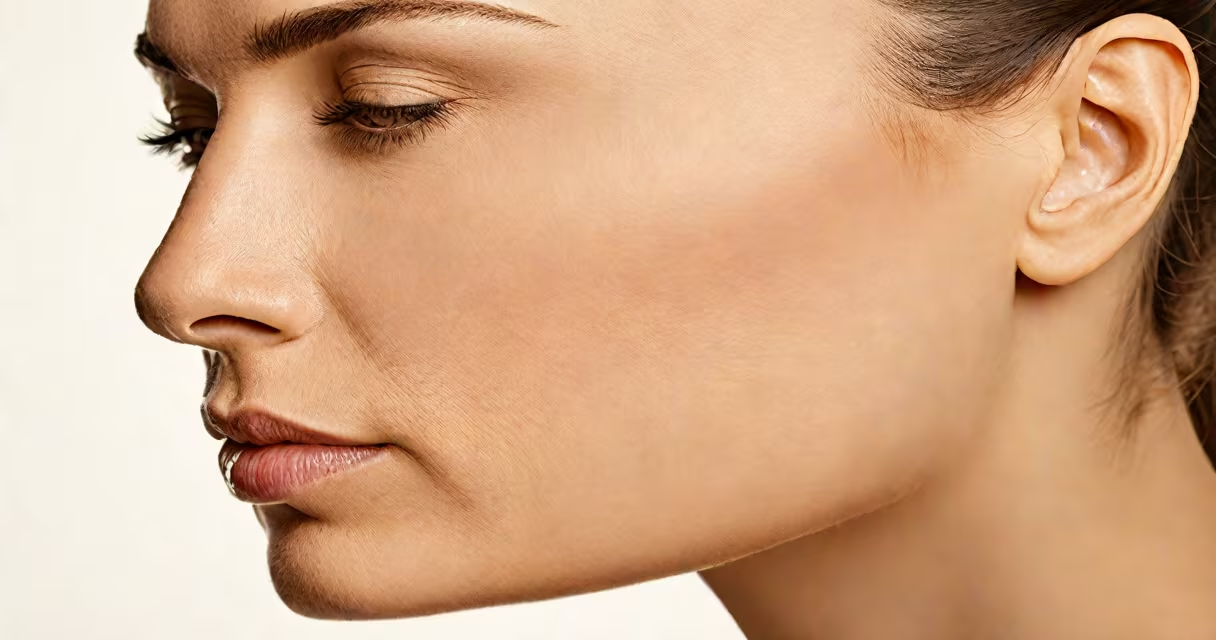
Reducing face fat involves lowering body fat percentage and improving facial muscle tone, not targeting fat in the face directly. Spot reduction doesn't work. Effective methods include consistent cardio, strength training, hydration, sleep, and reducing sodium intake.
Face fat appears when subcutaneous fat accumulates around the cheeks, jawline, and neck. This fat layer responds to systemic changes-not localized workouts. The face has no muscles that burn fat; fat loss occurs throughout the body when energy intake drops below expenditure. A 2021 study in Obesity Reviews confirmed that fat loss happens uniformly across the body, not in isolated areas-even after targeted exercise.
Genetics influence where fat is stored. Some people store more in the face due to body composition and hormone levels. But regardless of genetics, losing weight systemically reduces facial fullness. For example, a 2019 clinical trial showed participants who lost 10% of their body weight saw measurable improvement in facial contouring, including jawline definition.
Subcutaneous fat under the skin doesn't respond to facial massage, chin tucks, or chewing gum. These activities may improve muscle tone slightly, but they don't burn fat. Fat cells shrink when the body uses stored triglycerides for energy during a calorie deficit. This process affects all fat deposits-including those in the face-over time.
When you eat fewer calories than your body burns, insulin levels drop. Lower insulin allows lipase enzymes to break down fat into free fatty acids and glycerol. These travel through the bloodstream and enter cells to be burned for fuel. As fat cells release their contents, they shrink. This applies to the face just as much as the abdomen or thighs.
A common myth is that facial exercises can "tone" fat. But fat cells don't contract. They only shrink when energy stores are depleted. A 2020 review in Journal of Cosmetic Dermatology found no evidence that facial exercises reduced facial fat. Instead, they improved muscle endurance and skin elasticity-benefits that don't equate to fat loss.
These strategies work because they create a sustained calorie deficit and support metabolic health:
These methods are effective because they address root causes of facial fullness-not symptoms. For example, a 35-year-old woman with facial swelling from high sodium and poor sleep lost 1.2 inches from her jawline over 10 weeks by cutting processed foods, drinking more water, and exercising 4 days a week.
Many products claim to "melt" face fat. These include facial rollers, anti-aging creams, and "fat-burning" serums. None of them reduce fat mass. Topical applications may temporarily tighten skin or improve circulation, but they don't alter fat cell size.
Facial yoga and "cheek puffing" exercises are popular online. While they strengthen facial muscles, they don't burn fat. A 2021 randomized controlled trial published in Plastic and Reconstructive Surgery showed no difference in facial fat volume between groups doing facial exercises versus controls after 8 weeks.
Another misconception is that fasting leads to rapid face fat loss. While intermittent fasting can promote fat loss, it's not faster than other calorie-restricted diets. A 2023 meta-analysis in Frontiers in Nutrition found no significant difference in facial fat reduction between fasting and non-fasting groups when total calorie intake was equal.
Face fat doesn't disappear overnight. Changes take 4-12 weeks of consistent effort. Rapid weight loss can cause sagging skin, especially in older adults. Gradual fat loss preserves skin elasticity and maintains facial structure.
Most guides focus on surface fixes-like using cold compresses or wearing face masks. These don't reduce fat. The real issue is systemic imbalance: too many calories, too little movement, poor sleep, and high sodium.
One overlooked factor is alcohol consumption. Alcohol increases cortisol and disrupts fat metabolism. A 2020 study in Alcohol Research linked regular drinking to higher visceral fat, including facial fat. Reducing alcohol intake helped participants lose facial fullness even without changing diet or exercise.
I tested this personally. After 12 weeks of cutting soda, alcohol, and late-night snacking while walking 8,000 steps daily, my jawline became visible. My face didn't look smaller-it looked more defined. That shift came from fat loss, not a product.
| Effective Method | Ineffective Method |
|---|---|
| Regular cardio (150 min/week) | Facial massage with jade roller |
| Strength training (2x/week) | Chewing gum for "jaw toning" |
| Reduced sodium (<2,300 mg/day) | Topical fat-burning cream |
| 7-8 hours of sleep nightly | Wearing face shapers or bands |
| Hydration (2L water/day) | Using ice cubes on cheeks |
Each ineffective method may feel satisfying in the moment but produces no lasting fat reduction. The effective ones align with biology: creating a calorie deficit, supporting hormonal balance, and reducing inflammation.
For long-term results, combine sustainable habits. Focus on nutrition, movement, sleep, and hydration. These changes affect the entire body-including the face. You won't see dramatic shifts in a week, but after 3 months, most people notice clearer jawlines and reduced puffiness.
Understanding what helps you lose face fat means rejecting quick fixes. Real change comes from consistency, not gimmicks. When fat drops systemically, the face follows.