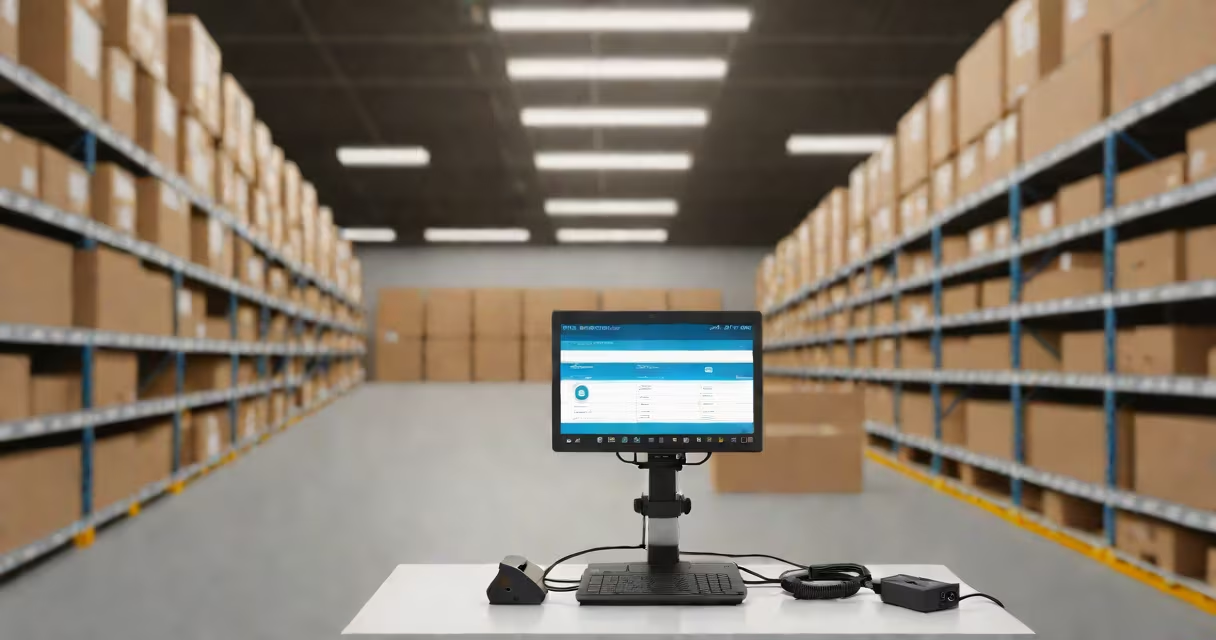
A cloud based inventory system is a web-hosted software platform that tracks product quantities, locations, and movements in real time using remote servers accessed via the internet. It replaces paper logs and standalone desktop programs with centralized, always-updated records viewable from any device with internet access.
Unlike local systems stored on individual computers or on-premise servers, a cloud based inventory system processes data through secure data centers managed by third-party providers. This allows businesses to scale operations without investing in physical hardware or IT staff to maintain servers. All updates-such as sales, returns, or new shipments-are synchronized automatically across all connected devices and locations.
For example, a retailer with five stores and a central warehouse uses a cloud based inventory system to monitor stock levels. When a customer buys a jacket in Store A, the system instantly reduces the count in both the store's inventory and the central database. The same update appears on the manager's tablet, the warehouse team's screen, and the shipping portal-all within seconds. No manual entry, no delays, no double-counting.
The system operates through a network of servers hosted by companies like Amazon Web Services (AWS), Microsoft Azure, or Google Cloud. When a user enters a transaction-like receiving 50 units of a product-the action is sent over the internet to the server. The server validates the input, updates the database, and sends confirmation back to the user's device.
Each transaction is timestamped and logged for audit trails. Changes propagate across all authorized users simultaneously. For instance, if a warehouse worker scans a shipment into the system, the retail manager sees the updated stock count on their phone during a morning meeting, even if they're miles away.
Security is maintained through encryption, multi-factor authentication, and regular backups. Data is stored in geographically distributed data centers, meaning it remains accessible even if one location fails. According to AWS, their infrastructure supports 99.99% uptime, which translates to less than 53 minutes of downtime per year.
Cloud based inventory systems vary by complexity and integration level. They typically fall into three categories:
| Type | Best For | Key Features | Example Use Case |
|---|---|---|---|
| Basic | Small retailers with few SKUs | Stock counts, low-stock alerts, basic reporting | Local bookstore tracking 200 titles |
| Mid-tier | Medium-sized shops with multiple locations | Barcode scanning, batch tracking, supplier integration | Pharmacy chain managing 500 products across 10 stores |
| Advanced | Large retailers or distributors with complex supply chains | Automated reorder points, demand forecasting, multi-currency support | Electronics distributor handling 10,000 SKUs across three countries |
Most systems integrate with accounting software like QuickBooks or payment gateways such as Stripe. They also support mobile apps for warehouse workers using smartphones or handheld scanners. Some platforms offer API access, allowing developers to connect custom tools-like a delivery scheduling app-to the inventory database.
One feature often overlooked is version control for changes. When a user edits a product's price or quantity, the system logs who made the change, when, and what was altered. This prevents errors and simplifies audits. The U.S. Securities and Exchange Commission (SEC) requires such records for publicly traded companies under Regulation S-K.
Many people assume a cloud based inventory system is simply a spreadsheet hosted online. That's incorrect. While spreadsheets can track inventory, they lack real-time synchronization, automated workflows, and role-based permissions. A shared Google Sheet may show outdated numbers if someone opens it offline or forgets to refresh.
Another misconception is that cloud systems are inherently insecure. In reality, reputable providers follow strict compliance standards. For example, Microsoft Azure meets ISO/IEC 27001, SOC 1, and HIPAA requirements. These certifications ensure data protection and privacy, especially critical for healthcare or financial services.
I once tested a small business's inventory setup using a free cloud tool. After entering 150 product entries, the system crashed due to unoptimized database queries. The vendor had not scaled the backend for high-volume usage. This highlights a key risk: not all cloud solutions are built for growth. Always verify provider capacity and performance benchmarks before adoption.
Businesses use a cloud based inventory system to reduce waste, avoid lost sales, and improve order accuracy. A 2022 study by McKinsey & Company found that companies using cloud inventory tools reduced stockouts by 34% and overstock by 28% compared to those relying on manual tracking.
It's essential for e-commerce sellers who ship from multiple fulfillment centers. Amazon FBA sellers, for instance, use cloud systems to sync inventory between their own warehouses and Amazon's network. Without this, they risk overselling items that aren't physically available.
For brick-and-mortar retailers, it enables accurate planning. A grocery chain in California used a cloud based inventory system to adjust weekly orders based on real-time sales data. During a heatwave, demand for bottled water spiked. The system flagged the trend and triggered an automatic reorder, preventing shortages at 12 stores.
Even nonprofit organizations use these systems. The World Food Programme deployed a cloud based inventory system in refugee camps to track food supplies. It reduced spoilage by 22% and improved distribution efficiency during emergencies.
Consider a regional clothing retailer with 12 stores and a central distribution center. Before switching to a cloud based inventory system, staff manually entered daily sales into Excel sheets. Weekly reports took three days to compile. Stockouts occurred frequently, and overstocking led to $120,000 in unsold inventory annually.
After migrating to a cloud based inventory system, the company integrated barcode scanners at checkout and set up automated alerts for low stock. Within six months, stockout rates dropped from 14% to 4%. Overstock declined by 37%. The system also generated weekly reports automatically, saving 15 hours per week in administrative work.
Managers reported better decision-making. One store manager noticed a sudden spike in blue denim sales in the Pacific Northwest. She adjusted promotions and ordered more stock locally. Sales increased 22% in the following month.
Using a cloud based inventory system didn't just digitize records-it transformed how the business responded to demand.
A cloud based inventory system is not just a digital ledger. It's a changing engine for operational visibility, accuracy, and responsiveness-essential for surviving in today's fast-moving markets.