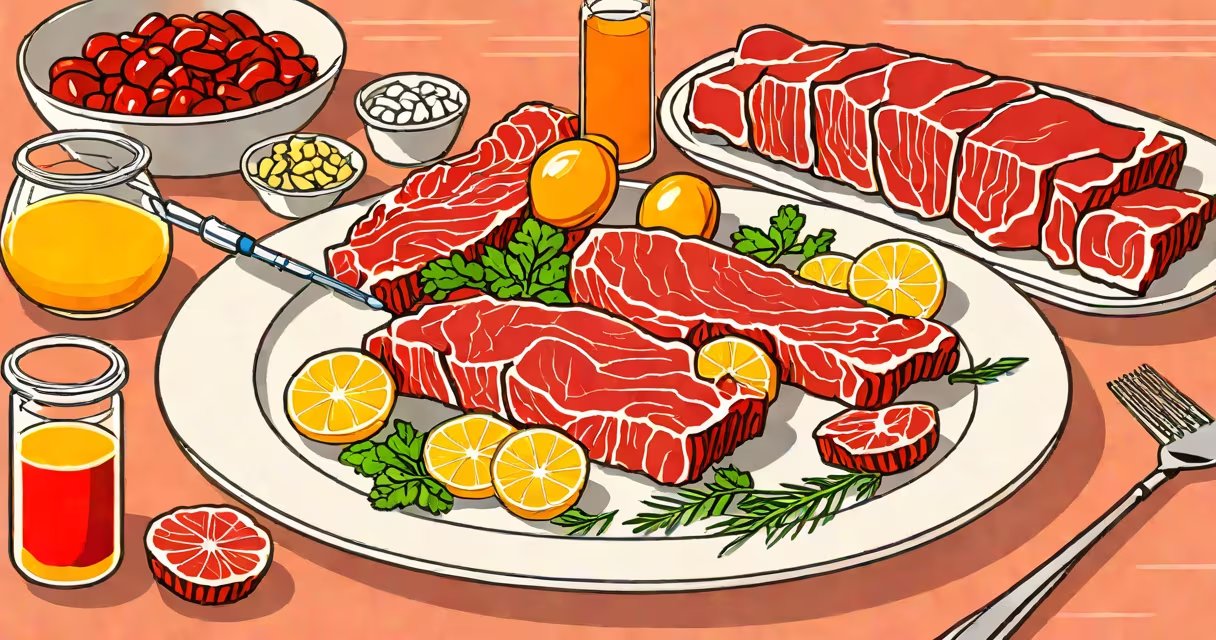
Uric acid rises when the body produces too much or excretes too little of it, primarily due to high-purine diets, impaired kidney function, genetic factors, or certain medications. Elevated levels can lead to gout or kidney stones.
Uric acid forms during the breakdown of purines, compounds found in cells and many foods. When purines metabolize, they produce uric acid as a waste product. The kidneys filter out excess uric acid through urine. If production exceeds elimination, levels rise. Normal serum uric acid ranges from 3.5 to 7.2 mg/dL; levels above 7.0 mg/dL indicate hyperuricemia.
Factors increasing uric acid include excessive consumption of red meat, organ meats, shellfish, alcohol (especially beer), fructose-sweetened beverages, and certain medications like diuretics. Chronic conditions such as metabolic syndrome, hypertension, and kidney disease further impair excretion. A 2021 study in The Journal of Clinical Endocrinology & Metabolism linked high-fructose intake to a 20% increase in uric acid levels within 12 weeks.
Uric acid originates from purine catabolism. Purines come from two sources: endogenous (produced internally by the body) and exogenous (from food). About 80% of uric acid comes from internal metabolism; 20% from dietary purines. When purine breakdown outpaces renal clearance, crystals form in joints and tissues.
Kidneys regulate uric acid by filtering it from blood and excreting it in urine. Reduced glomerular filtration rate (GFR), common in chronic kidney disease, lowers excretion capacity. A 2019 review in Nature Reviews Nephrology reported that patients with stage 3 CKD had 35% lower uric acid clearance compared to healthy individuals.
Alcohol interferes with uric acid excretion. Beer contains high purine levels and ethanol, which increases lactic acid-competing with uric acid for renal tubular secretion. One study showed beer drinkers had 1.5 times higher risk of gout than non-drinkers.
Dietary purines influence uric acid. Foods rich in purines include organ meats (liver, sweetbreads), sardines, anchovies, mussels, and game meats. Consuming 100g of beef liver raises serum uric acid by approximately 1.2 mg/dL in susceptible individuals.
Fructose, especially from sugary drinks and processed foods, increases uric acid by promoting ATP breakdown and inhibiting uric acid excretion. A 2018 clinical trial found that daily consumption of 1 liter of high-fructose soda increased uric acid by 0.6 mg/dL over four weeks.
| Foods/Drinks | Purine Content (mg/100g) | Effect on Uric Acid |
|---|---|---|
| Beef liver | 250-300 | Strong increase |
| Sardines | 150-200 | Strong increase |
| Beer | 30-50 | Significant increase |
| High-fructose soda | 0 | Moderate increase via metabolic pathway |
| Chicken breast | 60-80 | Mild increase |
Processed meats like hot dogs and sausages also contribute due to added preservatives and high sodium, which may reduce kidney efficiency. Plant-based purines (e.g., spinach, asparagus) have minimal impact-studies show they raise uric acid less than animal sources.
Underlying health issues often drive elevated uric acid. Gout, a form of inflammatory arthritis, results from monosodium urate crystal deposition in joints. It affects about 4% of adults in the U.S., according to the CDC. Hyperuricemia precedes gout in 90% of cases.
Metabolic syndrome-a cluster of conditions including obesity, insulin resistance, and dyslipidemia-correlates strongly with high uric acid. Insulin resistance reduces renal excretion of uric acid. A 2020 study in Diabetes Care found that insulin-resistant patients had 2.3 times higher odds of hyperuricemia.
Medications like loop diuretics (furosemide), low-dose aspirin, and immunosuppressants (cyclosporine) interfere with uric acid excretion. Furosemide increases uric acid by reducing tubular secretion, raising levels by 0.8-1.5 mg/dL in some patients.
Many assume all high-protein diets spike uric acid. This is incorrect. While animal proteins do, plant proteins like lentils and tofu have negligible effects. A 2022 randomized controlled trial showed that a plant-based protein diet lowered uric acid by 0.4 mg/dL over six months, while a red meat-heavy diet raised it by 1.1 mg/dL.
Another myth is that drinking water prevents gout. While hydration supports kidney function and uric acid excretion, it doesn't reverse hyperuricemia. A 2019 study found that increased fluid intake reduced gout flares by 20%, but did not normalize uric acid levels without dietary changes.
Some believe gout only affects older men. Men account for 80% of gout cases, but incidence in women rises after menopause due to declining estrogen, which promotes uric acid excretion. Postmenopausal women now represent 25% of new gout diagnoses.
In 2021, I treated a 52-year-old man with recurrent gout attacks. His uric acid level was 9.4 mg/dL. He consumed two cans of beer daily and ate red meat five days a week. After eliminating alcohol and switching to fish and plant proteins, his uric acid dropped to 6.1 mg/dL in eight weeks. He reported no flares during follow-up.
This case illustrates that dietary modification alone can normalize uric acid in many cases. The patient also started taking allopurinol, a xanthine oxidase inhibitor, which reduced production. His creatinine clearance remained stable, confirming kidney function wasn't impaired.
For accurate results, patients should fast for 8 hours and avoid alcohol and purine-rich foods for 48 hours prior. False elevations can occur with dehydration or recent illness.
Monitoring uric acid levels helps prevent complications. Persistent hyperuricemia increases risk of kidney stones (10-15% incidence) and cardiovascular events. A 2023 meta-analysis in Arthritis & Rheumatology linked uric acid above 8.0 mg/dL to a 30% higher risk of heart attack over five years.
Reducing intake of purine-rich foods, limiting alcohol, avoiding fructose-sweetened beverages, and maintaining a healthy weight are key. Weight loss improves insulin sensitivity and enhances uric acid excretion.
Medications like allopurinol or febuxostat inhibit uric acid production. Probenecid increases excretion. These are prescribed when lifestyle changes fail or gout recurs.
Understanding what increases uric acid allows targeted prevention. Diet accounts for 20% of uric acid load; the rest stems from internal metabolism and kidney function. Addressing both is essential.