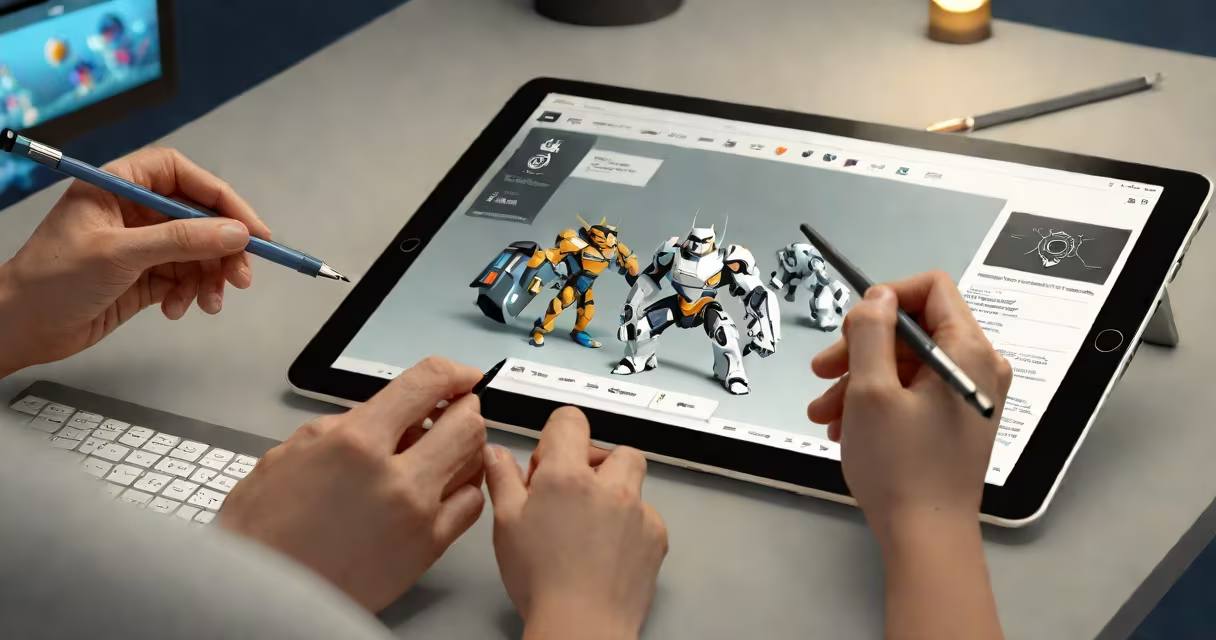
A digital illustrator is a professional who creates original artwork using digital tools such as graphic tablets, drawing software, and computers. Unlike traditional illustrators who use pencils, paints, or ink, digital illustrators produce images entirely within software environments, often delivering work optimized for web, print, or animation.
Digital illustration combines artistic skill with technical proficiency. Artists use programs like Adobe Photoshop, Procreate, or CorelDRAW to sketch, color, shade, and refine images. The output can be raster-based (pixel-dependent) or vector-based (mathematical shapes), depending on the intended use. This method allows for easy editing, layer management, and scalability without quality loss.
According to the U.S. Bureau of Labor Statistics, employment of fine artists, including illustrators, is projected to grow 3% from 2022 to 2032-about as fast as average. The rise of digital platforms, mobile apps, and online publishing has increased demand for visual content, making digital illustration a core part of modern creative workflows.
Digital illustration begins with a concept or brief. The artist translates ideas into visual form using digital tools. Most workflows start with a rough sketch on a tablet or touchscreen device, then progress through inking, coloring, shading, and final detailing-all within software.
Software features enable precision and flexibility. Layers allow separate handling of lines, colors, textures, and effects. Undo history supports experimentation. Brush engines simulate real-world materials-ink, watercolor, charcoal-while offering adjustable pressure sensitivity and blending modes.
For example, a digital illustrator designing a book cover for a fantasy novel might begin with a pencil sketch on a Wacom tablet. They import the sketch into Procreate, trace over it with clean lines, assign base colors, and apply gradients and highlights. After refining shadows and lighting, they export the file in high-resolution PNG and PDF formats for print and web use.
Digital illustration falls into two primary categories based on image structure: raster and vector. Each serves different purposes and requires distinct software approaches.
| Type | Best For | Common Software | File Format Examples |
|---|---|---|---|
| Raster (Pixel-Based) | Photos, detailed artwork, textures, photo manipulation | Adobe Photoshop, Procreate, Krita | JPG, PNG, TIFF |
| Vector (Math-Based) | Logos, icons, scalable graphics, animations | Adobe Illustrator, Affinity Designer, Inkscape | SVG, EPS, AI |
Many digital illustrators switch between both formats during a project. A character design might start as a raster sketch for expressive detail, then be converted to vector for clean line art suitable for merchandise or app icons.
One key distinction often missed: raster images lose quality when scaled up, while vectors maintain sharpness at any size. A logo designed in vector format can be printed on a business card or a 20-foot banner without blurring.
Digital illustrations appear everywhere in modern life. They power book covers, video game assets, animated series, advertising campaigns, social media posts, and website interfaces. The global digital art market was valued at $1.8 billion in 2023, according to Statista, driven largely by demand for custom visuals in branding and entertainment.
For instance, a digital illustrator working with a children's book publisher may create 36 unique scenes for a story about a talking cat. Each scene is drawn in Procreate, colored with layered brushes, and adjusted for consistent lighting and style. These files are delivered as high-res PNGs for print and low-res versions for e-book integration.
Another common use is in video games. Game studios hire digital illustrators to design characters, environments, and UI elements. A single character might go through 12 iterations before final approval. The artist uses Photoshop to experiment with poses, expressions, and color palettes, then exports sprites for animation.
People often mistake digital illustration for digital painting or photo editing. While related, they differ in intent and process. Digital painting mimics traditional techniques-oil, acrylic, pastel-but focuses on aesthetic expression. Photo editing alters existing images, often for retouching or compositing. Digital illustration, by contrast, generates original compositions from imagination or concept.
A frequent error is assuming all digital art is created with AI tools. While AI-assisted tools like MidJourney or DALL·E exist, they generate images based on prompts rather than following a deliberate artistic workflow. A true digital illustrator controls every stage-from initial sketch to final render-using manual input and creative judgment.
One non-obvious fact: many digital illustrators still use physical reference materials. I once watched a freelance illustrator in Portland spend two hours photographing a dog's ear from multiple angles before digitally recreating it in a fantasy creature portrait. The final piece had a realistic texture that only came from observing real anatomy.
Another correction: digital illustration is not inherently faster than traditional methods. Some projects take longer due to software complexity, file management, and client revisions. A well-executed digital illustration can require 40+ hours of focused work, especially when meeting tight deadlines or high-quality standards.
Beginners can start with free or low-cost tools. Krita offers professional-grade features for free on Windows, macOS, and Linux. Procreate is available exclusively on iPad and costs $12.99. Both support pressure-sensitive styluses and offer tutorials for new users.
Building a portfolio is essential. A strong sample set includes diverse styles, clear subject matter, and evidence of problem-solving-such as adapting artwork for different formats or audiences. Many successful illustrators began by sharing work on platforms like ArtStation, DeviantArt, or Instagram.
A digital illustrator is not defined by the tools they use, but by their ability to communicate ideas visually through intentional design choices. Whether creating whimsical book covers or serious infographics, their work shapes how audiences see and understand stories, messages, and brands.
Understanding what is a digital illustrator reveals a profession grounded in creativity, discipline, and adaptability. As digital platforms continue to evolve, so too does the role-and impact-of the digital illustrator in shaping visual culture.