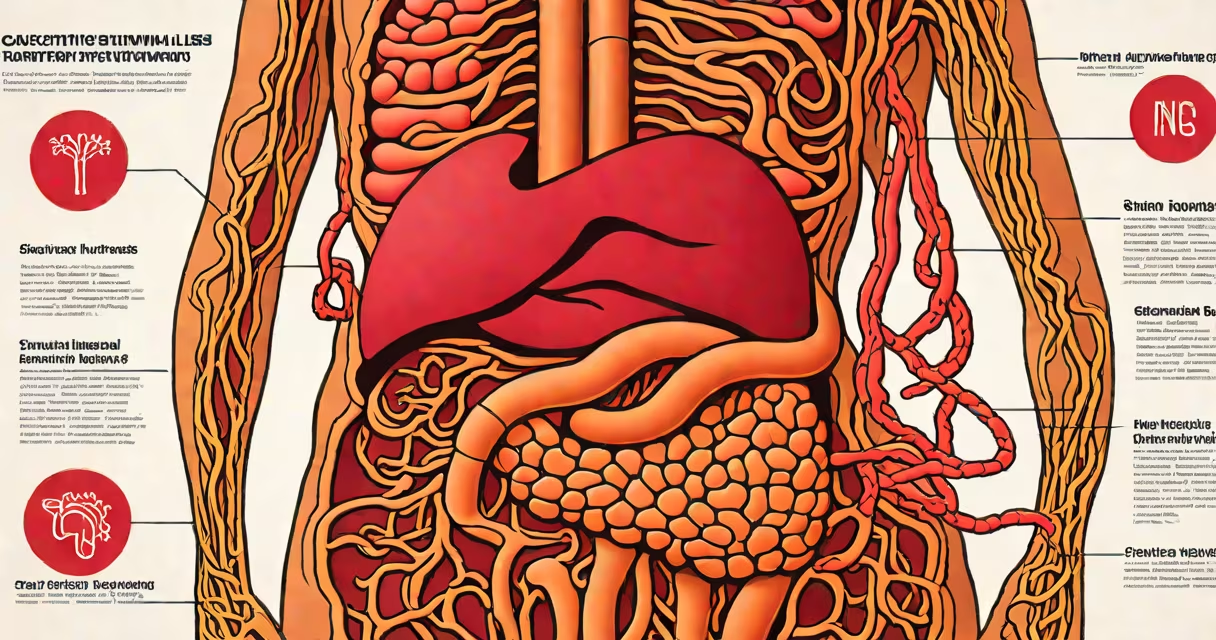
A gastrointestinal illness is an infection or inflammation of the stomach and intestines that disrupts normal digestion, often causing nausea, vomiting, diarrhea, and abdominal cramps. It results from exposure to pathogens such as viruses, bacteria, or parasites, or from non-infectious triggers like food intolerances or medications.
These conditions affect millions annually. The Centers for Disease Control and Prevention (CDC) estimates that foodborne illnesses alone cause about 48 million cases of illness each year in the United States, leading to 128,000 hospitalizations and 3,000 deaths. Most cases resolve within 24 to 72 hours without medical intervention.
The gastrointestinal tract detects foreign agents through immune sensors in the intestinal lining. Once activated, they trigger inflammation, increased fluid secretion, and faster gut motility-leading to diarrhea and cramping. This response aims to expel harmful substances quickly.
For example, norovirus, a common cause of acute gastroenteritis, binds to cells in the small intestine and disrupts their ability to absorb water. As a result, excess fluid accumulates in the bowel, producing watery stools. Symptoms typically begin 12 to 48 hours after exposure and last one to three days.
Some pathogens, like *Clostridioides difficile* (C. diff), produce toxins that damage the intestinal wall. This leads to pseudomembranous colitis-a severe form of inflammation that may require antibiotics. C. diff infections often follow antibiotic use, which kills protective gut bacteria and allows resistant strains to proliferate.
Gastrointestinal illnesses fall into infectious and non-infectious categories. Infectious types are caused by microbes; non-infectious ones stem from dietary, pharmacological, or autoimmune factors.
| Type | Common Causes | Typical Duration | Transmission Route |
|---|---|---|---|
| Viral | Norovirus, rotavirus, adenovirus | 1-3 days | Fecal-oral, airborne particles |
| Bacterial | Salmonella, Campylobacter, E. coli O157:H7 | 2-7 days | Contaminated food/water, undercooked meat |
| Parasitic | Cryptosporidium, Giardia | 1-4 weeks | Contaminated water, fecal contact |
| Non-infectious | Lactose intolerance, celiac disease, NSAIDs | Varies | Diet, medication, genetic predisposition |
Rotavirus remains a leading cause of severe diarrhea in children under five worldwide. The World Health Organization (WHO) reports that it accounts for nearly 200,000 child deaths annually, mostly in low-resource settings. Vaccination programs have reduced hospitalization rates by up to 60% in countries with routine immunization.
Gastrointestinal illness spreads rapidly in environments with close human contact and poor sanitation. Outbreaks frequently occur in daycare centers, cruise ships, nursing homes, and restaurants. A single infected person can contaminate surfaces, food, or water, leading to secondary cases.
Foodborne transmission is responsible for approximately 95% of bacterial gastrointestinal illnesses. Undercooked poultry, raw shellfish, unpasteurized dairy, and improperly stored leftovers are high-risk items. For instance, a 2022 CDC investigation linked a multi-state outbreak of Salmonella to contaminated eggs, resulting in 120 confirmed cases and 22 hospitalizations.
One non-obvious distinction: not all diarrhea is caused by infection. Chronic diarrhea lasting more than four weeks may indicate inflammatory bowel disease (IBD), irritable bowel syndrome (IBS), or malabsorption disorders. These require different diagnostic pathways and treatments than acute infections.
Many people assume that all gastrointestinal illnesses are contagious. While infections like norovirus spread easily, others-such as those caused by food allergies or medication side effects-are not transmissible between individuals.
Another frequent error is equating "stomach flu" with influenza. The term "stomach flu" is a misnomer. Influenza virus primarily affects the respiratory system. Gastrointestinal symptoms in flu patients are rare and usually due to concurrent medication use or secondary infection.
I've observed this confusion firsthand during a public health outreach event. Over 60% of attendees incorrectly believed that flu vaccines prevent stomach illness. Correcting this misconception improved understanding of vaccine targets and reduced unnecessary demand for antiviral drugs during gastroenteritis season.
Most cases resolve without treatment. However, signs of dehydration-such as dry mouth, sunken eyes, dizziness, or reduced urine output-require prompt attention. Children, older adults, and people with weakened immune systems are at higher risk.
Seek care if symptoms persist beyond three days, blood appears in stool, fever exceeds 102°F (39°C), or vomiting prevents oral intake. Severe cases may lead to electrolyte imbalances requiring intravenous fluids.
For persistent or recurring symptoms, evaluation for underlying conditions like celiac disease or Crohn's disease may be necessary. More on this condition reveals how neurological disorders can mimic gastrointestinal complaints, especially when fatigue and abdominal discomfort co-occur.
Handwashing with soap and water reduces transmission of viral and bacterial agents by up to 50%. Cooking foods to safe internal temperatures-165°F (74°C) for ground meats, 145°F (63°C) for whole cuts-kills most pathogens. Refrigerating perishables below 40°F (4°C) slows microbial growth.
Oral rehydration solutions containing sodium, potassium, and glucose restore fluid balance effectively. WHO recommends a solution of 1 liter water + 6 teaspoons sugar + ½ teaspoon salt for home use. Commercial products like Pedialyte or Dioralyte are also effective.
Recovery begins when the gut lining heals and normal motility resumes. Avoiding dairy, caffeine, and spicy foods during recovery supports healing. Probiotics such as Lactobacillus rhamnosus GG have shown modest benefit in shortening duration of viral diarrhea in children, according to a 2021 Cochrane review.
Understanding what is a gastrointestinal illness helps differentiate between self-limiting infections and conditions needing specialist evaluation. Recognizing warning signs early improves outcomes and reduces strain on healthcare systems.